
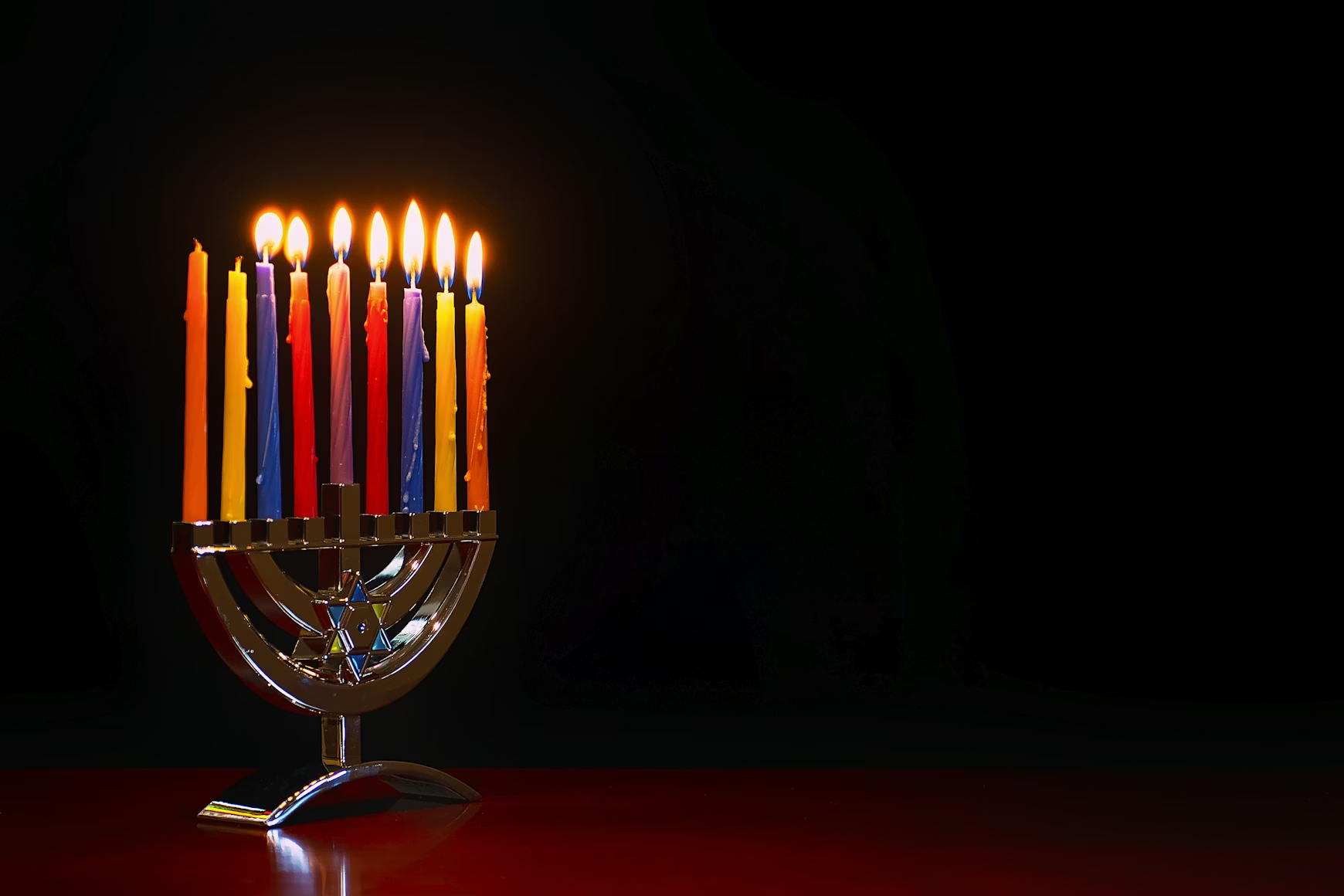
On the first night of Hanukkah, a holiday celebrating light triumphing over darkness, the sun-kissed sands of Bondi Beach in Sydney, Australia, became a scene of unimaginable horror. What began as a joyous “Chanukah by the Sea” gathering organized by the local Chabad-Lubavitch community and attended by thousands of families, children, and elders descended into chaos on December 14, 2025, when two gunmen unleashed a barrage of gunfire on the crowd. Fifteen people were killed, including a beloved rabbi, a 10-year-old girl, and a Holocaust survivor, in what Australian Prime Minister Anthony Albanese described as an “act of antisemitic terrorism.” Dozens more were injured, turning a symbol of Jewish resilience into a stark reminder of rising hatred.
The Attack Unfolds
The event kicked off at 5:30 p.m. local time, with families lighting menorahs, enjoying music, and sharing sufganiyot under the summer sky. By 6:45 p.m., as the first candles flickered, the air filled with the “loud, pounding shooting all over the place,” as one witness later recounted. Two assailants—father Sajid Akram, 50, and his son Naveed, 24—opened fire indiscriminately, targeting the Jewish celebrants. Screams echoed across the beach as attendees dropped to the sand, some using their bodies as shields for loved ones.
Chavi Block, a 27-year-old high school teacher cradling a friend’s baby, described the terror: “Bullets flying above us… I acted as a human shield.” She lost three friends in the attack but stayed to protect the children amid the pandemonium. Another bystander, 43-year-old fruit shop owner Ahmed al Ahmed, emerged as an unlikely hero. Driven by “conscience and humanity,” he charged one gunman, wrestling away a long rifle before being shot in the shoulder and hand by the accomplice. His bravery allowed others to flee, and he was later visited by New South Wales Premier Chris Minns in the hospital, where his condition stabilized.
Law enforcement responded swiftly. The gunmen retreated to an elevated bridge, where police engaged them in a shootout. Sajid Akram was killed at the scene, while his son, critically wounded, remains hospitalized and under investigation. Authorities confirmed the pair had prepared from a short-term rental near the beach; Sajid, an Australian resident since 1998 and a licensed gun owner with six registered firearms, was part of a local gun club.
A Community Shattered: Remembering the Victims
The toll was devastating, marking Australia’s deadliest shooting in three decades. Among the dead:
Rabbi Eli Schlanger, 41: The assistant rabbi of Chabad of Bondi, who organized the event itself. A devoted emissary and chaplain, he built the local Jewish community and died “doing what he loved,” his family said. Just a year prior, he had danced through Sydney streets with a portable menorah, urging Jews to “be more Jewish” in the face of hate.
Matilda, 10: The youngest victim, remembered as “bright, joyful, and spirited” by her family.
Alex Kleytman: A Holocaust survivor attending with his grandchildren for their annual tradition.
Tibor Weitzen, 78: Known as the “Lollypop Man” for his kindness to children in the Chabad community; he was identified by his first-responder grandson after shielding others.
Marika Pogany, 82: A volunteer who delivered over 12,000 kosher meals to the elderly.
Dan Elkayam, 27: A talented French soccer player for a Sydney club.
Rabbi Yaakov Levitan: Secretary of the Sydney Beth Din and a key Chabad coordinator.
Peter Meagher: A retired NSW police detective and photographer on assignment.
Reuven Morrison: A beloved businessman splitting time between Melbourne and Sydney.
Other victims included a retired police officer and a Slovakian national. Vigils overflowed the next day, with over 1,000 people laying flowers at Bondi Pavilion and forming lines to donate blood, some waiting seven hours. “We’re still in pain,” said Rabbi Chaim Hildeshaim of Ontario’s Chabad, who knew two victims personally.
Roots in Extremism and a Surge in Hate
The Akram duo pledged allegiance to the Islamic State, driven by “extremist ideology,” though not part of a larger cell. Naveed had come to authorities’ attention in 2019 over loose ties to an IS-linked group in Sydney, but was deemed no ongoing threat. Sajid, originally from an unspecified country, had arrived on a student visa and held a recreational firearms license—highlighting gaps in Australia’s strict gun laws, where over four million weapons are in civilian hands despite post-1996 reforms.
This tragedy unfolds against a backdrop of escalating antisemitism in Australia. Incidents tripled after the October 7, 2023, attacks in Israel, from verbal abuse and graffiti to synagogue arsons and genocidal chants at protests. Bondi attendance had doubled in recent years as a defiant stand against fear. “Enough with this antisemitic violence!” Pope Leo XIV implored, calling for an end to hatred. Israel’s Prime Minister Benjamin Netanyahu urged Australia to confront the threat, while Albanese blamed external influences like Iran for prior attacks and severed diplomatic ties with Tehran.
A Flicker of Light Amid the Darkness
As memorials lit menorahs on the bloodied sands, survivors vowed resilience. State Emergency Services chaplain Vlad, who shielded his 8-year-old son, plans to light the candles he bought at the event: “To keep the show going… we are not afraid.” Rabbi Schlanger’s message endures, dance through the hate, amplify the light.
Australia now grapples with tougher gun laws on the horizon and a renewed fight against bigotry. In a nation where mass shootings are rare, this Hanukkah will be etched in sorrow, but the Jewish community’s unyielding spirit ensures the flames of hope burn brighter. As one mourner put it: In the face of bullets, we choose candles.
Significant Religious Attacks in the United States and Globally
The Bondi Junction attack exists within a longer history of violence that intersects with religion, identity, and sacred time. History shows that such incidents often reshape public fear and political response, even when religion is not the sole motivation.
Significant Religious Attacks in the United States
Tree of Life Synagogue, Pittsburgh (2018): Eleven worshippers were killed during Shabbat services, making it the deadliest attack on Jewish people in U.S. history.
Mother Emanuel AME Church, Charleston (2015): Nine people were killed during a Bible study in a racially and religiously motivated attack.
Poway Synagogue, California (2019): A shooting during Passover services killed one person and injured others.
Significant Religious Attacks Globally
Mumbai attacks, India (2008): Coordinated attacks targeted multiple locations, including a Jewish center, killing more than 160 people.
Christchurch mosque shootings, New Zealand (2019): Attacks on two mosques during Friday prayers killed 51 people.
Easter bombings, Sri Lanka (2019): Coordinated bombings of churches and hotels during Easter celebrations killed over 250 people.
As outlined in Stanford University’s historical analysis of religious conflict, religion often functions as a marker of identity rather than the root cause of violence. Political grievance, social alienation, and personal instability frequently intersect with religious symbolism, especially during moments of public observance.
Terrorism in the United States and Government Response
Not all acts of mass violence meet the legal definition of terrorism. In the Bondi Junction case, authorities emphasized that the incident involved individuals acting independently, with no confirmed ideological affiliation. Still, the emotional response from the public often mirrors reactions to terrorism because the psychological impact feels similar.
In the United States, counterterrorism policy has evolved through decades of domestic and international threats. Government action includes intelligence coordination, law enforcement monitoring, and international reporting on threats to religious freedom. The U.S. Department of State’s International Religious Freedom Reports document violence, discrimination, and government responses affecting religious practice worldwide.
Oversight bodies stress restraint. The U.S. Commission on International Religious Freedom’s 2025 Annual Report warns that protecting security must not come at the expense of religious liberty or equal treatment. Policies shaped by fear risk reinforcing division if they blur the line between individual violence and collective identity.
Democratic governments face a constant challenge: responding decisively to violence while ensuring that fear does not become the basis for policy.
Psychological Impact and the Spread of Fear
The harm caused by violence does not end when the scene is secured. Research published in the National Institutes of Health database shows that exposure to mass violence can lead to long-term anxiety, post-traumatic stress, and social withdrawal, even among those not directly harmed.
When attacks occur during sacred time, the psychological effect is intensified. People reassess where they gather, how visible they are, and whether ordinary routines remain safe. Religious observance, public celebrations, and communal life may quietly shrink as fear reshapes behavior.
Fear becomes most dangerous when it hardens into suspicion. History shows that societies recovering from violence sometimes search for simple explanations rooted in identity rather than complexity. That instinct, while human, often deepens division and increases the risk of future harm.
Empathy, Memory, and Prevention
The people killed in the Bondi Junction attack were not symbols or statistics. They were individuals whose lives ended suddenly, leaving families, friends, and communities permanently changed. Their loss deserves remembrance grounded in empathy, not abstraction.
Violence during Hanukkah carries particular emotional weight because the holiday itself is about endurance, light, and survival. The tragedy underscores how fragile peace can be, even in open societies that value freedom and public life.
Division between religions does not originate in faith. It grows when fear replaces understanding and when violence is allowed to define entire communities rather than individual actions. Preventing future tragedies requires more than policing. It requires education, mental health support, responsible leadership, and a collective refusal to let grief harden into hatred.
Democracies are judged not only by how they stop violence, but by how they care for those who suffer and how they preserve dignity in the aftermath. Remembering the victims of Bondi Junction means choosing empathy over fear, and humanity over division.
References:
NSW Government. Bondi Junction Attack
Stanford University. The History of Religious Conflict
National Institutes of Health. Psychological Impact of Mass Violence
U.S. Department of State. International Religious Freedom Reports
U.S. Commission on International Religious Freedom. 2025 USCIRF Annual Report
Chabad.org. Terror Attack at Chanukah Event at Bondi Beach in Sydney.
BBC News. Bondi Beach: Witnesses recall ‘bullets flying’ as victims remembered.
National Catholic Reporter. ‘Enough’ of antisemitic violence, say pope, bishops after Bondi Beach attack.
- Five Myths About States Banning ICE From Polling Places - October 12, 2026
- The Secret Ballot Is Newer Than You Think, and It Took a Body Count to Get Here - October 6, 2026
- Why Is Election Day Always a Tuesday in November? - September 4, 2026