

The 2026 U.S. primary elections mark the opening stage of the American midterm election cycle. Before voters decide which party will control Congress, political parties must first select their candidates through statewide primary contests.
These primaries determine which candidates will appear on the November 2026 general election ballot, where voters will elect members of the U.S. House of Representatives and the U.S. Senate. The results will help shape the balance of power in Washington for the next congressional term.
Because each state schedules its own primary election date, results emerge gradually throughout the year. Early outcomes often reveal voter enthusiasm, highlight emerging political figures, and signal which races may become the most competitive in the general election.
Major outlets are tracking these developments through national election dashboards such as the Associated Press Elections Hub, which provides ongoing coverage of congressional races, political developments, and primary results across the country.
What Are the 2026 U.S. Primary Elections?
Primary elections are internal party contests that determine who will represent each political party in the general election.
Candidates from the same party compete against one another. The winner becomes the party’s official nominee for the November election.
Different states use different primary systems:
Open primaries, where voters can choose which party’s primary to participate in
Closed primaries, where only registered party members may vote
Hybrid systems, where rules vary depending on state election law
These procedures are part of the broader U.S. election framework. A detailed explanation of how primaries fit into the election cycle is provided in the academic guide 2026 Elections Research Guide published by Bentley University.
Understanding this process helps explain why election coverage often begins months before the general election.
Early Results From the 2026 U.S. Primary Elections
The 2026 primary election season has already begun in several states, producing the first results of the midterm cycle.
Because primaries take place at different times across the country, results appear gradually rather than on a single national election day. Each state’s outcome contributes to the evolving political picture leading into November.
One of the most widely used national dashboards for monitoring these races is the Associated Press 2026 U.S. Election Results Tracker, which updates results in real time as votes are counted and races are called.
The tracker includes:
Primary results for Senate races
Results for House of Representatives contests
Vote percentages and race projections
Updates as additional states report results
These early results help analysts identify competitive races and potential shifts in political momentum.
Key Races to Watch in the 2026 Primaries

Several congressional races are drawing national attention because they could influence which party controls Congress after the midterm elections.
Senate Contests
The U.S. Senate elections are particularly significant because relatively small shifts in seats can change control of the chamber.
Political analysts are closely monitoring primaries in states such as:
Texas
North Carolina
Michigan
Montana
These races may determine which candidates advance to highly competitive general election campaigns later in the year.
National coverage of these developments is also being tracked through NBC News 2026 Primary Elections Coverage, which reports on candidate announcements, polling, and early primary outcomes.
House of Representatives Races
While Senate races often dominate national headlines, the battle for control of the House of Representatives involves hundreds of local races.
All 435 seats in the House will be contested during the 2026 midterm elections.
Primary elections will determine the Democratic and Republican nominees in every congressional district.
Several trends are already emerging from early House primaries:
challengers running against incumbent lawmakers
new candidates entering politics for the first time
strong local issues influencing voter preferences
These district level races ultimately combine to determine which party holds the majority in Congress.
Why Primary Elections Matter
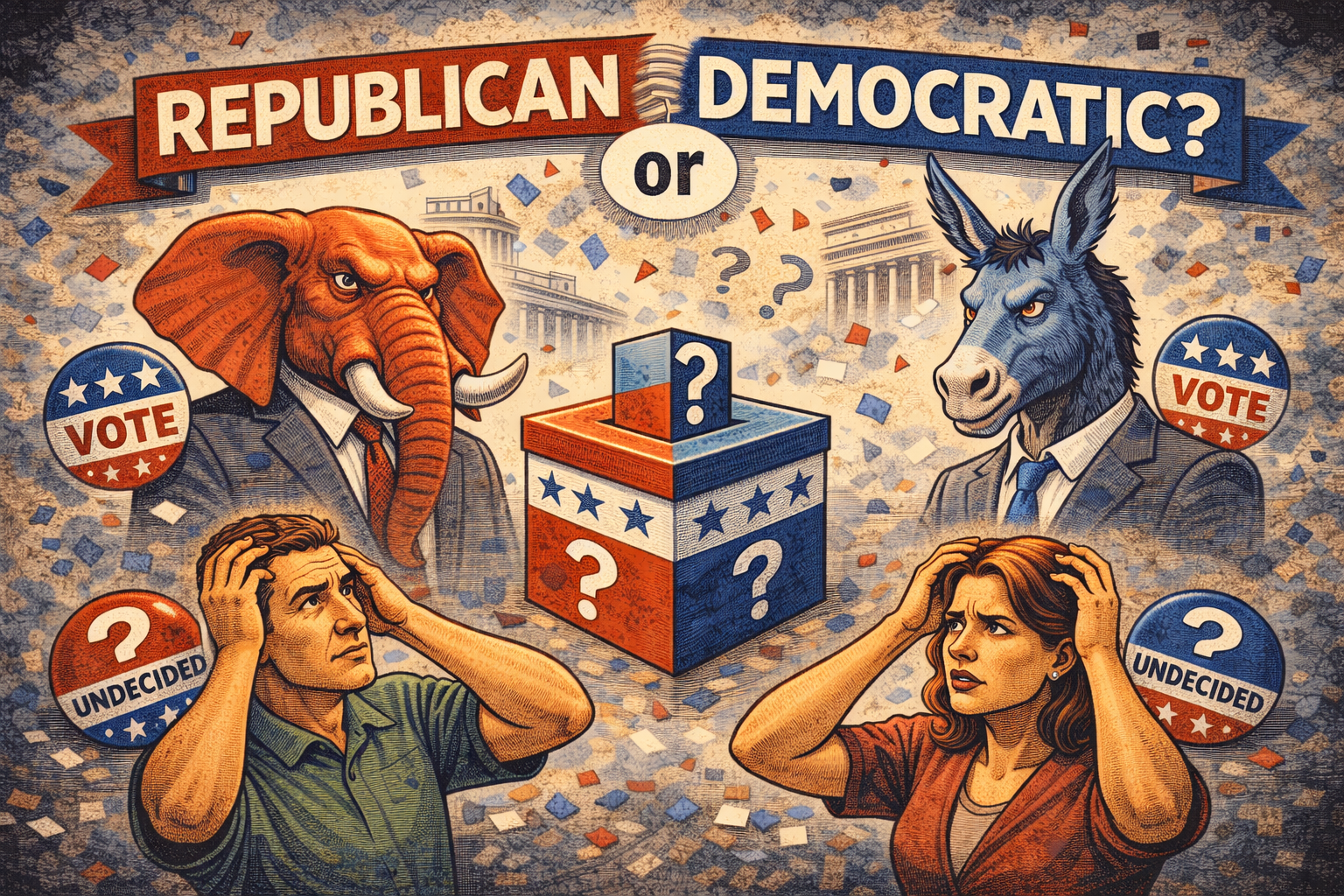
Primary elections provide more than candidate selection. They also offer insight into the national political climate.
Voter Engagement
High turnout during primaries can indicate strong political interest and may signal high participation in the general election.
Party Direction
Primary contests often reveal internal divisions within parties. Competing ideological factions may shape party platforms and campaign strategies.
Campaign Momentum
Winning a primary can elevate a candidate’s national visibility and attract media attention and fundraising support.
For political analysts, primary outcomes serve as an early indicator of broader electoral trends.
The Timeline of the 2026 Election Cycle
The 2026 election cycle unfolds over several months.
States hold primary elections throughout the year as parties finalize their nominees.
The timeline generally includes:
early state primaries in the first half of the year
additional primaries during the summer months
final party nominations before the fall campaign season
The general election will take place on November 3, 2026, when voters will decide which candidates will serve in Congress for the next legislative term.
2026 U.S. Election Results So Far
Although the 2026 U.S. general election results will not be finalized until voters cast ballots on November 3, 2026, early results from the primary stage are already shaping the midterm landscape.
Primary election results determine which candidates will appear on the general election ballot. As states continue holding primaries throughout the year, the list of nominees for the U.S. House and U.S. Senate will gradually take shape.
Readers who want to track the latest vote totals and race calls can follow the official results dashboard provided by the Associated Press 2026 U.S. Election Results Tracker, which updates results as votes are counted across the country.
These early primary outcomes provide the first signals of which races may become the most competitive during the November midterm elections.
Primaries reveal the candidates, issues, and campaign strategies that will shape the national debate during the midterm elections.
For readers who want a deeper overview of the stakes in this election cycle, read How Are You Preparing for the 2026 U.S. Midterm Elections? Why This Vote Matters More Than You Think.
References:
NBC News. 2026 Primary Elections Coverage
Associated Press. Elections Hub
Associated Press. 2026 U.S. Election Results Tracker
Bentley University Library. 2026 Elections Research Guide

- Five Myths About How the Electoral College Actually Works - September 29, 2026
- Why Does the President’s Party Almost Always Lose Seats in the Midterms? - September 9, 2026
- Why Is Congress Racing to Fund the Government Before the Midterms? - August 31, 2026