
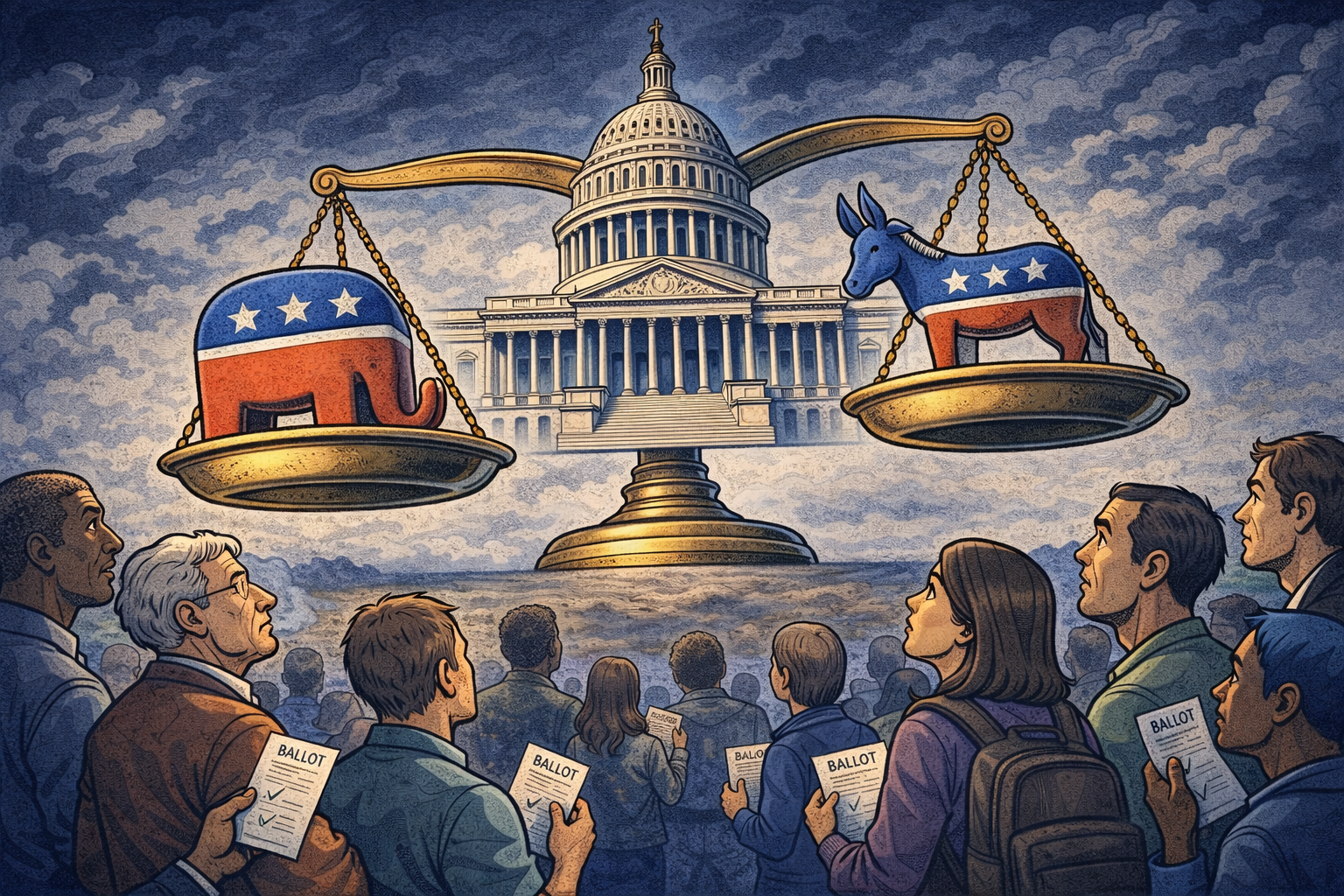
The 2026 U.S. midterm elections are fast approaching, and while they may not carry the spectacle of a presidential race, they carry enormous institutional weight. Every seat in the U.S. House of Representatives and roughly one-third of the U.S. Senate will be decided. Governors, state legislators, and local officials will also face voters across the country.
Midterms function as a structural checkpoint in American democracy. They determine whether a sitting president governs with congressional alignment or faces divided government. They influence federal spending, judicial confirmations, oversight authority, and legislative feasibility.
The question is not simply who will win in 2026. The deeper question is whether voters fully understand what is at stake.
What Are the 2026 U.S. Midterm Elections?
According to USA.gov’s Midterm Elections guide, midterm elections occur two years after a presidential election. In 2026, Americans will vote for:
All 435 members of the House of Representatives
Approximately one-third of the U.S. Senate
Numerous governors
State legislative chambers
Local offices
As explained by the U.S. Vote Foundation’s overview of when the 2026 midterm elections occur and their purpose, these elections are built into the constitutional system to allow voters to recalibrate representation during a president’s term.
They are not secondary elections. They are structural elections.
Why History Suggests 2026 Could Shift Power
Political history offers valuable context. In Brookings Institution’s analysis of what history tells us about the 2026 midterm elections, scholars highlight a consistent pattern: the president’s party often loses seats in midterm elections.
Several structural factors explain this trend:
Voter fatigue following presidential elections
Mobilization differences between parties
Public reaction to economic conditions
Presidential approval ratings
Intensity of opposition turnout
For example, midterm cycles in modern history have frequently resulted in significant congressional seat shifts. While outcomes vary, the pattern of power correction is deeply embedded in American political behavior.
This suggests that the 2026 U.S. midterm elections may once again become a referendum on the sitting administration.
Control of Congress: The Real Stakes
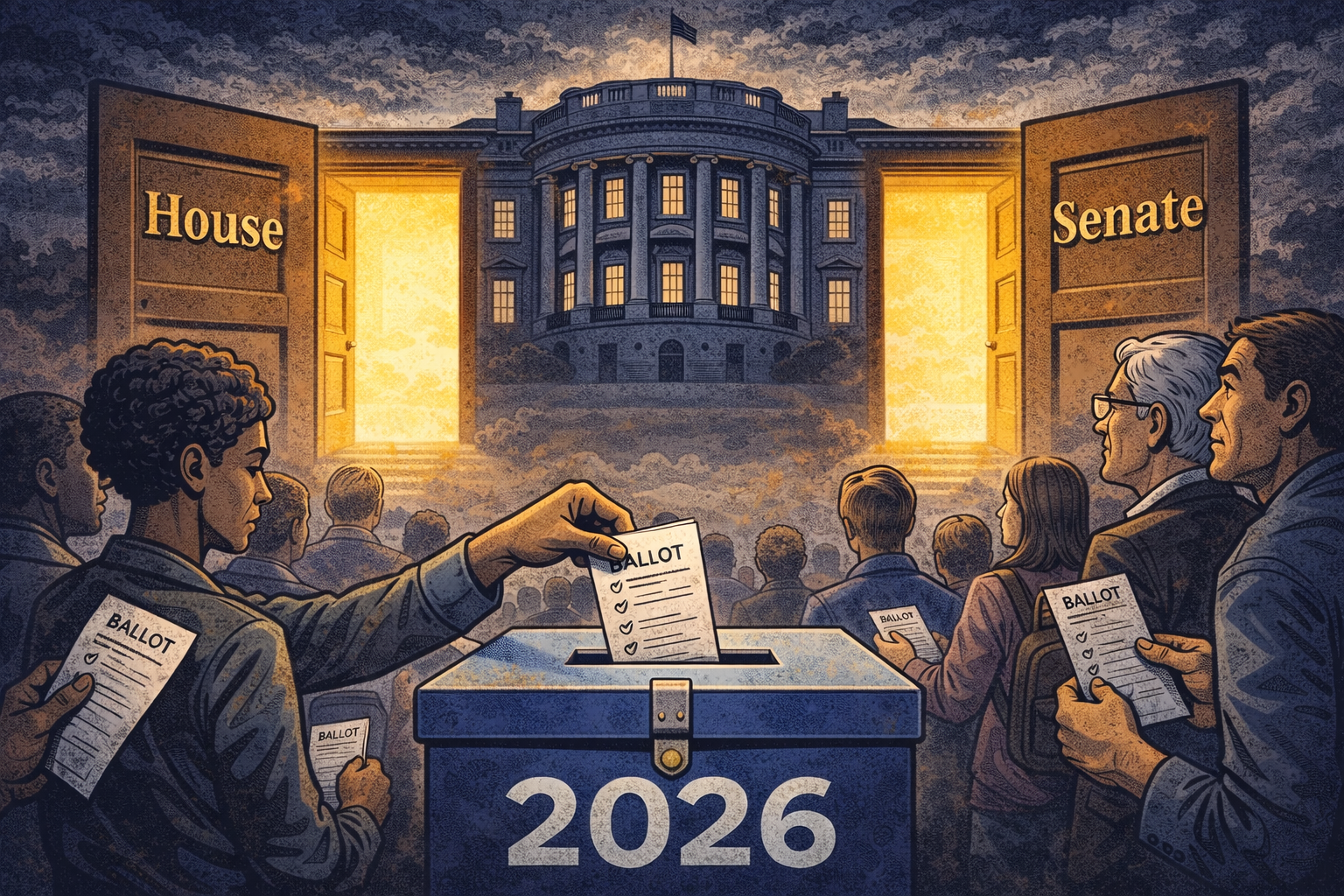
The most immediate consequence of the 2026 U.S. midterm elections will be control of the House and Senate.
The House of Representatives
The House controls:
Initiation of revenue and spending bills
Federal budget negotiations
Oversight investigations
Impeachment proceedings
A shift of only a few seats can determine majority control.
The Senate
The Senate controls:
Confirmation of federal judges
Approval of executive nominees
Ratification of treaties
Influence over major legislation
In tightly divided chambers, even one or two seats can shift the legislative balance.
When voters head to the polls in 2026, they are not only selecting representatives. They are determining whether Congress aligns with or opposes the president’s agenda.
Key Issues Likely to Define the 2026 Cycle
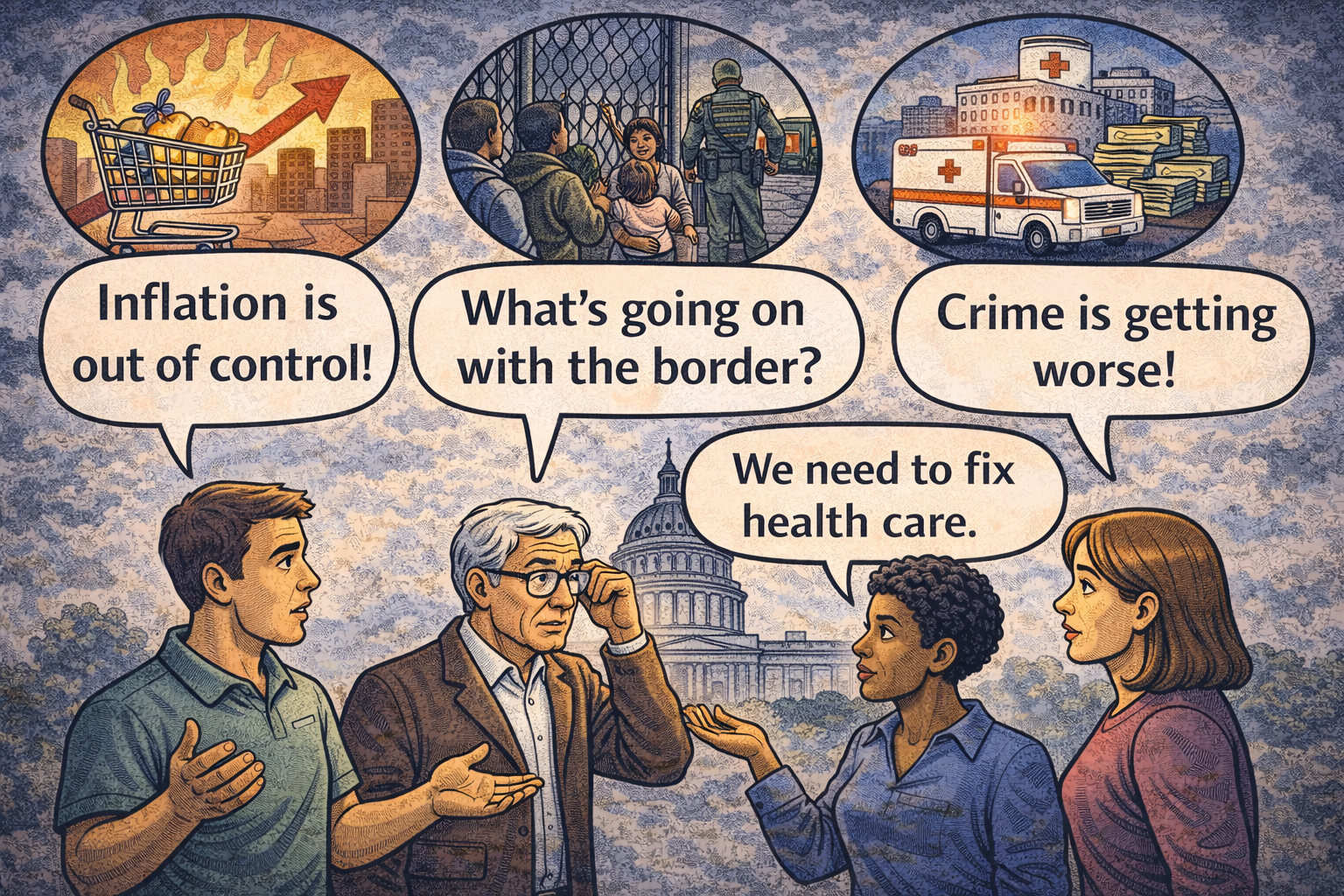
According to George Washington University’s Media Tip Sheet on the 2026 midterm elections, several policy areas are expected to dominate the campaign environment:
Economic growth and inflation
Federal debt and fiscal sustainability
Immigration enforcement and border security
Healthcare affordability
Supreme Court rulings
Energy and environmental regulation
National security
Historically, economic performance has been one of the strongest predictors of midterm outcomes. When voters perceive economic instability, they often shift congressional control.
However, institutional concerns such as election integrity, voting laws, and democratic norms may also influence turnout.
The Turnout Factor: Why Preparation Matters
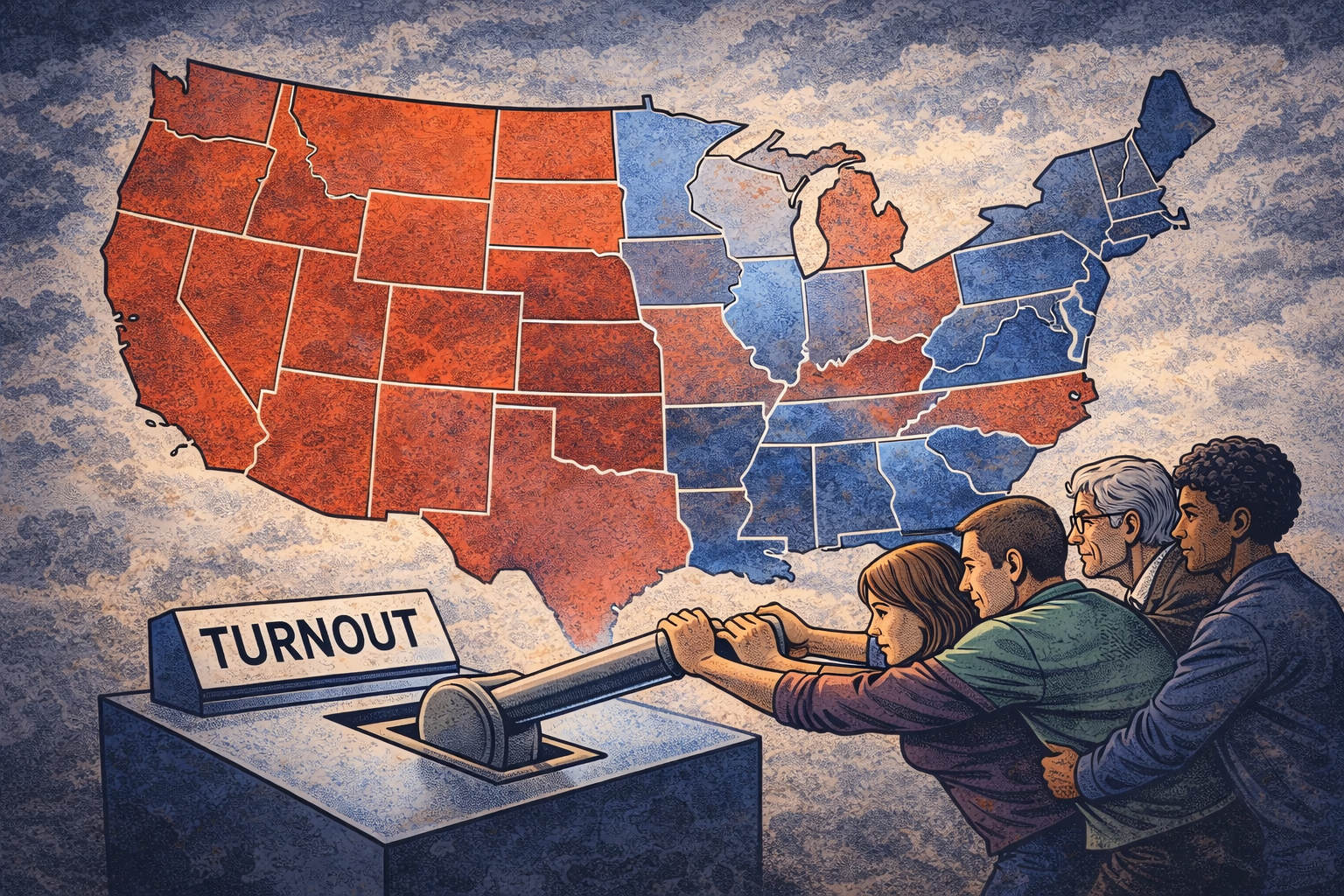
Midterm turnout is historically lower than presidential turnout. Lower participation amplifies the influence of organized and motivated voting blocs.
The broader research collection from the Brookings Institution’s 2026 midterm elections project underscores how turnout disparities can override national polling trends.
In practical terms:
- Smaller turnout means higher impact per vote
- Competitive districts become decisive
- Grassroots mobilization becomes critical
This is why preparation is not symbolic. It is strategic.
How Midterms Reshape Presidential Power
The 2026 U.S. midterm elections will determine whether the president governs under unified or divided government.
If the president’s party loses Congress:
Legislative gridlock becomes more likely
Oversight investigations may intensify
Bipartisan negotiation becomes necessary
If the president’s party retains control:
Policy initiatives may advance more efficiently
Judicial confirmations accelerate
Budget alignment becomes smoother
Midterms frequently define the final two years of a presidential term. They alter governing momentum.
The Importance of State-Level Elections
Midterms also determine governors and state legislatures. These races influence:
Redistricting decisions
Education standards
Abortion regulations
Tax policies
Law enforcement frameworks
State leadership often shapes national debates and future presidential campaigns.
In this sense, the 2026 U.S. midterm elections extend far beyond Washington.
Preparing for the 2026 U.S. Midterm Elections
Preparation requires both logistical readiness and informed evaluation.
1. Confirm Voter Registration
Deadlines vary by state. Early verification prevents disqualification.
2. Understand Identification Requirements
Voter ID laws differ across states. To better understand how identification requirements work nationwide, review Voter ID Requirements in the USA: How They Work and What Voters Should Know.
3. Research Candidate Positions
Examine policy platforms, legislative records, and fiscal priorities.
4. Review Ballot Measures
State referenda may have direct policy consequences.
5. Follow Credible Sources
Rely on official government websites and established policy institutions for information.
Why This Vote Matters More Than Many Realize
Midterms shape legislative power more directly than presidential elections shape executive rhetoric.
They determine:
Whether major bills pass or stall
How federal spending is allocated
Whether oversight investigations intensify
How quickly judges are confirmed
Whether tax policy changes
Historically, midterm waves have redefined political eras.
The 2026 U.S. midterm elections may once again shift the balance of power in Washington.
Key Insights
All 435 House seats and one-third of Senate seats are on the ballot
The president’s party historically loses seats in midterms
Turnout levels heavily influence outcomes
Control of Congress shapes legislative feasibility
State-level races influence long-term national policy
The 2026 U.S. midterm elections represent a structural moment in the American political cycle. They determine who writes laws, controls budgets, confirms judges, and exercises oversight authority.
While presidential elections attract the most attention, midterms often define governance outcomes.
Preparation is not optional. It is foundational to representative democracy.
In 2026, voters will not simply choose candidates. They will determine the balance of power in Washington.
References
USA.gov. Midterm Elections.
Brookings Institution. What History Tells Us About the 2026 Midterm Elections.
Brookings Institution. The 2026 Midterm Elections.
George Washington University. Media Tip Sheet: 2026 Midterm Elections.
U.S. Vote Foundation. When Are the 2026 Midterm Elections and What Is Their Purpose?.

- Five Myths About How the Electoral College Actually Works - September 29, 2026
- Why Does the President’s Party Almost Always Lose Seats in the Midterms? - September 9, 2026
- Why Is Congress Racing to Fund the Government Before the Midterms? - August 31, 2026