
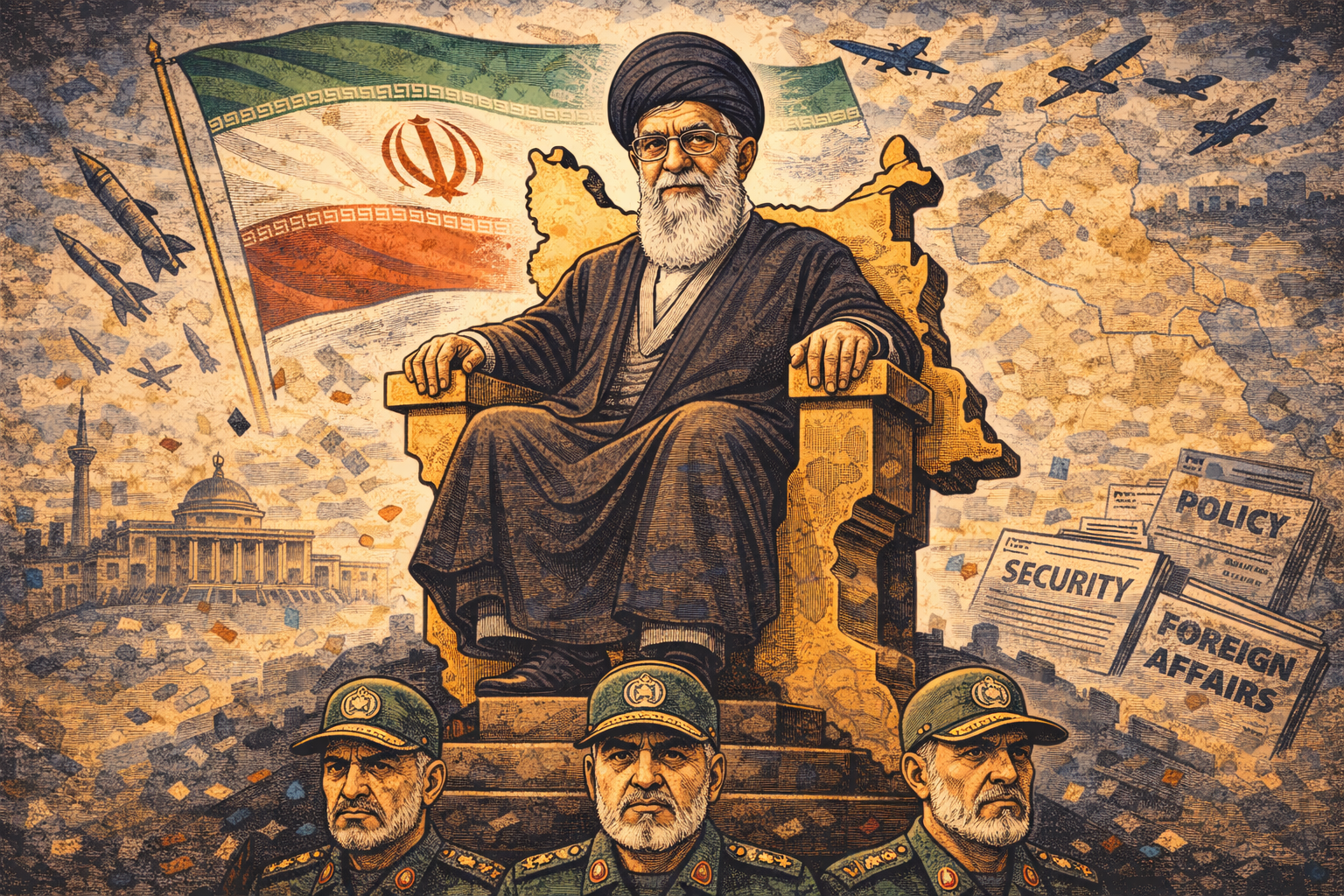
The death of Ali Khamenei, the long-time Supreme Leader of Iran, ends one of the most consequential leadership eras in the modern Middle East. For more than three decades, Khamenei controlled the political and military direction of the Islamic Republic of Iran, making him the most powerful figure in the country’s government.
Unlike elected officials such as Iran’s president or parliament, the Supreme Leader holds ultimate authority over the state. Khamenei’s influence extended across the military, the judiciary, national broadcasting, and Iran’s powerful security institutions.
As global politics and election updates in the US continue to intersect with Middle Eastern conflicts, understanding Ali Khamenei’s leadership is essential to understanding Iran’s role in regional geopolitics.
Ali Khamenei at a Glance
Full Name: Ali Hosseini Khamenei
Born: April 19, 1939, Mashhad, Iran
Political Role: Supreme Leader of Iran
Years in Power: 1989 to 2026
Previous Position: President of Iran (1981 to 1989)
Political System: Islamic Republic of Iran
Key Institutions Under His Authority:
Iranian Armed Forces
Islamic Revolutionary Guard Corps (IRGC)
Judiciary
State broadcasting networks
Major Historical Events During His Leadership:
End of the Iran–Iraq War aftermath
Consolidation of the Islamic Republic after Khomeini’s death
2009 Iranian election protests and Green Movement
Expansion of Iran’s regional influence in the Middle East
International tensions over Iran’s nuclear program
Death:
February 2026, killed during a military strike on Tehran during a broader regional conflict.
Who Was Ali Khamenei?
Ali Khamenei was born on April 19, 1939, in the city of Mashhad in northeastern Iran. His father was a religious cleric, and Khamenei was educated in Islamic seminaries in Mashhad and Qom, where he studied theology and Islamic jurisprudence.
During the 1960s and 1970s, he became involved in political activism against the monarchy of Shah Mohammad Reza Pahlavi. His activities brought him into the circle of Ayatollah Ruhollah Khomeini, the revolutionary cleric who would later lead the Iranian Revolution.
Khamenei was arrested several times by the Shah’s security forces for his involvement in anti-government activities before the monarchy collapsed in 1979.
According to Encyclopaedia Britannica’s biography of Ali Khamenei, the revolution transformed him from a cleric and activist into a rising political leader within the newly established Islamic Republic of Iran.
Rise to Power After the Iranian Revolution
Following the 1979 revolution, Khamenei quickly became part of Iran’s new governing elite.
He held several key positions during the early years of the Islamic Republic, including:
Deputy defense minister
Member of Iran’s parliament
Tehran’s Friday prayer leader
In June 1981, Khamenei survived an assassination attempt when a bomb hidden in a tape recorder exploded during a speech. The blast severely injured him and permanently damaged his right arm.
Later that year, he was elected President of Iran, serving from 1981 to 1989 during the final phase of the Iran–Iraq War.
His presidency placed him at the center of Iran’s political leadership and positioned him as a potential successor to Ayatollah Khomeini.
Becoming Supreme Leader of Iran
When Ayatollah Khomeini died in 1989, Iran faced a crucial leadership transition.
The Assembly of Experts, the clerical body responsible for appointing the Supreme Leader, selected Ali Khamenei as the country’s new leader.
The decision surprised many observers because Khamenei did not initially hold the highest clerical rank traditionally required for the position.
However, once appointed, he quickly consolidated power.
According to the leadership analysis published by Washington State University in Leadership Profile: Supreme Leader Ali Khamenei, the position gave Khamenei control over critical state institutions, including:
the armed forces
the Islamic Revolutionary Guard Corps (IRGC)
the judiciary
state broadcasting networks
This authority effectively made him the central decision-maker in Iran political leadership.
Leadership Style and Political Power
Khamenei ruled Iran through a combination of ideological authority and institutional control.
He cultivated strong alliances with the Islamic Revolutionary Guard Corps, which expanded significantly during his leadership and became one of the most powerful political and military institutions in Iran.
Under his leadership, the Supreme Leader maintained final authority over:
Iran’s military strategy
nuclear policy
foreign alliances
domestic security policy
While Iran maintained elected institutions, the Supreme Leader had the power to override key decisions and shape the direction of the government.
Controversies and Political Conflict
The rule of Ali Khamenei was also marked by major controversies.
One of the most significant occurred during the 2009 Iranian presidential election, when widespread protests erupted after the reelection of President Mahmoud Ahmadinejad. Demonstrators accused the government of election fraud.
The protests, known as the Green Movement, were suppressed by security forces.
Iran also faced repeated waves of unrest during economic crises and political disputes, including nationwide protests in 2019 and the early 2020s.
Internationally, Iran’s nuclear program and its regional alliances contributed to escalating tensions with the United States and its allies.
These geopolitical tensions continue to influence debates about U.S. strategy in the region, as explored in Is U.S. Foreign Policy in the Middle East Making the Iran–Israel Conflict Worse?.
How Ali Khamenei Died
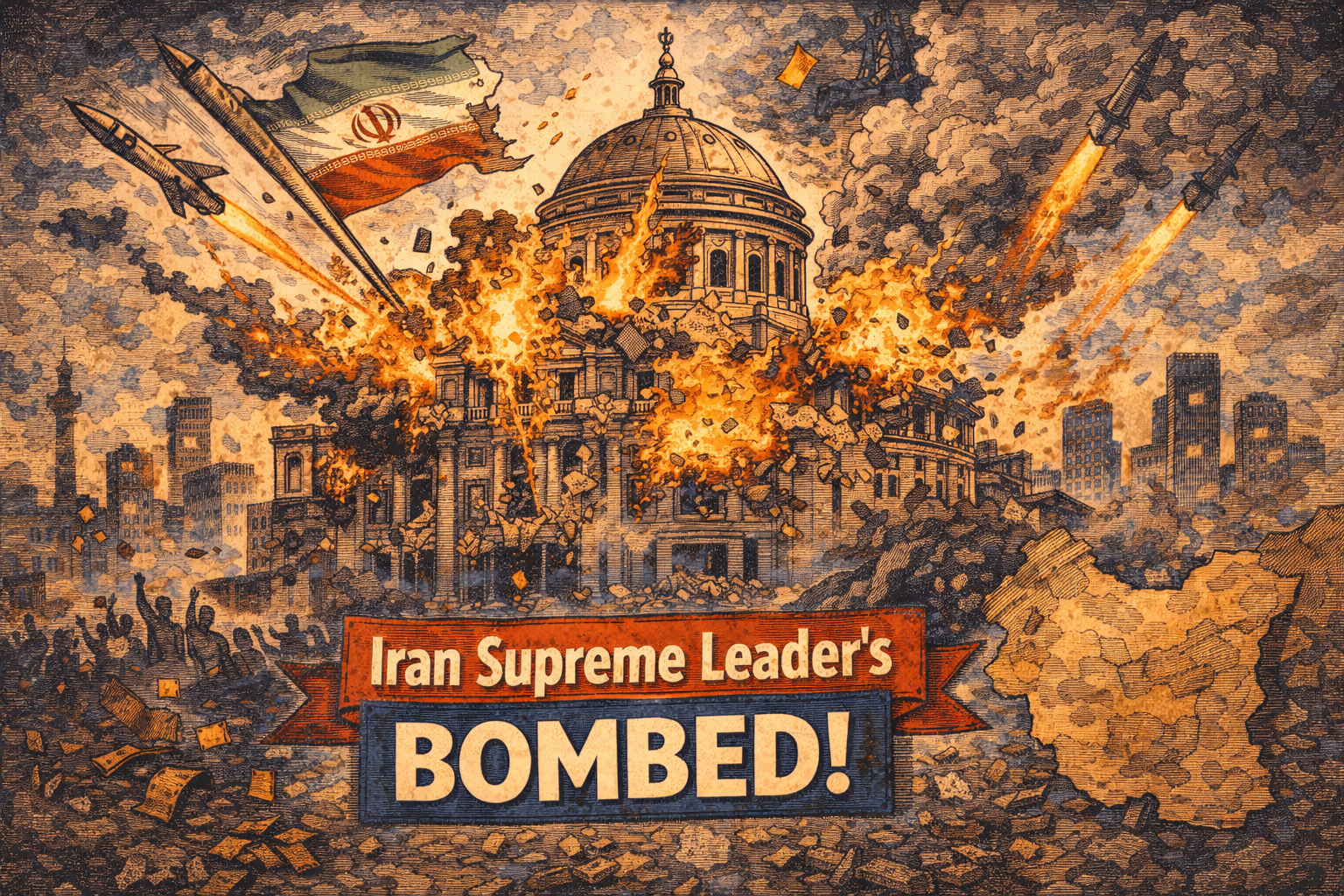
In February 2026, Ali Khamenei, the Supreme Leader of Iran, was killed during a large-scale military strike on Tehran carried out by Israel and the United States. Iranian state media later confirmed his death.
According to reporting from the Associated Press, the attack targeted senior Iranian leadership and military infrastructure in the capital. The strike hit a compound associated with the Supreme Leader’s offices in central Tehran.
Satellite images released after the attack showed extensive damage to the compound following heavy bombing. The strike occurred during a broader military operation aimed at dismantling parts of Iran’s security and military apparatus.
The killing of Ali Khamenei immediately raised fears of a wider regional conflict and triggered a major political transition within the Islamic Republic of Iran, where the Assembly of Experts is responsible for selecting the next Supreme Leader of Iran.
Legacy of Iran’s Most Powerful Leader
The legacy of Ali Khamenei remains deeply contested.
Supporters view him as a defender of the Islamic Republic of Iran who resisted Western pressure and preserved the country’s revolutionary identity.
Critics argue that his leadership entrenched authoritarian governance and intensified Iran’s isolation from the global economy.
What is clear is that Khamenei shaped Iran’s political system for more than three decades. His leadership influenced regional conflicts, international diplomacy, and the balance of power in the Middle East.
His death now opens a new chapter for Iran leadership, with the choice of a new Supreme Leader likely to determine the country’s future political direction.
References:
Washington State University. Leadership Profile: Supreme Leader Ali Khamenei.
Encyclopaedia Britannica. Ali Khamenei.
Associated Press. Iran’s Supreme Leader Ayatollah Ali Khamenei Dead.

- What Is Actually Happening in France Right Now, and Why It Matters for the Race to Replace Macron - October 19, 2026
- How a 1971 Supreme Court Case Still Decides Who Makes Your Local Ballot - October 14, 2026
- The Supreme Court Is About to Decide a Major Voter Roll Case. Here Is the Timeline That Got Us Here - September 24, 2026