
New York has battled rising rents for more than a century. Every generation of tenants has endured the same crisis — prices increasing faster than wages, limited housing supply, inconsistent protections and constant political fights over who gets to remain in the city.
Today, Zohran Mamdani steps into this 100-year struggle with one of the boldest housing proposals in recent memory: a New York rent freeze on rent-stabilized apartments.
His promise taps into a long history of tenant activism and government intervention, and it arrives at a moment when millions feel squeezed out of the city they call home. This article explores how New York’s rental system evolved, how rents changed over the last twenty years, and why Mamdani’s freeze proposal has reignited a historic debate on affordability and housing justice.
The Long Battle Over Rent in New York
Early 1900s to WWII: The First Rent Wars
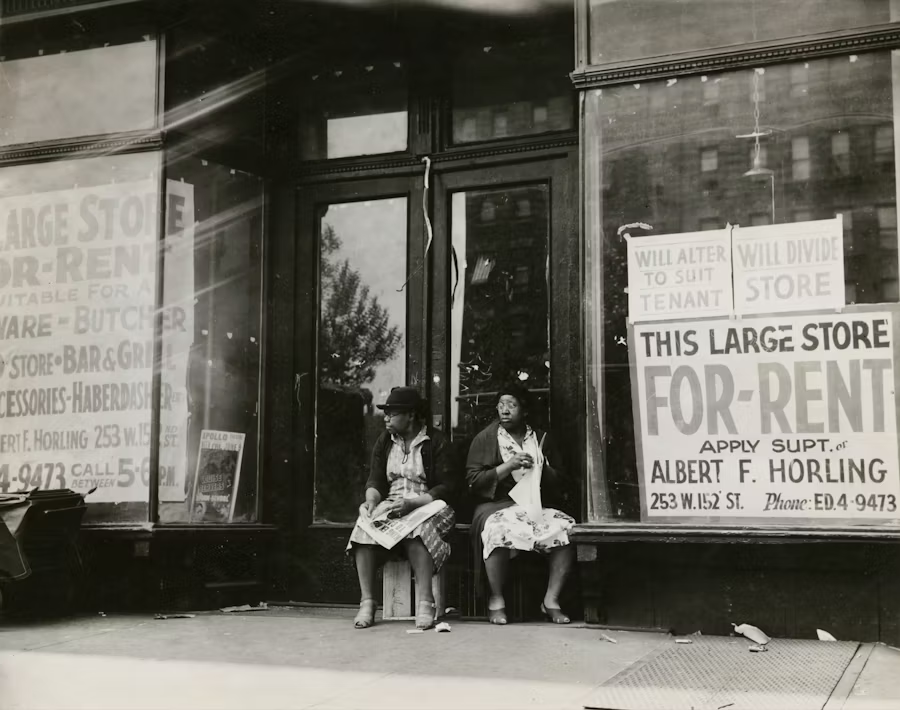
New York’s tenant movement began in force during the 1918–1920 rent strikes, when thousands of renters protested sudden increases linked to wartime shortages. Tenant activism pressured lawmakers to intervene and stabilize runaway rents for the first time.
Historical background:
➡️ Tenement Museum – History of Rent Strikes
By 1943, the federal government stepped in during World War II, freezing rents nationwide under the Office of Price Administration (OPA).
➡️ U.S. National Archives – OPA Overview
Why this matters today:
Mamdani’s New York rent freeze follows a century-old pattern where government acts during affordability emergencies to protect tenants.
1947–1970s: The Foundations of Today’s System
After the war, federal controls lifted, but New York chose to maintain and strengthen local protections. Two major pillars emerged:
Rent Control
For pre-1947 buildings, limiting increases almost entirely.
Rent Stabilization
Created in 1969 and expanded in 1974 through the Emergency Tenant Protection Act (ETPA), rent stabilization became New York’s core regulatory system.
➡️ NYC Rent Guidelines Board – Introduction to Rent Stabilization
Relevance to Mamdani:
His rent freeze would operate directly through this rent-stabilization structure, using the Rent Guidelines Board (RGB) to halt annual increases.
1980s–2010s: Deregulation, Development and a Growing Crisis
From the 1980s onward, political pressure shifted toward deregulation.
Key developments include:
The Rent Regulation Reform Act of 1997
Allowed thousands of stabilized units to exit regulation once they crossed certain rent or income thresholds.
The 421-a Tax Incentive
Encouraged large-scale luxury development, reshaping the rental landscape.
➡️ NYC Department of Finance – 421-a Program
By the 2010s, the affordability crisis was undeniable. According to NYU’s Furman Center:
- 2005–2013: Median rent rose 11.8%
- 2005–2013: Renter income rose only 2.3%
➡️ NYU Furman Center – Rent Stabilization Report
Relevance to Mamdani:
These economic pressures built the foundation for his rent-freeze argument — tenants were paying more while earning less.
2015: The First Modern Rent Freeze
In 2015, the Rent Guidelines Board froze rents on one-year leases for rent-stabilized units — the first citywide rent freeze in NYC’s history.
➡️ TIME Magazine – NYC Issues First Rent Freeze
Relevance to Mamdani:
This precedent demonstrated that politically and legally, a New York rent freeze was possible — paving the way for a broader, more ambitious version under Mamdani.
The 2020s: Pandemic, Rebound and the Rise of Mamdani’s Freeze Proposal
During the pandemic, NYC rents fell briefly, but the drop was short-lived. By 2024:
NYC median asking rent surpassed $3,676
Vacancy dropped below 2% (far under the 5% emergency threshold)
Rent burden reached historic levels, with many paying over 30–50% of income on housing
These conditions reignited long-standing tenant demands.
Into this crisis stepped Zohran Mamdani with a promise that immediately reshaped the housing debate:
Freeze the rent on roughly one million rent-stabilized apartments for a multi-year period.
The Community Service Society publicly supported the freeze, citing RGB data showing that many landlords’ incomes had recovered post-pandemic while tenants continued to face record-high rents.
➡️ CSSNY – Testimony Supporting a 2025 Rent Freeze
20-Year Rent Comparison (2005–2025)
| Year | Typical Rent Indicator | Change vs 2005 | Policy Context |
| 2005 | ~$1,000 median for vacant rentals | Baseline | Growth in deregulation |
| 2010 | Manhattan median ≈ $3,000 | +10–15% | Post-recession renter shift |
| 2013 | Rents +11.8%, incomes +2.3% | +11.8% | Affordability gap widens (NYU) |
| 2015 | Asking ≈ $2,900 | +40–50% vs 2005 | RGB issues first rent freeze |
| 2018–2019 | Stabilized median ≈ $1,260 | +20–30% | HSTPA strengthens protections |
| 2022 | NY State median ≈ $1,500 | Higher | Rent burden ~34% |
| 2024 | Asking ≈ $3,676 | ~3.5× 2005 | Vacancy <2% |
| 2025 | Asking ~$3,490+ | Crisis peak | Mamdani proposes freeze |
Why this matters:
Twenty years of data show a dramatic rise in rents despite stagnant wage growth, the structural factors behind Mamdani’s New York rent freeze.
What Mamdani’s Rent Freeze Actually Proposes
Mamdani’s rent-freeze plan focuses on:
Freezing annual increases on all rent-stabilized apartments (~1 million units)
Implementing a multi-year freeze period, not just a one-year pause
Strengthening enforcement against illegal rent hikes
Appointing an RGB aligned with tenant protection
Pairing the freeze with broader social housing development
This would be one of the most sweeping tenant-protection policies in NYC in decades.
Benefits and Challenges
Benefits for Tenants
Immediate financial relief
More stability in high-inflation periods
Reduced displacement
Greater housing security
Concerns from Landlords and Economists
Reduced funds for building maintenance
Potential deterioration of older buildings
Lower incentives for new rental construction
Risk of shifting pressure to unregulated units
These debates mirror the same arguments made during past rent-control eras.
What New Yorkers Should Know
The New York rent freeze applies to rent-stabilized units, not unregulated units.
Stabilization remains the foundation of NYC’s affordability system.
The Rent Guidelines Board will play a central role.
Long-term impact depends on pairing the freeze with increased housing supply.
Politically, this represents a new peak in tenant power.
References:
NYU.edu.The Challenges of Balancing Rent Stability, Fair Return, and Building Quality
NYC.gov.Introduction to the Rent Stabilization System
TIME.com.New York City Just Froze Rents for the First Time
CSSNY.org.The Rent Guidelines Board’s Data Supports a Rent Freeze in 2025
Tenement.org.History of the 1918–1920 New York Rent Strikes
NYC.gov.421-a Housing Program Overview

- Five Myths About How the Electoral College Actually Works - September 29, 2026
- Why Does the President’s Party Almost Always Lose Seats in the Midterms? - September 9, 2026
- Why Is Congress Racing to Fund the Government Before the Midterms? - August 31, 2026