
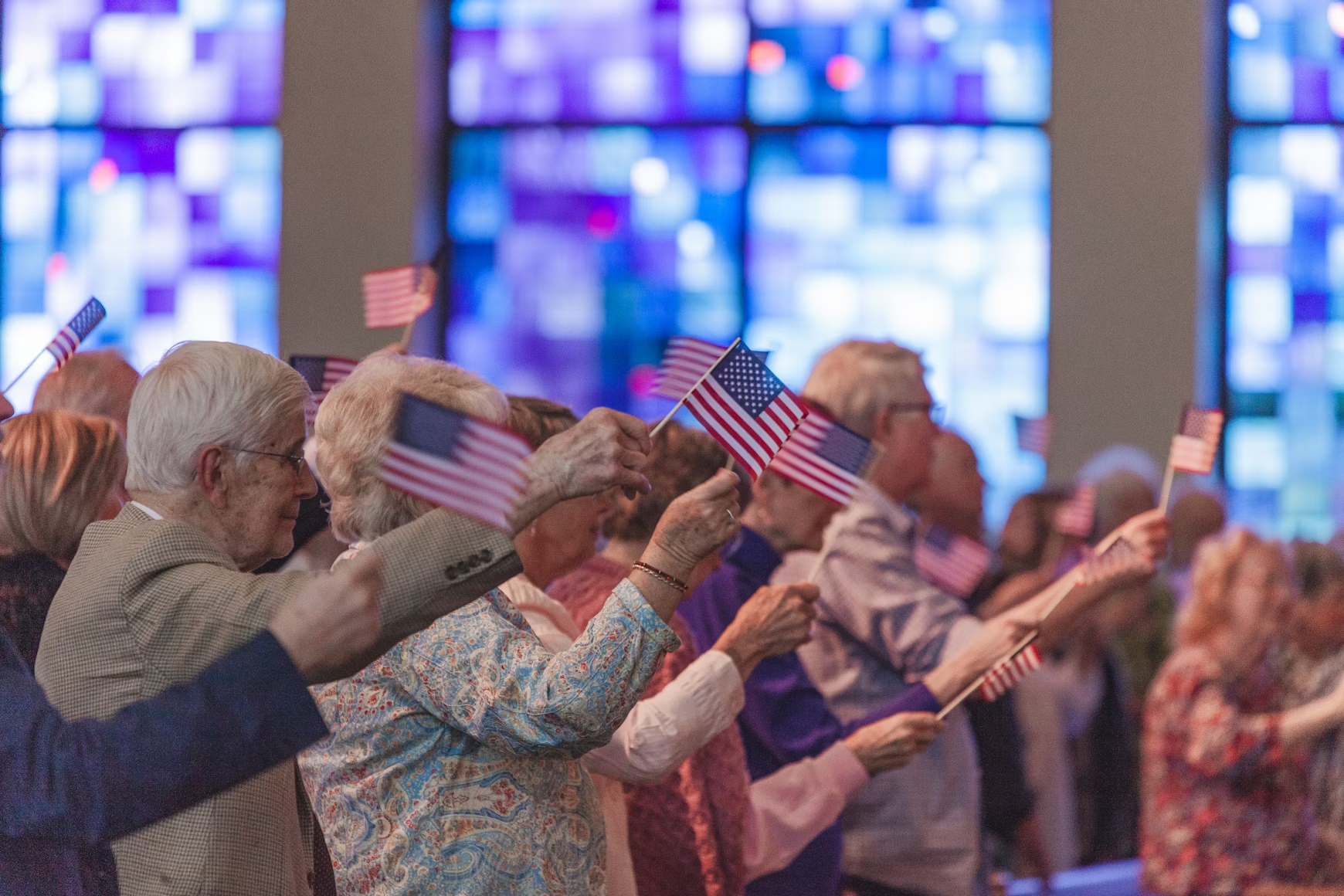
Every year on November 11, the United States pauses to recognize the extraordinary men and women who served in its armed forces. Veterans Day is not simply a long weekend or an opportunity for sales. It is a day to honor courage, discipline, and duty.
At its heart, Veterans Day asks every citizen to remember the people who wore the uniform and defended the country’s values, from the beaches of Normandy to modern-day peacekeeping missions. It reminds us that freedom is preserved not by words, but by service.
Origins of Veterans Day
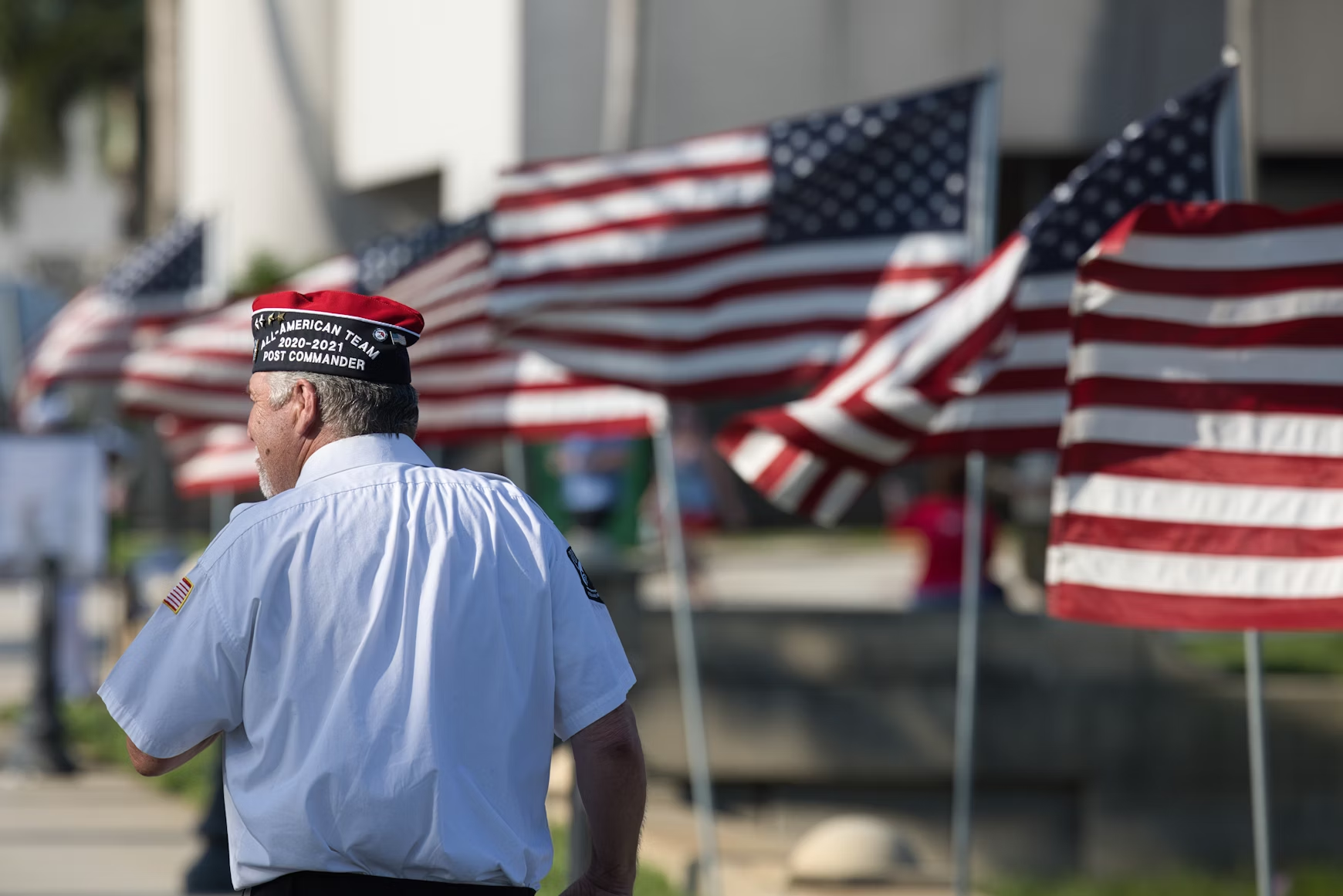
The roots of Veterans Day reach back to the end of World War I. On the eleventh hour of the eleventh day of the eleventh month in 1918, the Allied powers and Germany signed an armistice that ended major hostilities.
In 1919, President Woodrow Wilson proclaimed November 11 as Armistice Day—a day to honor those who fought and to celebrate peace. Over time, it grew beyond its World War I origins. The holiday officially became a federal observance in 1938, recognizing the end of that devastating war.
After World War II and the Korean War, Americans wanted to honor all veterans, not only those from World War I. In 1954, President Dwight D. Eisenhower signed a bill replacing “Armistice Day” with Veterans Day, a name that reflected the collective sacrifice of all service members.
According to the U.S. Department of Veterans Affairs, this change symbolized America’s ongoing gratitude for those who served “in war or peace, living or dead.” U.S. Department of Veterans Affairs. History of Veterans Day.
Why November 11 Matters
The decision to keep Veterans Day on November 11 was intentional. Even after a brief attempt in the 1970s to move it to a Monday (for long weekends), the date was restored in 1978.
That restoration reinforced its historic symbolism: November 11 connects the past to the present. It is a living reminder that peace was hard-won, and that each generation inherits a duty to safeguard it.
The Wounded Warrior Project explains that Veterans Day is “a time to honor living veterans and thank them for their service” rather than mourn the fallen, which is reserved for Memorial DayWounded Warrior Project. What is Veterans Day? Facts, Meaning, and History.
Veterans Day vs. Memorial Day: Understanding the Difference
Many Americans confuse Veterans Day with Memorial Day, but their purposes differ:
Memorial Day (last Monday of May) honors those who died in military service.
Veterans Day honors all who served, whether during war or peace, living or deceased.
This distinction is vital. Veterans Day celebrates the living legacy of service—an acknowledgment that many veterans continue contributing to their communities long after their time in uniform.
Understanding this difference helps deepen the public’s appreciation of both holidays and the values they represent.
Traditions and Observances Across the Nation
From small towns to major cities, Veterans Day is marked by parades, ceremonies, and community gatherings.
In Washington, D.C., the President or Vice President traditionally lays a wreath at the Tomb of the Unknown Soldier at Arlington National Cemetery.
Across the country, schools invite veterans to share their stories, and communities hold moments of silence at 11 a.m.
Many businesses and restaurants offer discounts or free meals to veterans as gestures of gratitude.
In recent years, some schools have used the day for service projects, combining civic education with community engagement.
Each act—big or small—reflects national unity through respect for service.
The Symbolism of Service
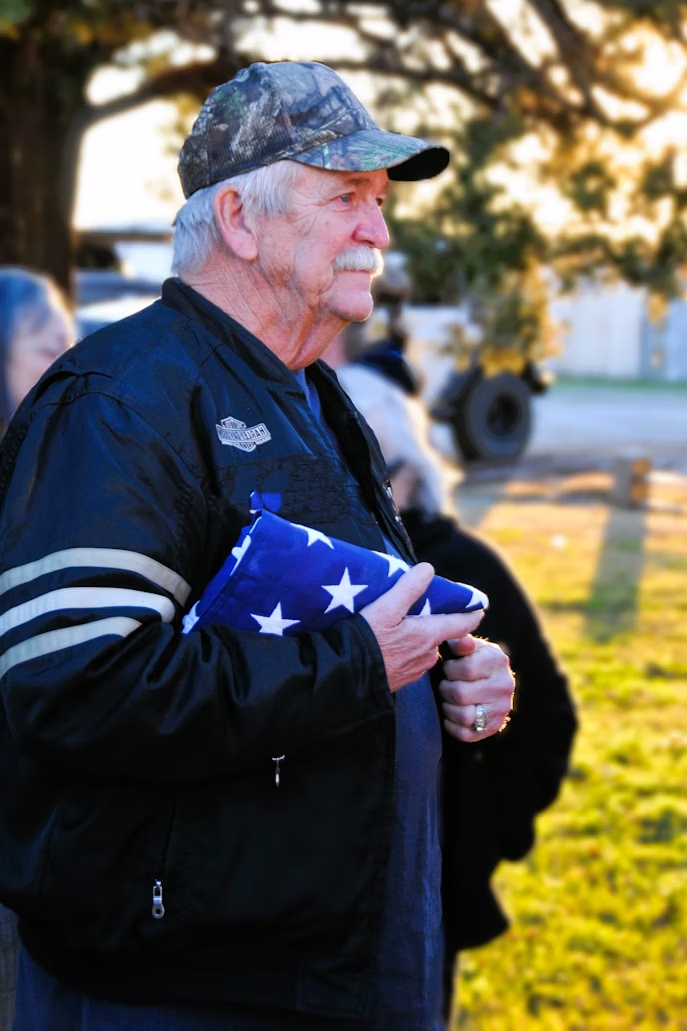
At its core, Veterans Day is about understanding what service means. It is not just military duty; it’s about sacrifice, resilience, and commitment.
Every veteran’s story is unique. Some fought on battlefields abroad, others provided crucial support roles at home or served in humanitarian missions. Yet they share a common thread—placing the nation’s needs above their own.
The U.S. Department of Veterans Affairs emphasizes that these individuals “stood ready to defend democracy and freedom wherever they were called” U.S. Department of Veterans Affairs. History of Veterans Day.
5 Facts to Know About Veterans Day
The U.S. Department of War shares key facts that deepen public understanding of the holiday:
It’s Veterans Day (no apostrophe) — The day doesn’t “belong” to veterans; it honors all who served.
It’s observed on November 11—no matter the weekday.
It honors living veterans—distinct from Memorial Day.
The first national Veterans Day celebration occurred in 1954 after Eisenhower’s proclamation.
It’s a symbol of peace as much as of strength, commemorating the end of WWI and the hope for global harmony.
Challenges Veterans Face Today
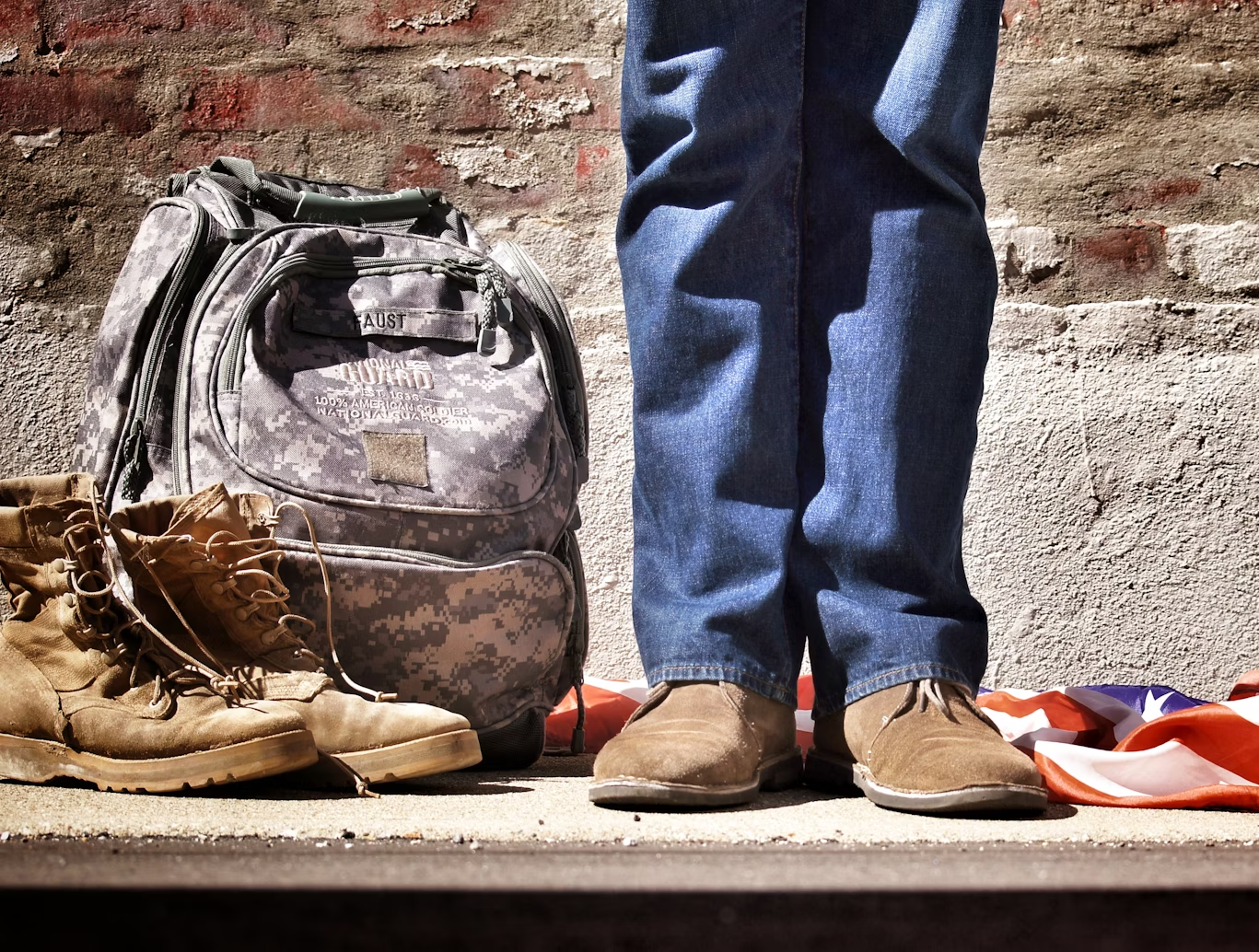
While Veterans Day celebrates service, it also highlights ongoing struggles many veterans face when reintegrating into civilian life.
Mental health: Conditions like PTSD, depression, and anxiety remain common among veterans.
Employment and transition: Returning to civilian jobs after years of military structure can be difficult.
Homelessness: A significant portion of the U.S. homeless population are veterans.
Access to healthcare: While the Department of Veterans Affairs (VA) provides services, long wait times and systemic challenges persist.
Honoring veterans means more than a day of recognition—it means addressing these issues through better policy, community programs, and understanding.
How to Honor Veterans Day Meaningfully
Attend or participate in local events such as parades or school programs.
Volunteer or donate to veteran-support organizations like the Wounded Warrior Project or Homes for Our Troops.
Listen and learn—invite a veteran to share their story.
Display the American flag correctly and with respect.
Observe a moment of silence at 11 a.m. on November 11.
These actions turn gratitude into connection—keeping the spirit of Veterans Day alive throughout the year.
Global Comparisons: Remembrance and Reflection
While the United States observes Veterans Day, other nations commemorate the same historic event differently:
The United Kingdom, Canada, and Australia observe Remembrance Day, also on November 11.
These ceremonies often include the poppy flower, symbolizing the blood shed in war and the resilience of peace.
This shared observance underscores the global yearning for peace that began with the 1918 armistice.
The Role of Veterans in Modern America
Today, veterans represent a vital part of the American fabric. They serve as leaders, teachers, entrepreneurs, and public servants. Many continue their service through civic work, mentoring younger generations, or advocating for fellow veterans.
Their contributions extend beyond the battlefield—they help uphold democracy and inspire national unity.
Why Veterans Day Still Matters
As political divisions widen and global challenges grow, Veterans Day stands as a unifying symbol. It reminds Americans that courage, loyalty, and love of country transcend ideology.
To honor veterans is to remember that democracy is not self-sustaining—it requires defense, dedication, and gratitude.
The Wounded Warrior Project captures this perfectly: “Veterans Day is a reminder that our freedom is preserved by those willing to defend it” Wounded Warrior Project. What is Veterans Day?
Key Insights: At a Glance
Date: November 11
Honors: All U.S. military veterans—living and deceased
Origin: Armistice Day (World War I, 1918)
Renamed: Veterans Day in 1954 by President Eisenhower
Symbolism: Peace, unity, sacrifice, and democracy
Difference: Memorial Day honors the fallen; Veterans Day honors all who served
Remembering Through Gratitude
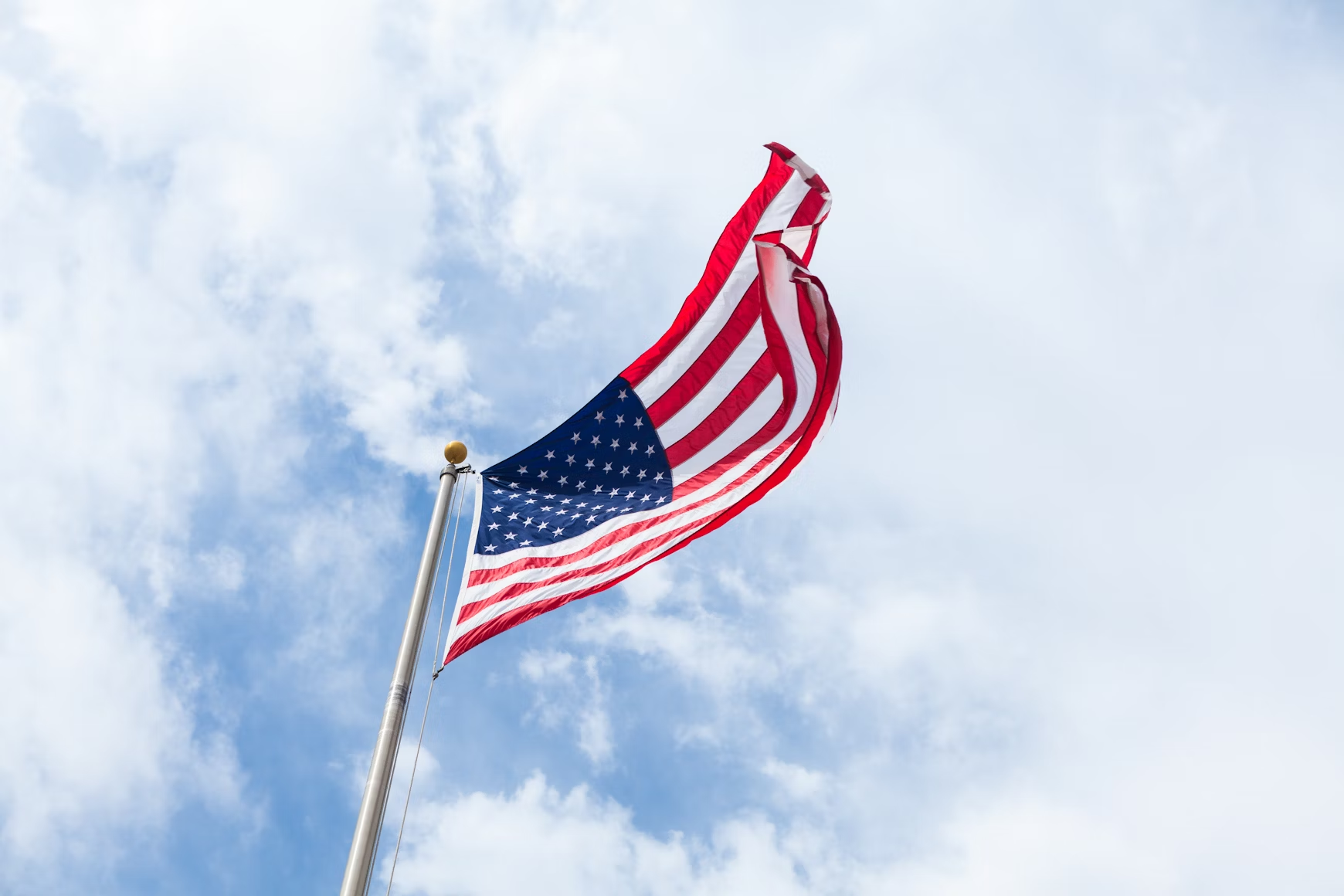
In an era where history can fade from memory, Veterans Day serves as an anchor to America’s core values. It is a day to thank those who chose service over self, and to teach the next generation that courage isn’t just about combat—it’s about conviction.
Every salute, every flag raised, and every story told on November 11 keeps alive a legacy of honor that defines what it means to be American.
References
U.S. Department of Veterans Affairs. History of Veterans Day
Wounded Warrior Project. What is Veterans Day? Facts, Meaning, and History
U.S. Department of War. 5 Facts to Know About Veterans Day

- Five Myths About States Banning ICE From Polling Places - October 12, 2026
- The Secret Ballot Is Newer Than You Think, and It Took a Body Count to Get Here - October 6, 2026
- Why Is Election Day Always a Tuesday in November? - September 4, 2026