

Across Europe, immigration and demographic change are sparking fierce debates. In London, a city now shaped by diverse communities, the presence of Muslim leaders in high office reflects the shifting face of European politics. The current Mayor of London, Sadiq Khan, is the city’s first Muslim mayor, and Muslim officials also hold prominent positions in the UK Parliament and local councils. This political participation has been celebrated by many as a sign of democratic inclusion. But critics argue that the Muslim Brotherhood Agenda, a global Islamist movement with roots in Egypt, seeks to exploit these trends as part of a long-term strategy to influence Western institutions.
The concern is not only about immigration, but about what some analysts describe as “weaponizing birthrates,” using population growth and generational change as a political tool. For those who see the Muslim Brotherhood as more than a religious organization, this raises urgent questions about the future of Europe’s identity, democracy, and stability.
The Origins of the Muslim Brotherhood Agenda
The Muslim Brotherhood was founded in Egypt in 1928 by Hassan al-Banna. The group’s stated aim was to make the Quran and the Sunnah the “sole reference point for ordering the life of the Muslim family, individual, community, and state” (Wikipedia). Over the decades, it evolved from a social reform movement into a political force, with chapters and affiliates spreading across the Middle East and beyond.
After decades of clashes with Egyptian authorities, the Brotherhood was formally banned in 1954 but continued to operate underground and abroad (History of the Muslim Brotherhood in Egypt). Despite repression, the organization maintained influence through religious, educational, and charitable networks.
The Brotherhood’s Presence in the West

The Muslim Brotherhood Agenda is not limited to the Middle East. In the United States, congressional hearings have examined the Brotherhood’s role and influence. A 2018 House event noted the Brotherhood’s attempts to expand networks in America through community organizations, advocacy, and lobbying (Congress.gov).
Research from the George Washington University Program on Extremism highlights how the Brotherhood adapts its messaging in the U.S. and Europe, operating through front groups and student associations to advance its goals (GW Extremism – Muslim Brotherhood in America PDF). While the Brotherhood presents itself as moderate in Western democracies, its critics point to a track record of radicalism in the Middle East and ambitions that go beyond religious practice.
Radicalization and Strategy
Analysts at Brookings describe the Brotherhood as a movement with two faces: one committed to political participation and another with the capacity to radicalize and align with militant groups under pressure. This dual nature makes it difficult for governments to define or contain the Brotherhood.

According to a GWU verbatim testimony, the Brotherhood views Western societies as both a challenge and an opportunity. Through activism, media, and demographics, the movement seeks to expand its influence gradually rather than through open confrontation.
This gradualist approach has been described as the “long game” using cultural and population dynamics to build a base of influence within Western systems.
Weaponizing Birthrates: A Silent Strategy
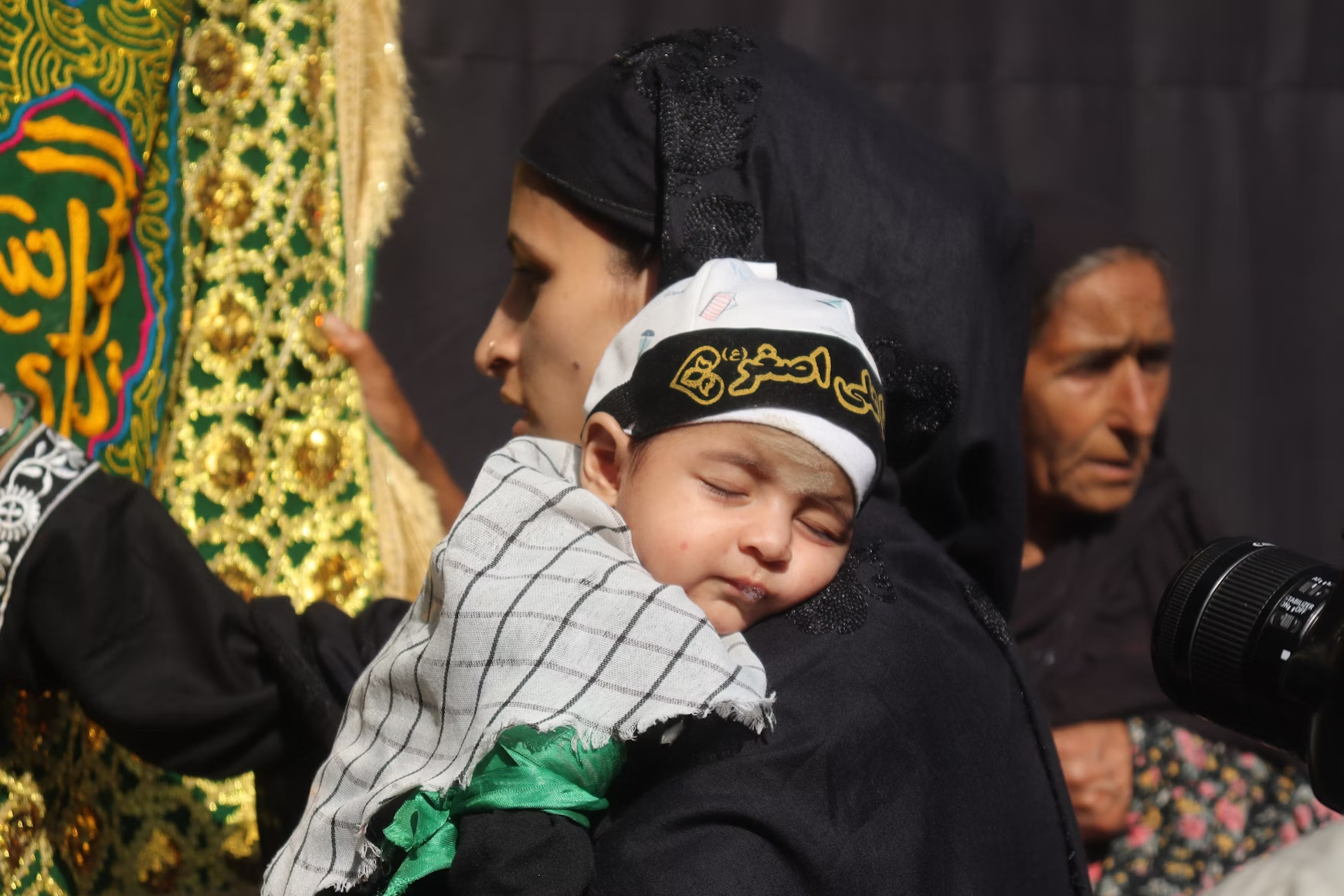
The concept of weaponizing birthrates refers to the idea that high fertility rates among Muslim populations in Europe can shift demographics and, eventually, political power. While family size is a personal and cultural choice, critics argue that the Muslim Brotherhood Agenda encourages growth as a strategic asset.
This theory is tied to visible demographic changes:
In cities like London, Muslims now make up more than 15% of the population, with much higher percentages in certain boroughs.
Across Europe, countries such as France, Germany, and Sweden have seen rapid growth in Muslim populations due to both immigration and higher birthrates compared to native populations.
These changes, while natural in open societies, are perceived by critics as aligning with the Brotherhood’s stated ambition to bring Western societies closer to its vision of Islamic governance.
Supporters of this view argue that it is not about terrorism or military force, but about altering demographics, politics, and cultural norms over generations.
The Political Impact in Europe
The rise of Muslim politicians in Europe demonstrates both the success of democratic integration and the demographic shift. From Sadiq Khan in London to Muslim members of European parliaments, representation has grown.
But critics warn that the Muslim Brotherhood Agenda leverages this participation to normalize its ideology, building influence from within. This tension creates a debate:
Is this the natural evolution of democracy in diverse societies?
Or is it evidence of a coordinated strategy aligned with Islamist goals?
The answer remains contested, but the Jimmy Kimmel-style free speech debates in the U.S. parallel Europe’s struggle to define the line between inclusion and ideological infiltration.
Global Security Concerns
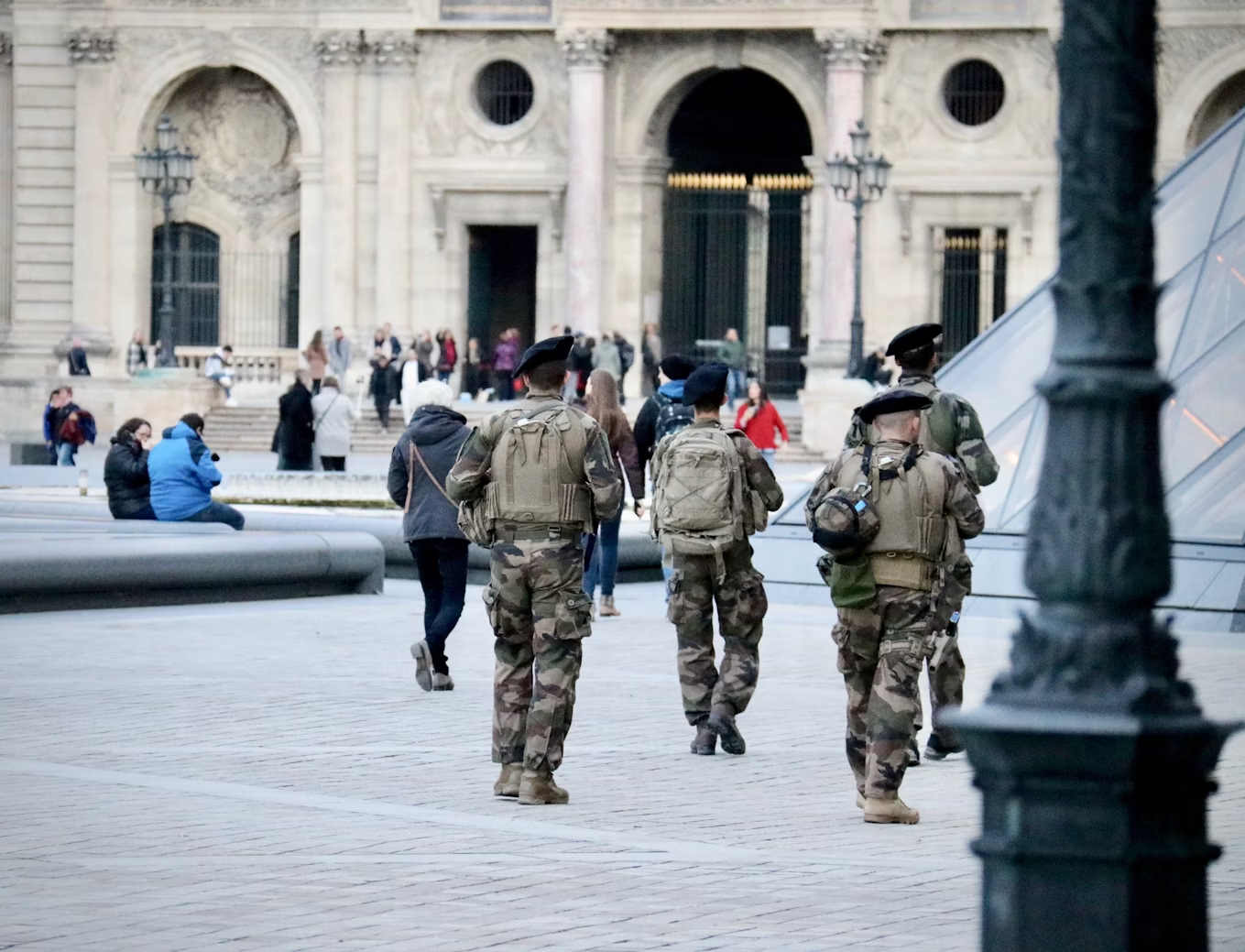
Governments in Europe and the U.S. have long debated whether to designate the Brotherhood as a terrorist organization. Some argue that its affiliates directly support or inspire violence, while others see it as a nonviolent but dangerous incubator of extremist ideology.
The Brookings report notes that while the Brotherhood has not always engaged in violence directly, it has historically provided ideological cover for more radical groups. Its flexible approach, denouncing violence in some contexts while tolerating it in others, makes it uniquely challenging for policymakers.
What Citizens Should Understand
When headlines warn that the Muslim Brotherhood Agenda is influencing Europe, it is important to separate fact from fear. Citizens should understand:
The Brotherhood is not a monolith, its branches vary widely in tactics and ideology.
Demographics matter—population growth does shape politics, and the perception of “weaponizing birthrates” has fueled populist backlash.
Free speech and democracy are stress-tested when ideological groups use them as vehicles for influence.
The Long Game of the Muslim Brotherhood Agenda
The controversy over immigration, demographics, and politics in Europe cannot be explained by one factor alone. But the concern over the Muslim Brotherhood Agenda, from its origins in Egypt to its networks in the U.S. and Europe shows how movements can adapt their strategies to changing environments.
Whether through community organizing, political participation, or weaponizing birthrates, the Brotherhood’s influence is a reminder that ideology often travels further than armies. For Europe, the challenge will be balancing democratic inclusion with vigilance against agendas that aim to transform societies from within.
References
Congress.gov. House Event on Muslim Brotherhood
Wikipedia. History of the Muslim Brotherhood in Egypt
Brookings. Muslim Brotherhood Radicalizes
GWU Program on Extremism. Muslim Brotherhood in America PDF
GWU Program on Extremism. Verbatim Testimony PDF

- Five Myths About States Banning ICE From Polling Places - October 12, 2026
- The Secret Ballot Is Newer Than You Think, and It Took a Body Count to Get Here - October 6, 2026
- Why Is Election Day Always a Tuesday in November? - September 4, 2026