

The question of peace in the Middle East has confounded U.S. presidents for decades. When the Trump Gaza Plan was unveiled, it was framed as a bold attempt to end the cycle of violence between Israel and the Palestinians. But as details of the proposal emerged, critics and supporters alike asked whether this plan could truly deliver peace—or whether it risked deepening the conflict.
With wars in Gaza dominating headlines and the Israel–Palestine dispute entering yet another chapter, the Trump proposal has reignited debate over America’s role in shaping diplomacy.
What Is the Trump Gaza Plan?
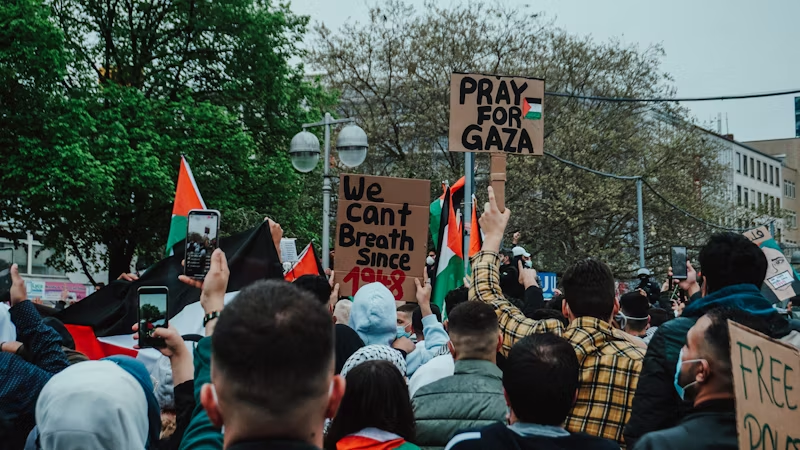
The Trump Gaza Plan, formally titled the “Peace to Prosperity” framework, draws on previous U.S. initiatives while adding new elements aimed at addressing today’s realities. According to the White House archives, it envisions:
Security guarantees for Israel, including control over certain border areas.
A demilitarized Palestinian state, created only after strict conditions are met.
Economic investment in Palestinian territories, backed by international donors.
Recognition of Jerusalem as Israel’s undivided capital, with a separate capital for Palestine in outlying neighborhoods.
Land swaps and infrastructure projects to link Gaza and the West Bank.
Supporters argued that it combined security with economic opportunity, while critics saw it as tilted heavily in Israel’s favor.
The 20-Point Proposal to End the Gaza War
In 2025, Trump expanded his Middle East policy by presenting a 20-point proposal to resolve the ongoing war in Gaza. As reported by PBS, the plan included:
A permanent ceasefire supervised by international monitors.
The dismantling of Hamas’ military infrastructure.
Security cooperation between Israel and neighboring Arab states.
A timeline for Palestinian elections under international oversight.
An eventual pathway to Palestinian statehood contingent on meeting governance and security benchmarks.
The plan aimed to break the cycle of war by eliminating immediate threats while offering long-term political solutions.
A 21-Point Pathway to a Palestinian State
According to The Times of Israel, a related 21-point framework circulated among U.S. diplomats detailed additional steps, such as:
International aid to rebuild Gaza under strict monitoring.
Normalization of ties between Israel and Arab states, following the Abraham Accords model.
Regional economic projects to integrate Palestinians into broader Middle Eastern trade.
This version attempted to address both humanitarian needs in Gaza and political disputes over statehood.
Old Ideas, New Packaging
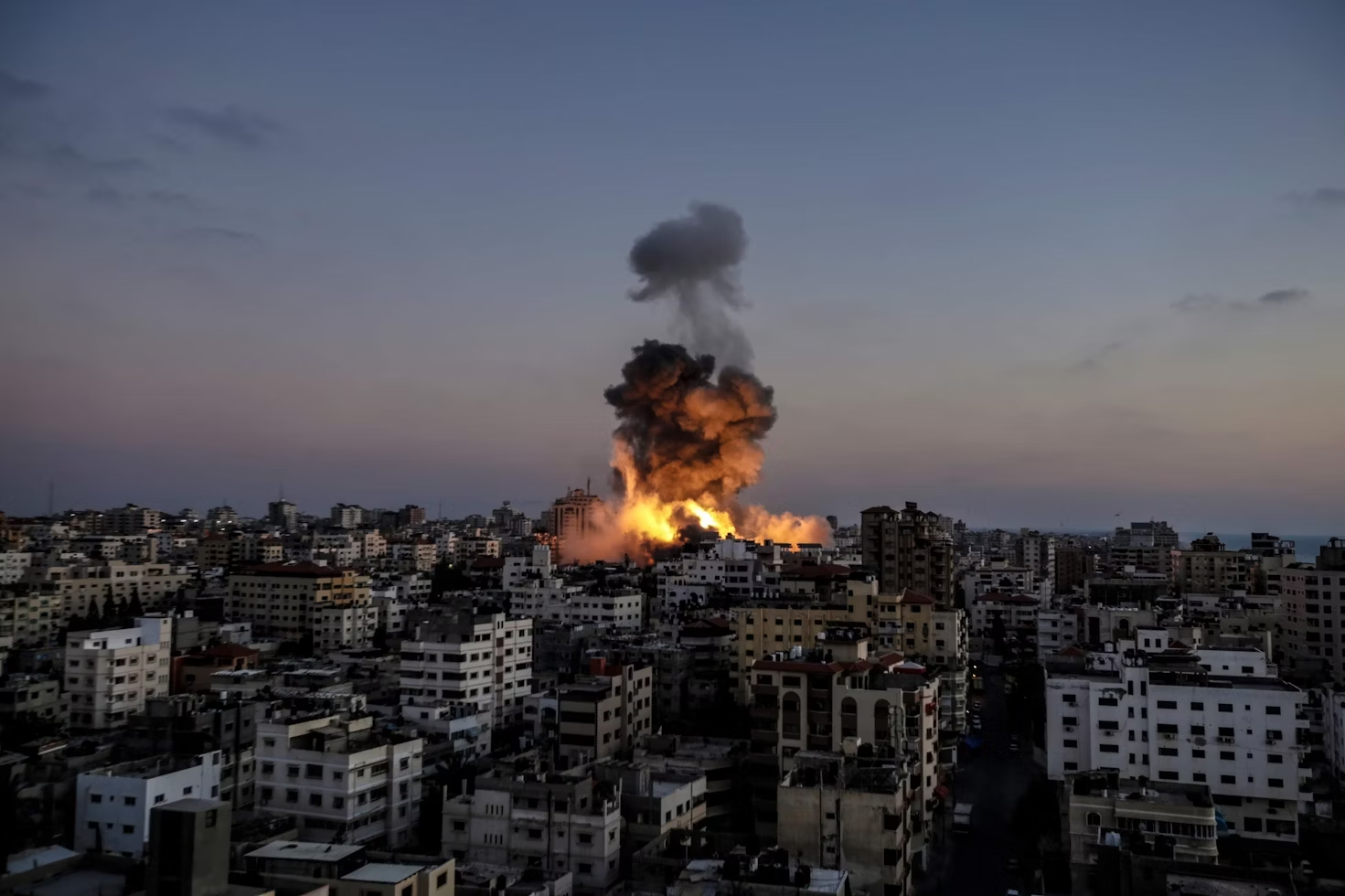
Critics noted that while the Trump Gaza Plan was branded as innovative, many of its components echoed earlier peace efforts. As The Conversation explained, the plan combined:
Old features such as demilitarization and territorial compromise.
New elements like large-scale investment projects.
Persistent stumbling blocks including the status of Jerusalem and Palestinian sovereignty.
The plan’s reliance on economic incentives drew skepticism from Palestinian leaders, who argued that political rights could not be traded for promises of investment.
The Sticking Points
Like earlier U.S. peace initiatives, the Trump Gaza Plan faced immediate obstacles:
Jerusalem: Palestinians reject recognizing Jerusalem as Israel’s undivided capital.
Right of return: The plan offered no recognition of Palestinian refugee claims.
Trust deficit: After years of failed negotiations, both sides doubted U.S. neutrality.
Hamas: The group remained outside formal negotiations, undermining enforceability.
Without addressing these issues, critics warned the plan risked joining the long list of failed peace efforts.
Supporters See a Breakthrough
Despite criticism, Trump allies portrayed the plan as a necessary reset. Supporters pointed to:
Regional buy-in: Some Arab states welcomed the initiative as a chance to stabilize the region.
Security focus: Israel’s guarantees were seen as critical for any sustainable peace.
Economic logic: Investments in infrastructure, trade, and jobs could reduce support for militant groups.
These arguments reflected Trump’s belief in deal-making—using leverage and incentives to achieve political outcomes.
Why the Trump Gaza Plan Matters
The significance of the plan goes beyond Gaza. It reflects broader themes in Trump Middle East policy:
Prioritizing alliances with Israel and Arab states that oppose Iran.
Shifting peace efforts from bilateral talks to regional diplomacy.
Framing economic development as a substitute for immediate political concessions.
As the BBC noted, the plan reinforced Trump’s transactional approach to foreign policy—treating diplomacy as negotiation rather than mediation.
Implications for U.S. Politics
The Trump Gaza Plan also plays a role in U.S. domestic politics:
Foreign policy legacy: Trump has long sought to brand himself as a peacemaker in the Middle East.
Election impact: A strong stance on Israel appeals to evangelical and conservative voters.
Partisan divide: Democrats and human rights groups criticized the plan as one-sided, reinforcing partisan rifts in U.S. debates over Israel and Palestine.
The plan thus became not only a Middle East blueprint but also a tool in America’s electoral politics.
Will It End the War?

The central question remains: can the Trump Gaza Plan deliver where others failed?
History suggests caution. From the Oslo Accords in the 1990s to the Camp David Summit in 2000 and the Roadmap for Peace in 2003, U.S.-brokered proposals have repeatedly stumbled on the same core issues—Jerusalem, refugees, security, and sovereignty.
Trump’s plan attempted to bypass deadlock with economic incentives and strong regional alliances. But unless both Israelis and Palestinians see it as legitimate, the cycle of war may continue.
The Trump Gaza Plan represents both continuity and change in U.S. Middle East policy. Its emphasis on security and economics reflects Trump’s pragmatic, transactional style. Yet its reliance on old formulas—while sidestepping core disputes—means it may face the same fate as past proposals.
For some, it offers a pathway to peace; for others, it risks entrenching divisions. What is clear is that the plan has reignited debate on how America should engage in the region, and whether peace is truly possible.
As long as the Israel–Palestine conflict endures, the Trump Gaza Plan will remain a reference point in discussions about war, diplomacy, and the possibility of peace in the Middle East.
References
White House Archives. Peace to Prosperity
Times of Israel. U.S. 21-Point Plan for Gaza