
The 2025 New York City mayoral election has quickly become one of the most watched local races in the United States. With the city’s future—on issues such as housing, transit, public safety and inequality—hanging in the balance, three main candidates are vying to lead America’s largest city. This article profiles each major contender, explains the stakes, and offers context for how this election matters not just locally but for U.S. urban governance and democracy.
Why This Election Matters
New York City’s economy, population diversity and global role give the mayor’s office outsized influence.
For voters: this is an opportunity to influence policy on city governance reform, public transit, affordable housing, and crime & policing—all major urban issues.
For democracy: the race reflects shifting coalitions in urban America, the rise of progressive candidates, the role of independents, and the health of one-party dominant cities.
For the 2026 cycle: mayoral leadership in NYC often shapes national urban policy discussion and can influence future political talent and platforms.
Who’s Running: The Main Contenders
Here are the three principal figures in the 2025 New York City mayoral race:
Zohran Mamdani (Democrat)
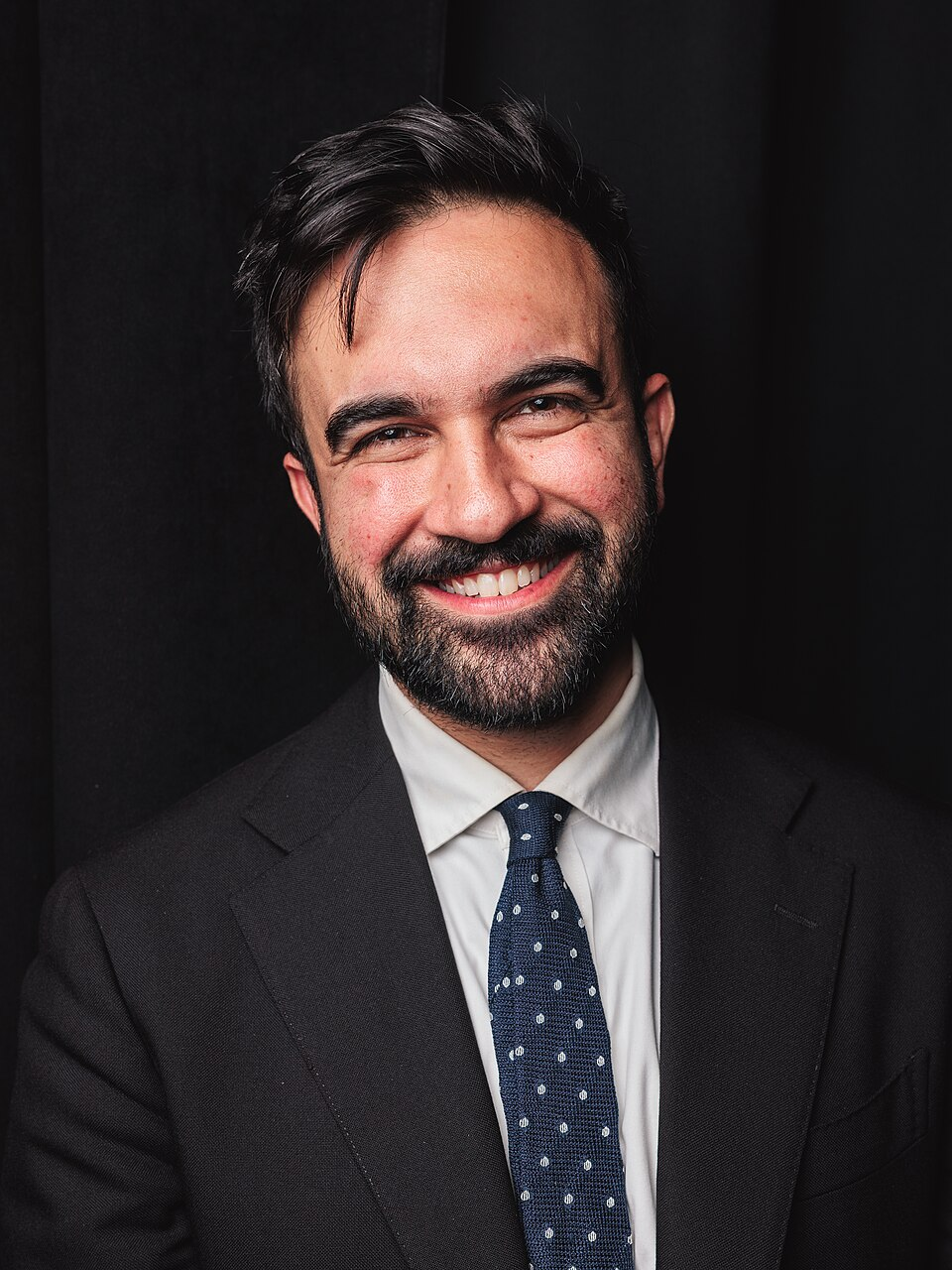
Dmitry Shein, CC BY-SA 4.0 <https://creativecommons.org/licenses/by-sa/4.0>, via Wikimedia Commons
Zohran Mamdani is a progressive state assemblyman who stunned observers by defeating Andrew Cuomo in the June 2025 Democratic primary. TIME+4Wikipedia+4Wikipedia+4
Key facts & vision:
Advocates for policies such as a rent freeze on stabilized housing units, expansion of free public transit (free buses), universal child care, and a minimum wage of $30 by 2030. Wikipedia+2NYHC+2
His campaign emphasises grassroots mobilization, younger voters, and urban reform. A recent poll found him leading at 43.2 % with Cuomo at 28.9 % and Sliwa at 19.4 %. CBS News+1
Strengths: Offers change and a fresh face; appeals to progressive and younger constituencies.
Challenges: Questioned for experience; facing criticism from more moderate voters and opponents who argue his platform is too radical for some NYC sectors.
Andrew Cuomo (Independent)
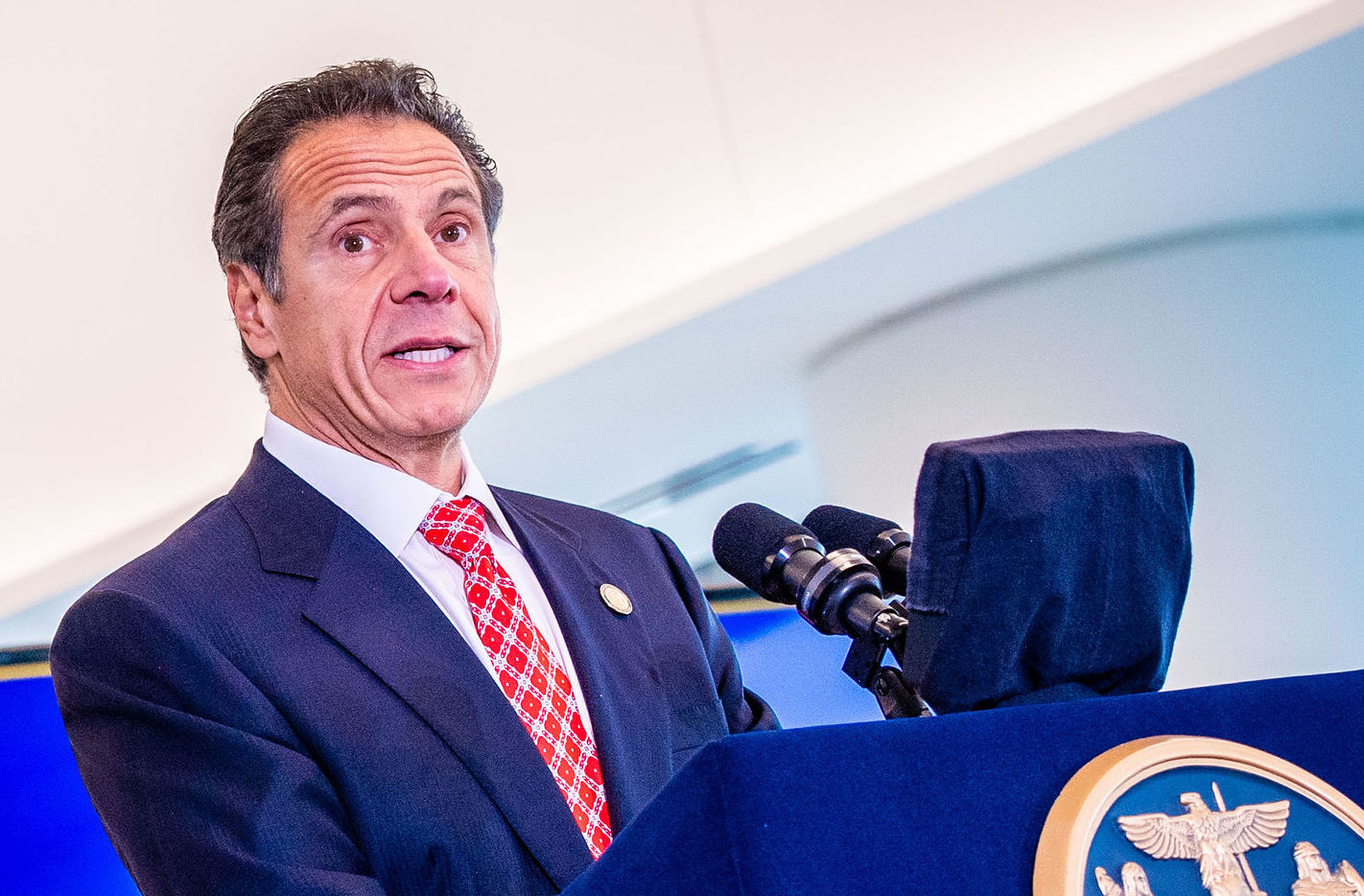
Delta News Hub, CC BY 2.0 <https://creativecommons.org/licenses/by/2.0>, via Wikimedia Commons
Andrew Cuomo, the former New York Governor, lost the Democratic primary but is running on an independent ballot line. Wikipedia+1
Key facts & vision:
Points to his extensive government experience and argues the city needs seasoned leadership.
After losing the primary to Mamdani, Cuomo opted to stay in the race as an independent, complicating the dynamics of the election. AP News+1
Polling: A recent Quinnipiac poll showed Cuomo at 33 % support compared to Mamdani’s 46 %. Quinnipiac University Poll
Strengths: Institutional credentials, name recognition, donor network.
Challenges: Past controversies during his governorship may hinder trust; running as an independent splits traditional party lines.
Curtis Sliwa (Republican)
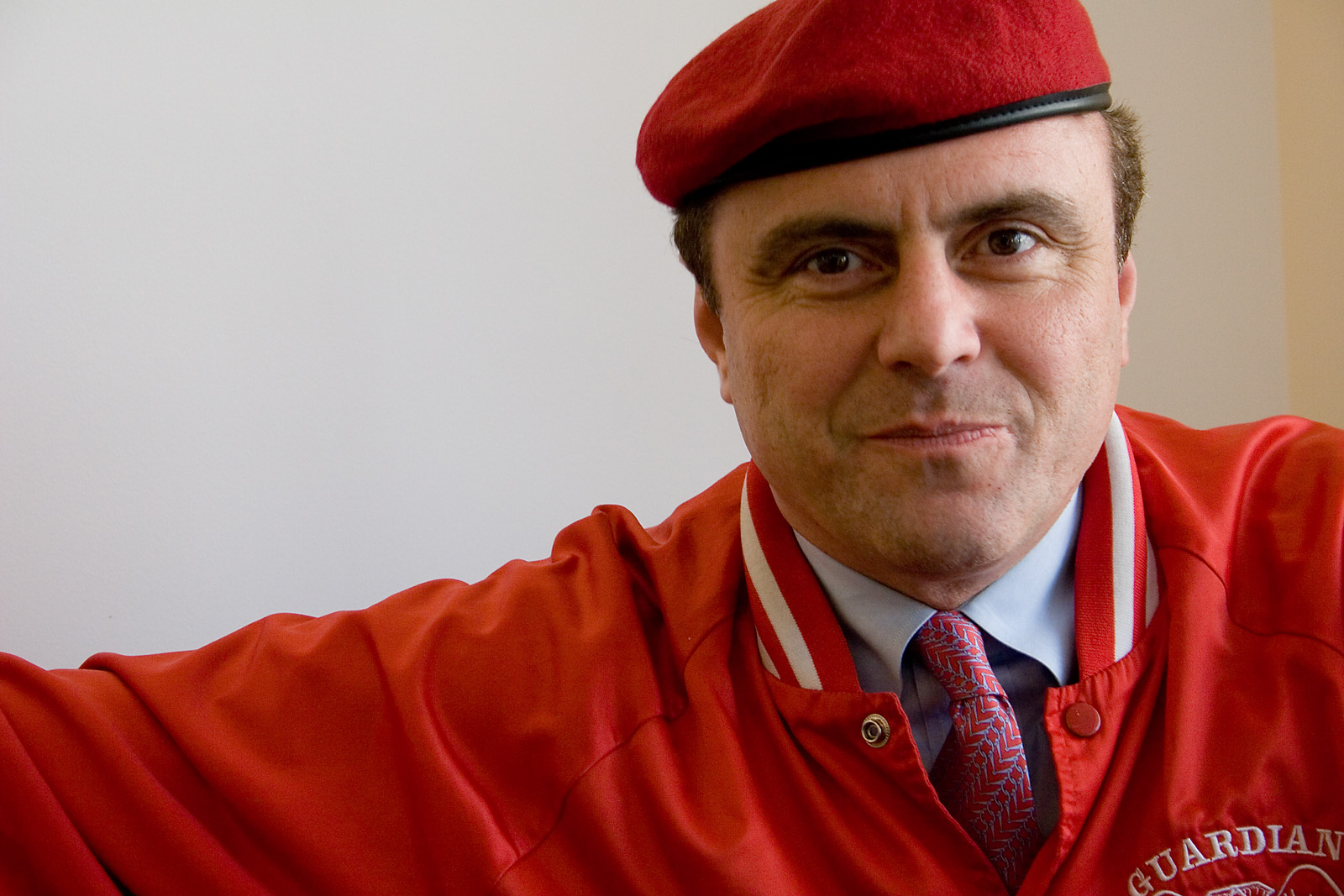
Mahmood Al-Yousif from Manama, Bahrain, CC BY 2.0, via Wikimedia Commons
Curtis Sliwa is the Republican candidate, previously a perennial candidate and founder of the Guardian Angels, and the GOP nominee in NYC’s 2021 mayoral race. Wikipedia+1
Key facts & vision:
Emphasises “law and order,” public safety, and more conservative approaches to city governance.
Polling places him third in the race: A poll showed Sliwa at 19.4 % behind Mamdani and Cuomo. CBS News+1
Strengths: Clear ideological contrast for voters dissatisfied with status quo.
Challenges: In NYC’s heavily Democratic context, GOP candidates historically face steep hurdles; name recognition although significant may not suffice.
Key Policy Battlegrounds
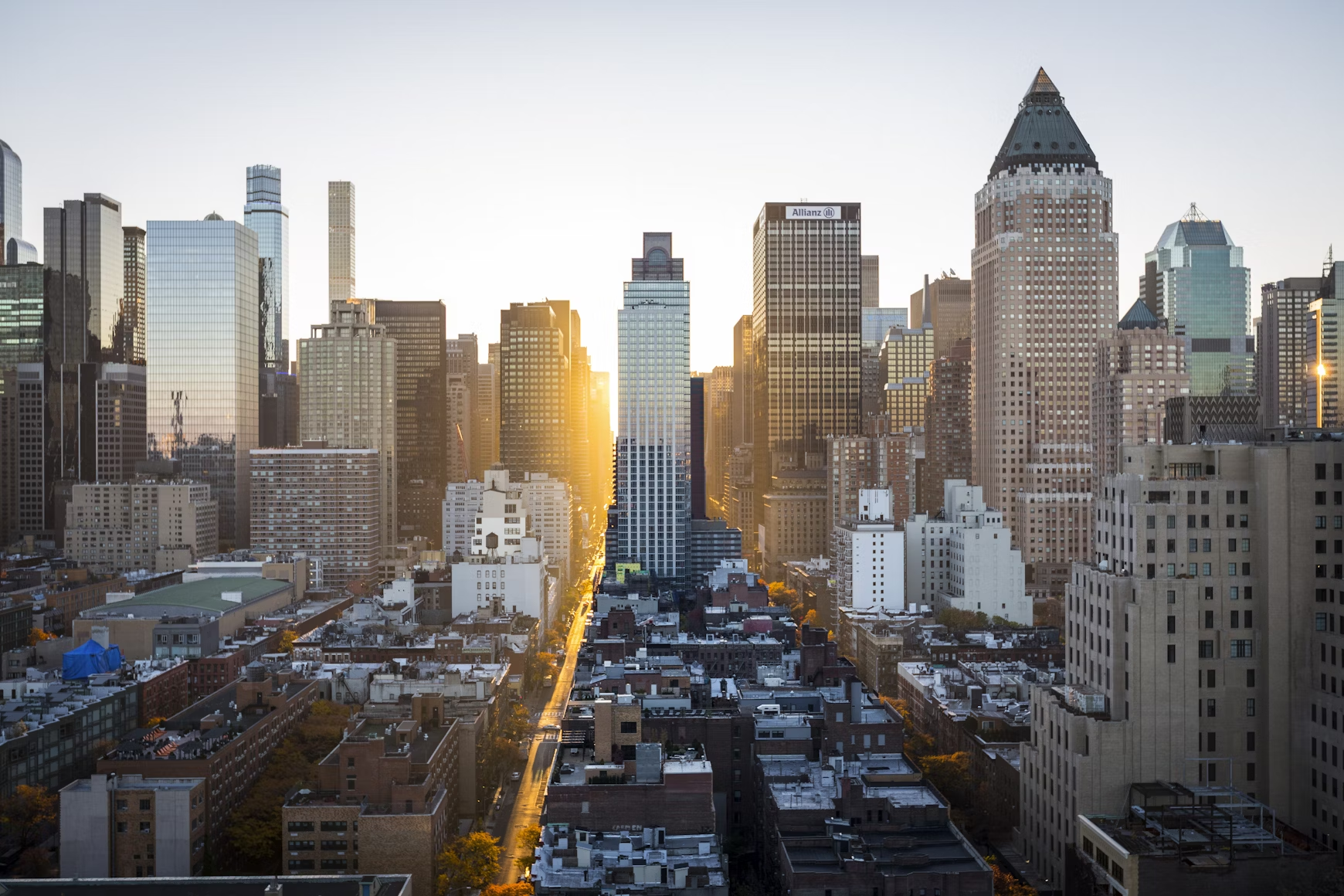
Here’s how each candidate’s vision stacks up on critical issues:
| Issue | Mamdani | Cuomo | Sliwa |
| Affordable Housing & Rent | Freeze on rent-controlled units; large public housing investment. Wikipedia+1 | Emphasises housing reform, but less radical than Mamdani. City & State New York | Focuses less on housing reform, more on market solutions and public safety. Wikipedia |
| Public Transit & Mobility | Free city bus service, exploring fare-free options. Wikipedia+1 | Talks restructuring transit to boost efficiency. City & State New York | Focuses on safety in transit, less on fare reform. |
| Public Safety & Crime | Advocates community-based reforms, reimagined policing. NYHC | Leverages executive experience in government to manage public safety. City & State New York | “Tough on crime” platform, emphasises stronger policing and enforcement. Wikipedia |
| Economy & Taxation | Proposes tax on million-dollar earners, corporate reforms. Wikipedia | Corporate tax reform, economic recovery focus. Quinnipiac University Poll | Emphasizes business freedom, law-and-order climate. |
| Governance & Experience | Younger, less executive experience, emphasises reform. | Seasoned executive, high profile but with baggage. | Business/media background, outsider appeal but less traditional government track record. |
Polling & Voter Trends
An AARP/Gotham Poll (Oct 20, 2025) placed Mamdani at 43.2 %, Cuomo at 28.9 % and Sliwa at 19.4 %. CBS News
A Quinnipiac University poll found Mamdani leading with 46 %, Cuomo 33 %, Sliwa 15 % among likely voters. Quinnipiac University Poll
Early voting turnout is exceeding previous cycles, signalling greater engagement. CBS News+1
Implication: Mamdani holds a clear lead, but Cuomo’s independent bid and Sliwa’s presence mean the outcome remains uncertain. Voter turnout, minority blocs, borough-based turnout will be decisive.
When and How to Vote
The general election is scheduled for Tuesday, November 4, 2025. Early voting runs from October 25 to November 2 across all five boroughs.
Registered voters can confirm their status and find polling sites at the NYC Votes website. Additional election guidance is available through the New York State Board of Elections.
The city uses a first-past-the-post system, meaning the candidate with the most votes wins.
The Stakes for America’s Largest City
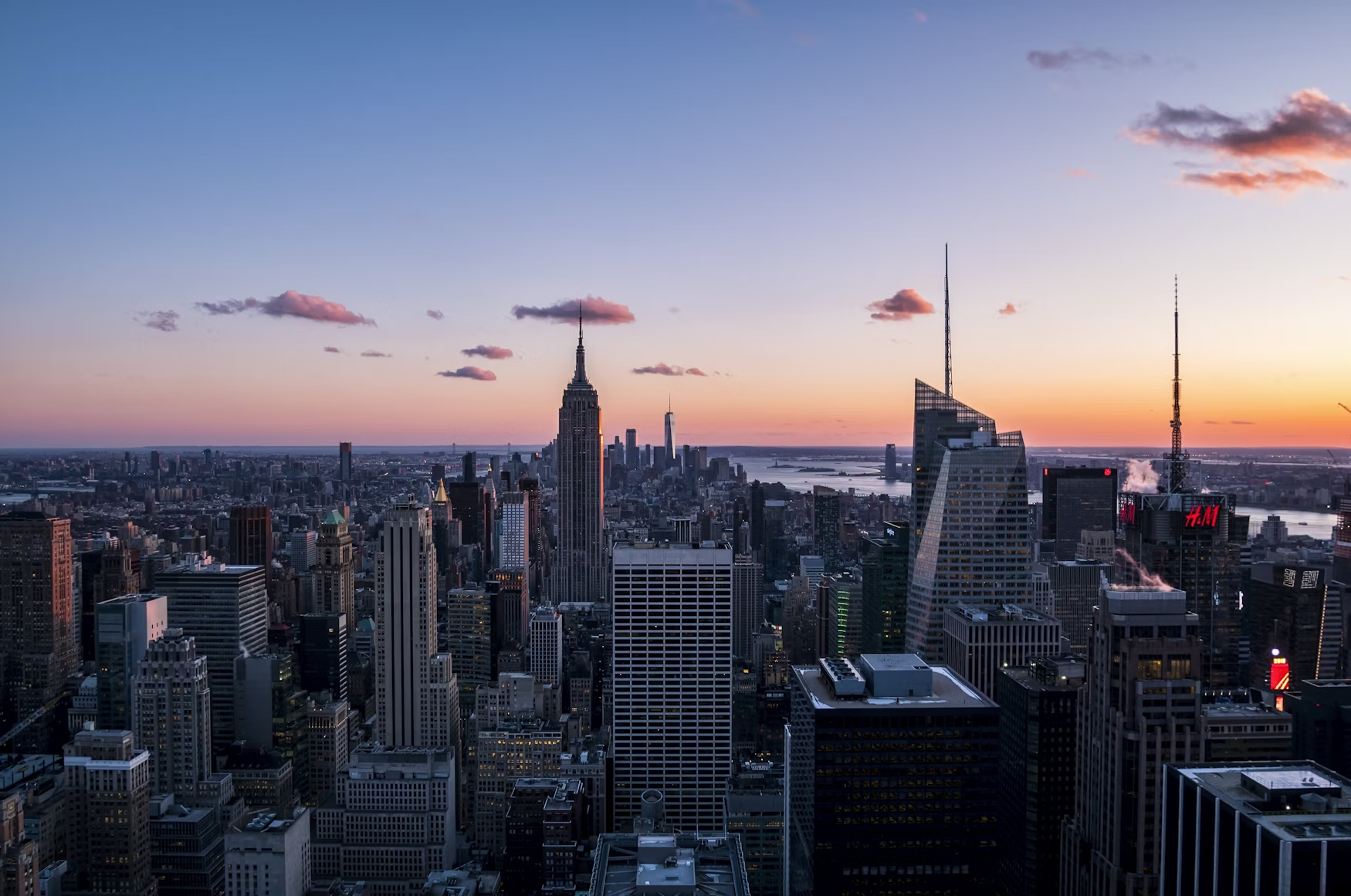
The 2025 New York City mayoral election isn’t just a local contest—it’s a reflection of America’s urban future. Mamdani’s progressive momentum, Cuomo’s centrist bid, and Sliwa’s conservative comeback represent three competing visions for how cities should balance safety, equity, and growth.
As global attention turns to the outcome, one thing is certain: whichever path New York takes will echo far beyond its borders, shaping national debates on housing, transit, and democratic accountability for years to come.
Why It Matters:
New York City sets the tone for urban policy nationwide. How this election plays out will influence not only the lives of 8 million plus New Yorkers, but will echo in discussions of urban governance, inequality and democracy across the United States.
References:
PBS NewsHour. Live Results: New York City 2025 Mayoral Election.
BBC News. Who’s Running New York? Inside the 2025 Mayoral Race.
NYC Votes. All Important Dates.
New York State Board of Elections. Candidate Information.
City of New York. Mayor’s Office: City Leadership and Initiatives.
CBS News. Meet the NYC Mayoral Candidates Running in 2025.
Quinnipiac University. New York City Mayoral Poll October 2025.
City & State NY. Here’s Who’s Running for Mayor of New York City in 2025.
Wikipedia. 2025 New York City Mayoral Election.