
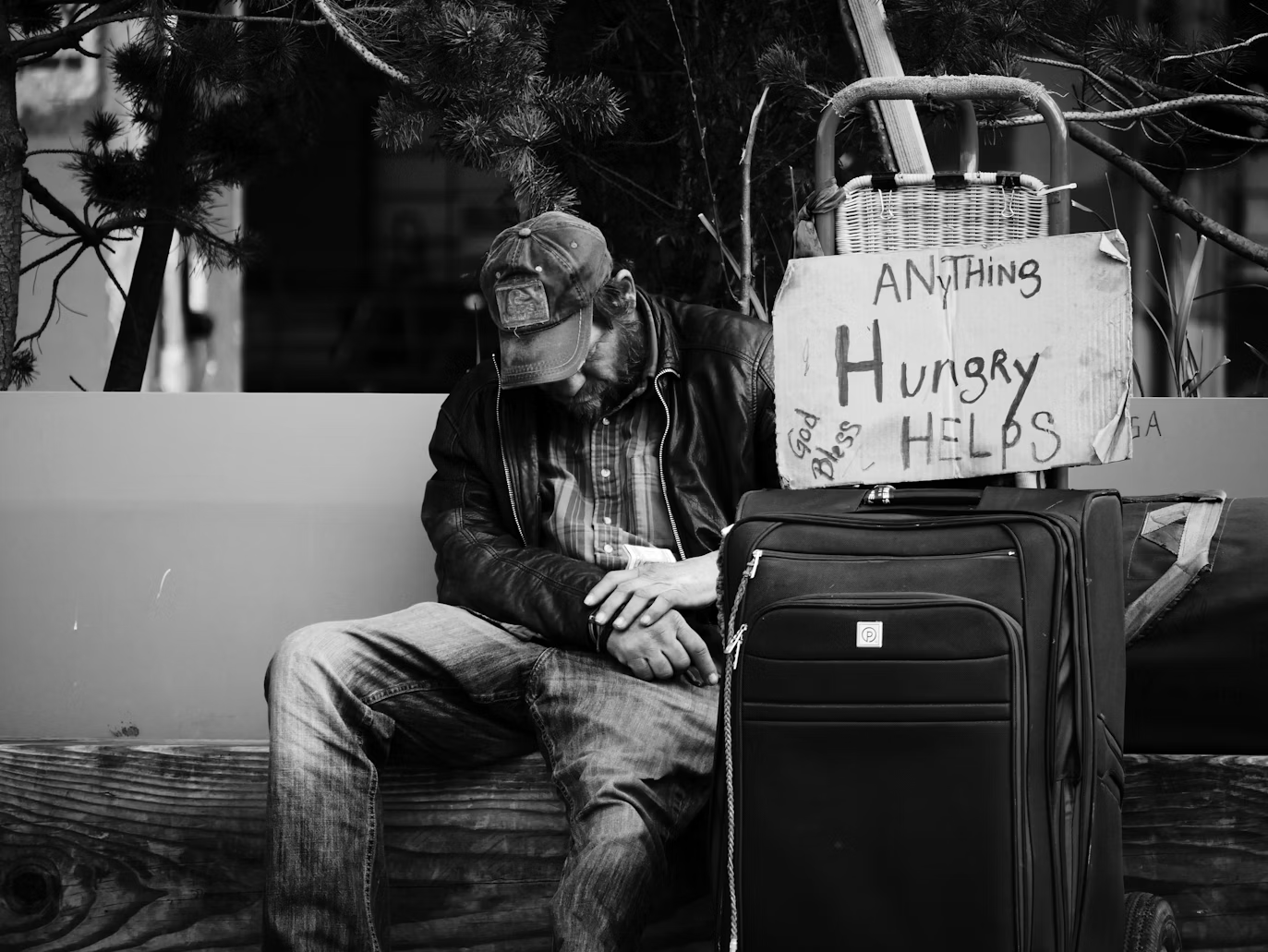
The ongoing U.S. government shutdown has evolved from a political standoff into a humanitarian threat. As federal funding lapses, the Supplemental Nutrition Assistance Program (SNAP) faces unprecedented strain, leaving millions of Americans at risk of hunger.
What was once a temporary inconvenience for federal workers now represents a deeper crisis, a moment when the government’s inability to act puts the nation’s most vulnerable at risk. With SNAP cuts looming, this November could become the month when food insecurity replaces ideology as the real measure of government failure.
SNAP’s Fragile Lifeline: A Quick History of Food Aid in Shutdown Shadows
The Supplemental Nutrition Assistance Program (SNAP) originated from a 1964 pilot food-stamp program under the U.S. Department of Agriculture. Designed to fight hunger and stimulate local economies, it now serves over 42 million Americans, about 12 percent of the U.S. population, across 22 million households.
Historically, shutdowns like those in 1995, 2013, and 2018–2019 revealed deep vulnerabilities in the program’s structure. During those periods, temporary appropriations barely kept SNAP running. In 2013, states were warned to prepare for suspended payments. Today, contingency reserves are nearly depleted, leaving the system fragile once again.
This shutdown highlights an old flaw: SNAP was never built to endure prolonged federal paralysis. When Congress halts spending, so does hunger relief. What should be a permanent safety net becomes a hostage to politics.
Source: USDA Food and Nutrition Service. A Short History of SNAP, Peter G. Peterson Foundation. What Is SNAP?, USAFacts. Everything You Need to Know About a Government Shutdown.
November 1 Blackout: The Day EBT Cards Go Dark and Families Enter Survival Mode
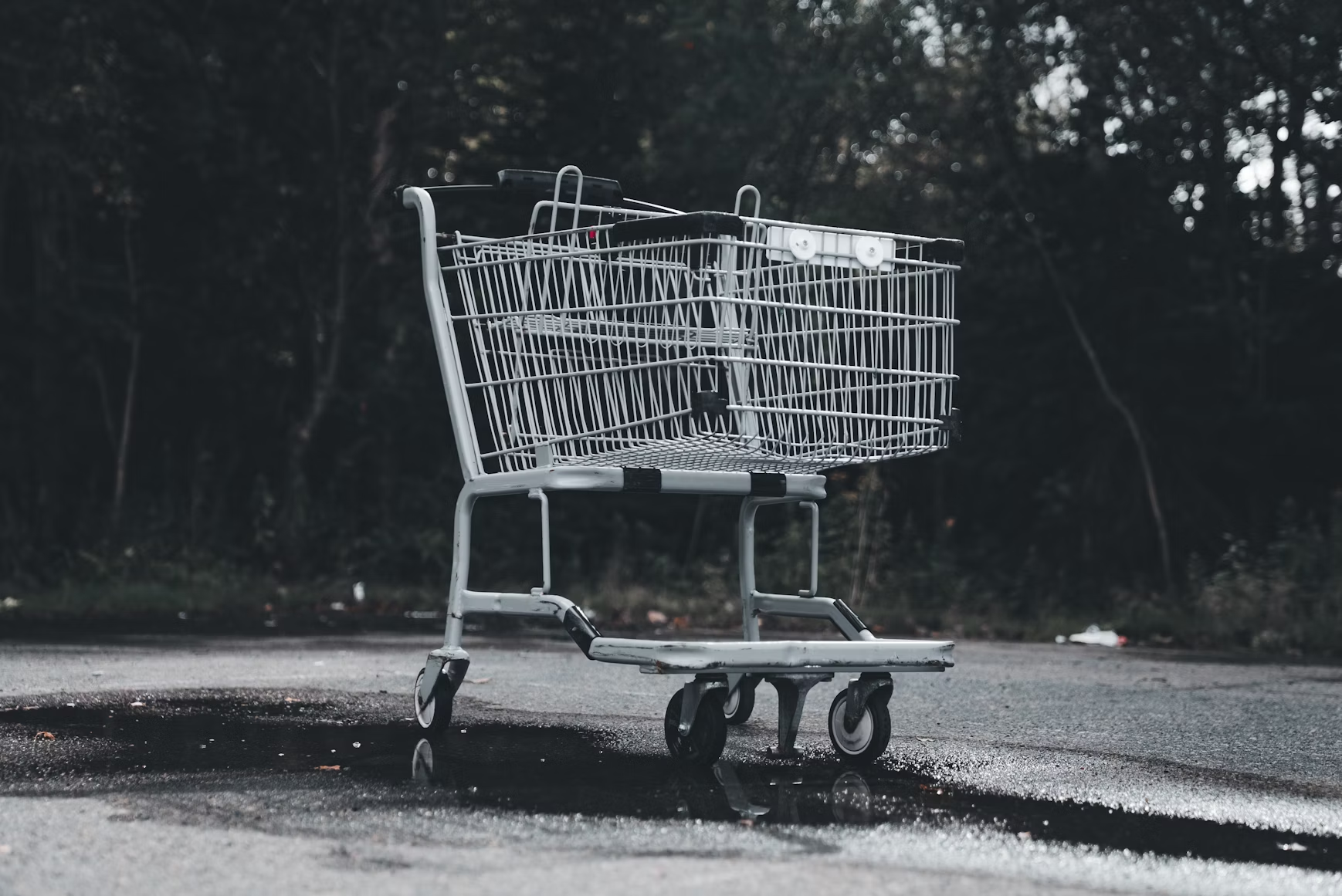
Without congressional funding, SNAP benefits may expire at the start of November—leaving an estimated $8 billion shortfall for 42 million users. The EBT blackout means families in food deserts, single parents, veterans, and seniors will suddenly find their digital cards empty.
The U.S. Department of Agriculture warned state agencies that if the shutdown persists, it will have “limited remaining funds” for benefits beyond October. States are preparing differently—some with contingency plans, others without. The result will be uneven: a patchwork of survival depending on where families live.
A Factually.co review confirmed that “major nutrition services including SNAP, WIC, and school meal programs could be disrupted within weeks” if funding remains frozen. In short, this is not a distant policy debate—it’s an immediate crisis.
When EBT cards stop working, grocery lines shorten not because food is plentiful, but because hunger has gone silent.
Source: Politifact. SNAP food stamps and the government shutdown, Factually. How does the 2025 government shutdown impact social programs?.
Invisible Scars: Health, Education, and Community Breakdowns from Hunger’s Grip

Hunger is not only a matter of empty plates—it’s an assault on health, education, and community stability. Studies show that food insecurity increases hospital admissions, worsens chronic illness, and raises healthcare costs. For children, it delays cognitive development and leads to lower test scores, higher absenteeism, and reduced graduation rates.
Forbes reported in October 2025 that “SNAP benefits could expire on November 1, leaving millions hungry and sick, and overwhelming hospitals and healthcare facilities.” The Food Research & Action Center (FRAC) adds that hunger disproportionately affects communities of color, rural households, and disabled veterans—magnifying inequality.
This humanitarian fallout also weakens American democracy. When families lose faith that their government can feed their children, trust collapses. Recent polling by RealClearPolling found congressional approval ratings at record lows during the shutdown, while 67 percent of Americans blame both parties for “failing ordinary people.”
The invisible scars of this hunger crisis will outlast the shutdown itself.
Source: Forbes. SNAP Benefits at Risk Due to Government Shutdown, Food Research & Action Center. State-by-State Analysis on SNAP Participation, RealClearPolling. Congressional Job Approval Hardest Hit During Government Shutdown.
Voices from the Edge: Real Stories of SNAP Users Facing the Shutdown Arena
Beyond statistics are the lived experiences of those struggling to survive.
A mother in Detroit told ABC News she’s unsure if her SNAP card will work next month. “I already stretch meals. If this stops, I’ll have nothing to feed my kids.” In Texas, food pantries report a 40 percent surge in demand since the start of the shutdown. Rural veterans in Tennessee say they’re “choosing between medication and groceries.”
These stories capture the emotional toll—fear, exhaustion, and anger—that no chart can quantify. They also illustrate the political consequences. Disillusioned citizens who feel ignored may disengage from voting or swing their support toward outsiders promising reform.
This is where hunger meets democracy: when people lose access to food, they lose faith in government itself.
Source: ABC News. How the prolonged government shutdown impacts food-insecure families.
Rebooting Resilience: Grassroots Fixes and Voter Backlash to Avert Future Famines
Communities are not waiting for Washington. Food banks, churches, and mutual aid networks are mobilizing to fill the gaps. Some states are exploring contingency funds to maintain benefits during future shutdowns, while nonprofits are calling for SNAP carve-outs—automatic funding protections independent of congressional appropriations.
Politically, the hunger crisis may ignite electoral consequences. A Politico poll (October 2025) found 89 percent of Americans view the shutdown as a serious problem, and 65 percent oppose using it as a bargaining tactic. Voters are signaling fatigue with gridlock that punishes the poor.
If policymakers fail to learn from this, the 2026 elections could become a referendum on compassion versus control. Hunger is no longer an invisible issue—it’s the nation’s moral barometer.
Source: Politico. Americans’ feelings on government shutdown, New York Post. Two-thirds of Americans oppose a government shutdown.
The Real Collapse
The U.S. government shutdown has exposed a fragile truth: hunger, not politics, will define the limits of American resilience.
The November SNAP crisis reveals what happens when a democracy fails to protect its people’s most basic need. The human collapse isn’t a sudden fall, it’s the slow, quiet erosion of trust, hope, and stability.
If there is a lesson for policymakers and voters alike, it’s this: budgets can wait, but empty stomachs cannot.
References
USDA Food and Nutrition Service. A Short History of SNAP
Peter G. Peterson Foundation. What Is SNAP?
Center on Budget and Policy Priorities. The Supplemental Nutrition Assistance Program (SNAP)
Brookings Institution. What Is a Government Shutdown and Why Are We Likely to Have Another One?
Forbes. SNAP Benefits at Risk Due to Government Shutdown
New York Post. Two-thirds of Americans oppose a government shutdown
RealClearPolling. Congressional Job Approval Hardest Hit During Government Shutdown
Food Research & Action Center. State-by-State Analysis on SNAP Participation

- What Is Actually Happening in France Right Now, and Why It Matters for the Race to Replace Macron - October 19, 2026
- How a 1971 Supreme Court Case Still Decides Who Makes Your Local Ballot - October 14, 2026
- The Supreme Court Is About to Decide a Major Voter Roll Case. Here Is the Timeline That Got Us Here - September 24, 2026