
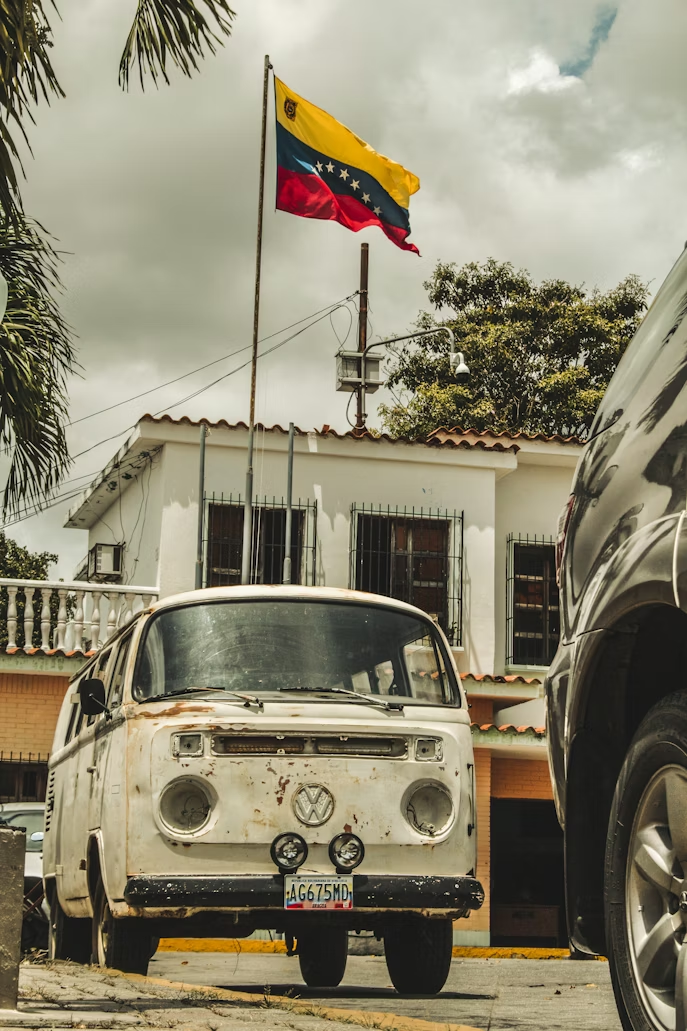
In early January 2026, U.S. authorities announced criminal charges against Nicolás Maduro, the President of Venezuela, escalating a long-running confrontation between Washington and Caracas. According to CBS News, U.S. officials said the charges involve narcotics trafficking and related offenses that federal prosecutors have pursued for several years while Maduro remained in power.
The situation intensified after U.S. officials confirmed that Maduro had been taken into U.S. custody. Legal scholars immediately questioned whether capturing a sitting foreign president complies with international law. In an analysis published by Reuters, experts pointed to head-of-state immunity and state sovereignty as central legal issues. The New York Times described the operation as one of the most aggressive actions taken by the United States against a foreign leader in decades.
These developments raise broader questions that extend beyond a single arrest. Why does Nicolás Maduro matter to the United States? Why have some across Latin America reacted with relief rather than outrage? What strategic value does Venezuela offer? And what legal authority does the United States actually have when dealing with a sitting foreign president?
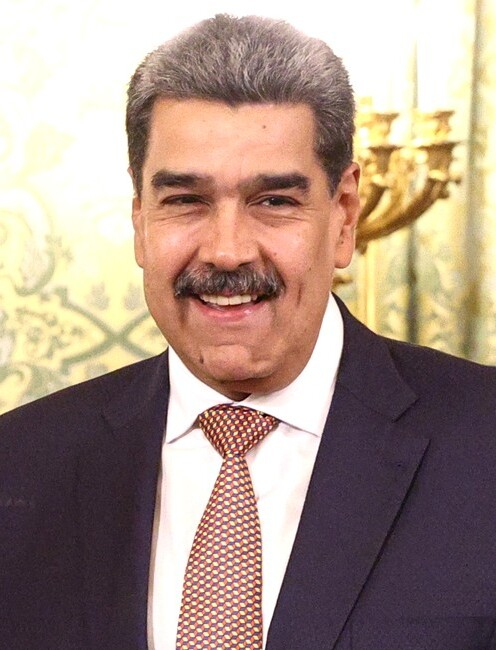
Nicolás Maduro’s Rise and Rule in Venezuelan Politics
Nicolás Maduro rose through Venezuela’s socialist political movement as a close ally of former president Hugo Chávez. He served as foreign minister and later as vice president before Chávez’s death in 2013. Following Chávez’s death, Maduro won a narrowly contested presidential election and assumed office during a period of deep political polarization, as outlined by Encyclopaedia Britannica.
Over time, Maduro consolidated power through control of state institutions, security forces, and courts. International observers and academic institutions repeatedly raised concerns about electoral integrity, judicial independence, and restrictions on political opposition.
Economic conditions worsened significantly during Maduro’s presidency. Hyperinflation, shortages of food and medicine, and the collapse of public services contributed to a mass exodus of Venezuelans, creating one of the largest migration crises in modern Latin American history.
Key facts about Nicolás Maduro’s rule:
Longtime political ally of Hugo Chávez
Served as foreign minister and vice president before becoming president
Elected president in 2013 in a closely contested vote
Centralized authority within courts and security institutions
Presided over severe economic decline
Oversaw large-scale migration from Venezuela
Why Public Sentiment in Latin America Has Shifted
Reactions to recent developments involving Maduro have varied across Latin America, but frustration with Venezuela’s prolonged crisis is widely documented. Countries such as Colombia, Peru, Ecuador, and Brazil absorbed millions of Venezuelan migrants, placing strain on housing, healthcare systems, labor markets, and public services. These regional impacts are outlined in background analysis from George Washington University.
Polling and regional research conducted by nonpartisan institutions show declining confidence in Venezuela’s political leadership over time. For many in the region, signs of Maduro’s weakening authority are viewed less as foreign interference and more as a potential step toward regional stability.
Why some in Latin America express relief or approval:
Migration created sustained economic and social pressure in neighboring states
Governments absorbed long-term costs of Venezuela’s collapse
Prolonged instability disrupted trade and regional security
Democratic backsliding in Venezuela affected regional trust
Why Venezuela Matters to the United States
The Nicolás Maduro United States relationship is shaped by strategic interests rather than ideology. Three factors consistently influence U.S. policy.
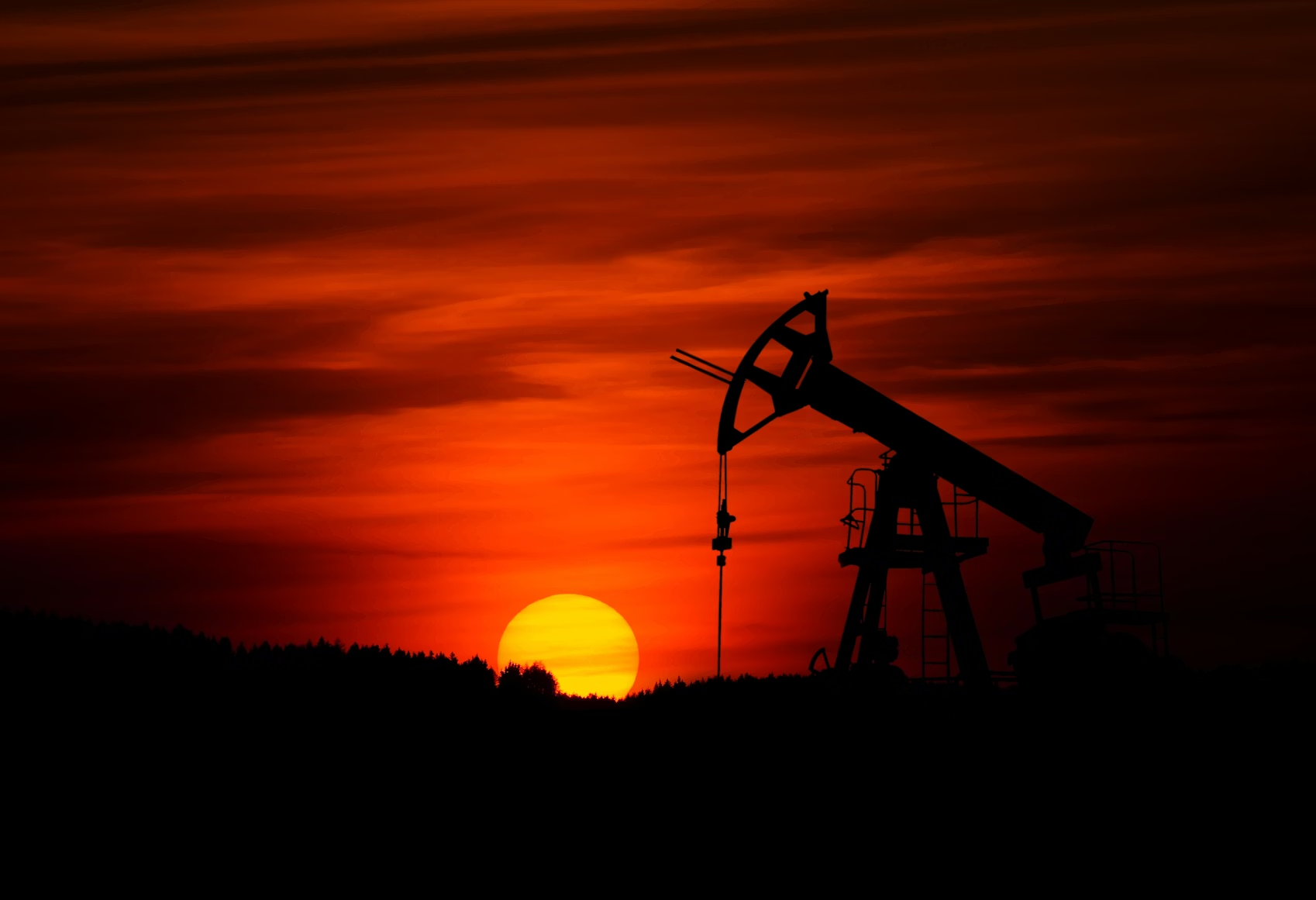
Energy and Natural Resources
Venezuela holds the largest proven oil reserves in the world, according to the U.S. Energy Information Administration. For decades, Venezuelan crude supplied U.S. refineries designed to process heavy oil.
Although sanctions and infrastructure decline sharply reduced production, Venezuela’s long-term energy potential remains significant.
Why oil still matters to U.S. policy:
Venezuela’s reserves are globally significant
U.S. refineries historically processed Venezuelan heavy crude
Energy diversification reduces supply risk during global disruptions
Long-term stability could influence global oil markets
The United States does not currently rely on Venezuelan oil, but Venezuela’s energy capacity remains strategically relevant.
Regional Stability and Migration
Venezuela’s collapse intersects directly with U.S. domestic and regional policy. Migration from Venezuela reshaped population flows across the Western Hemisphere, including at the U.S. southern border. According to the Congressional Research Service, U.S. policy toward Venezuela increasingly overlaps with migration management, humanitarian assistance, and coordination with regional partners.
Geopolitical Competition
As U.S. relations with Venezuela deteriorated, Russia and China expanded financial, military, and infrastructure ties with Caracas. From Washington’s perspective, Venezuela represents a strategic concern within the Western Hemisphere.
Geopolitical considerations include:
Limiting rival power influence near U.S. borders
Preserving diplomatic leverage in the Americas
Maintaining regional balance of power
The Legal Question: Can the U.S. Arrest a Foreign President?
Public debate often confuses political condemnation with legal authority. Under international law, sitting presidents generally enjoy head-of-state immunity.
Guidance from the U.S. Department of State explains that immunity determinations depend heavily on executive branch recognition. U.S. courts defer to the executive branch on whether a foreign leader is recognized as the legitimate head of state.
What U.S. law allows and does not allow:
Allows sanctions, asset freezes, and visa restrictions
Allows diplomatic pressure and multilateral coordination
Does not normally permit arrest of a sitting foreign president
Does not override immunity through domestic criminal statutes
Legal experts cited by Reuters emphasize that the legality of Maduro’s capture remains disputed under international law.
Jurisdictional Limits and Diplomatic Reality
The United States has relied on sanctions, diplomacy, and multilateral engagement rather than arrests. Institutions such as the Organization of American States address Venezuela through resolutions and negotiations, not enforcement.
Why arrest remains legally constrained:
Head-of-state immunity remains in force
Courts defer to executive recognition
Arrest without host-nation consent violates sovereignty
Multilateral institutions lack enforcement authority
Why It Matters
Nicolás Maduro’s importance to the United States reflects more than the fate of one leader. His presidency shaped Venezuela’s political collapse, triggered regional migration, and placed the country at the center of U.S. energy and security considerations. The recent legal and diplomatic developments underscore how U.S. interests intersect with strict international limits on arresting a sitting foreign president, highlighting the tension between enforcement efforts and longstanding principles of sovereignty.
References
CBS News.Trump administration announces charges against Venezuela’s Nicolás Maduro
Reuters.Was the U.S. capture of Venezuela’s president legal?
The New York Times.U.S. Takes Nicolás Maduro Into Custody, Raising Legal Questions
Encyclopaedia Britannica.Nicolás Maduro
Congressional Research Service.Venezuela: Background and U.S. Relations
U.S. Energy Information Administration.Venezuela Country Analysis
George Washington University.U.S. and Venezuela Relations: Media Tip Sheet
U.S. Department of State.Diplomatic and Consular Immunity: Guidance for Law Enforcement and Judicial Authorities
U.S. Mission to the Organization of American States.U.S. Remarks: Update on the Situation in Venezuela

- Five Myths About How the Electoral College Actually Works - September 29, 2026
- Why Does the President’s Party Almost Always Lose Seats in the Midterms? - September 9, 2026
- Why Is Congress Racing to Fund the Government Before the Midterms? - August 31, 2026