
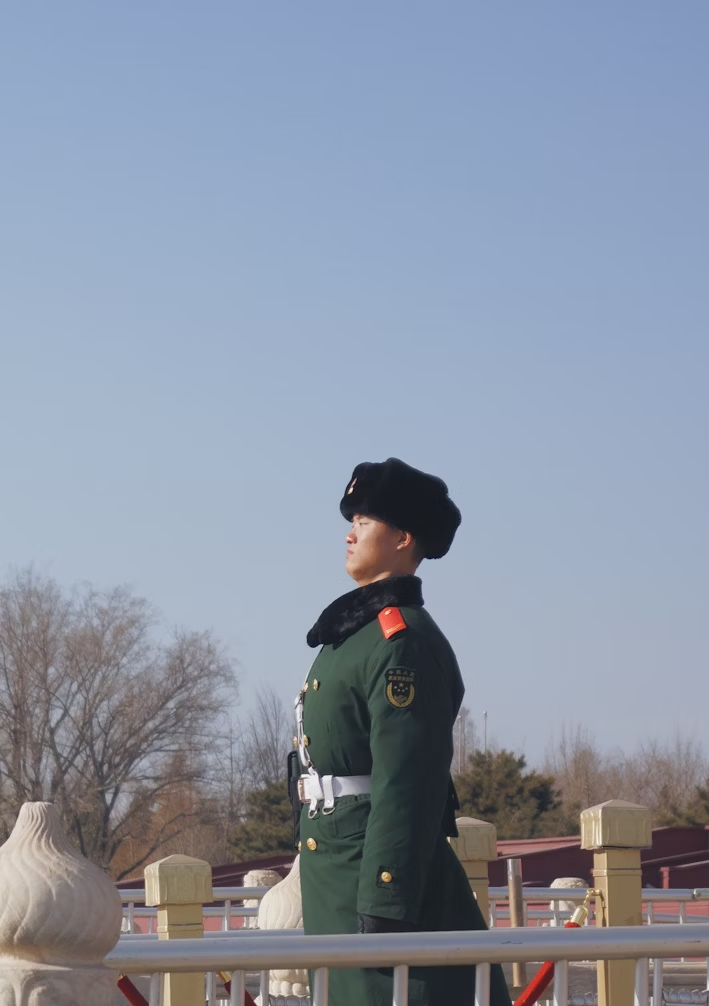
In early October 2025, a Chinese fighter jet intercepted a Canadian reconnaissance plane flying over the Yellow Sea, a routine mission tracking North Korean sanctions violations. The encounter, captured by CBS News cameras on board was more than just a tense military moment. It symbolized a shift in global power.
While the United States and Europe debate internal politics and fund multiple conflicts, China projects quiet strength. It intercepts, observes, and builds.
As America and Europe wage wars of politics, China is buying the world piece by piece, port by port, server by server.
The West in Conflict: Political, Economic, and Ideological Wars

From Washington to Brussels, internal battles consume the democratic West.
In the U.S., Congress is paralyzed by partisanship, foreign aid disputes, and investigations that dominate headlines more than policy outcomes.
In Europe, nations are split over migration, energy dependence, and funding Ukraine’s defense.
While Western democracies argue, China’s Communist Party moves without delay investing billions in infrastructure abroad while parliaments argue over budget ceilings and climate bills.
China’s Expanding Footprint: The Empire Without an Army
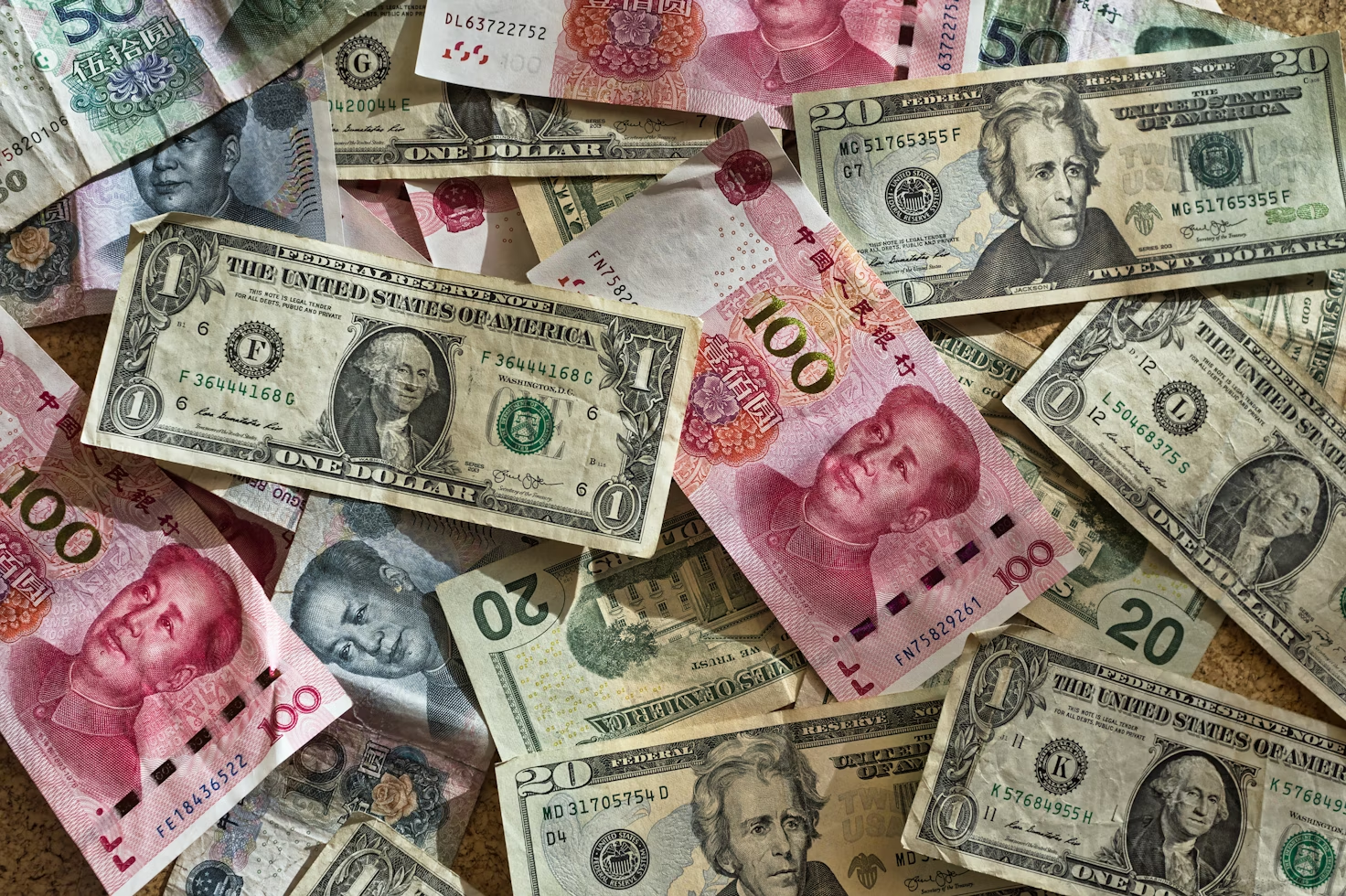
Through the Belt and Road Initiative (BRI), Beijing has invested in over 150 countries, constructing ports, highways, railways, and digital networks that bind economies to Chinese influence.
- In Africa, China owns or operates more than 40 ports and dominates rare earth mining.
- In Southeast Asia, it builds railways linking Laos and Thailand.
- In Europe, ports in Greece and Italy serve as maritime gateways for Chinese trade.
Critics call it “debt diplomacy”; Beijing calls it “shared prosperity.” Either way, it works — China now controls or has stakes in critical infrastructure across continents.
When Diplomacy Meets Deterrence: The Canadian Plane Incident
The recent interception of a Canadian surveillance aircraft reveals how far Beijing is willing to assert dominance.
According to Newsweek and CBS News, the Chinese jet flew dangerously close to the Canadian plane. Rather than apologizing, Beijing framed the move as defensive action.
This demonstrates China’s growing confidence and the West’s strategic dilemma — reacting while Beijing redefines the rules of engagement.
Economic Warfare — Buying What Others Fight Over
As the Australian Financial Review noted, “China sits back and watches Trump wage a trade war on allies.”
The U.S.–China trade war, meant to “decouple” economies, has ironically fueled China’s internal innovation. The Information Technology and Innovation Foundation (ITIF) reports that China is now a leader in advanced industries from semiconductors to renewables.
Europe faces a double bind. The University of Navarra’s Global Affairs analysis calls China both a “risk and opportunity” for EU economies.
Technology — The New Territory of Power

A report by the Mercator Institute for China Studies (MERICS) shows that China has become a global innovation hub despite export bans.
Meanwhile, the Center for European Policy Analysis (CEPA) warns that Europe and the U.S. risk falling behind without closer cooperation.
Beijing’s advantage: one direction, no debate. Where Western governments must justify every tech budget, China executes 10-year plans with precision.
As America and Europe wage wars of politics, they are caught in cycles of division, economic strain, and ideological conflict. While Western leaders debate policies and fund multiple crises, China builds, buys, and advances — quietly reshaping the global balance of power.
Through the Belt and Road Initiative, Beijing extends its influence across Africa, Asia, and Europe by financing ports, railways, and digital infrastructure. Recent events like the Chinese interception of a Canadian surveillance plane reveal growing confidence in asserting regional dominance.
While the West focuses on sanctions, elections, and military spending, China turns economics into power. Studies from ITIF, MERICS, and University of Navarra Global Affairs show that it now leads in technology, green energy, and advanced manufacturing, steadily reducing reliance on the West.
In this new era, the West fights visible wars, but China is winning the invisible one, through trade, technology, and time.
References:
Newsweek. Chinese Jets Intercept Canadian Plane Tracking North Korea Ships
Reddit/CBS News. On Board as Chinese Jets Intercept Canadian Plane
Australian Financial Review. China Sits Back and Watches Trump Wage Trade War on Allies
Center for European Policy Analysis (CEPA). Tech 2030: A Roadmap for Europe-U.S. Tech Cooperation

- Early Voting Just Started for the 2026 Midterms, and the Story Behind It Goes Back Further Than You’d Think - September 18, 2026
- When Elections End in a Dead Heat: The Wild (and Totally Legal) Ways America Breaks a Tie - August 19, 2026
- China vs America AI 2026: The Race That Closed Overnight and the Election Claim That Divides Washington - July 21, 2026