
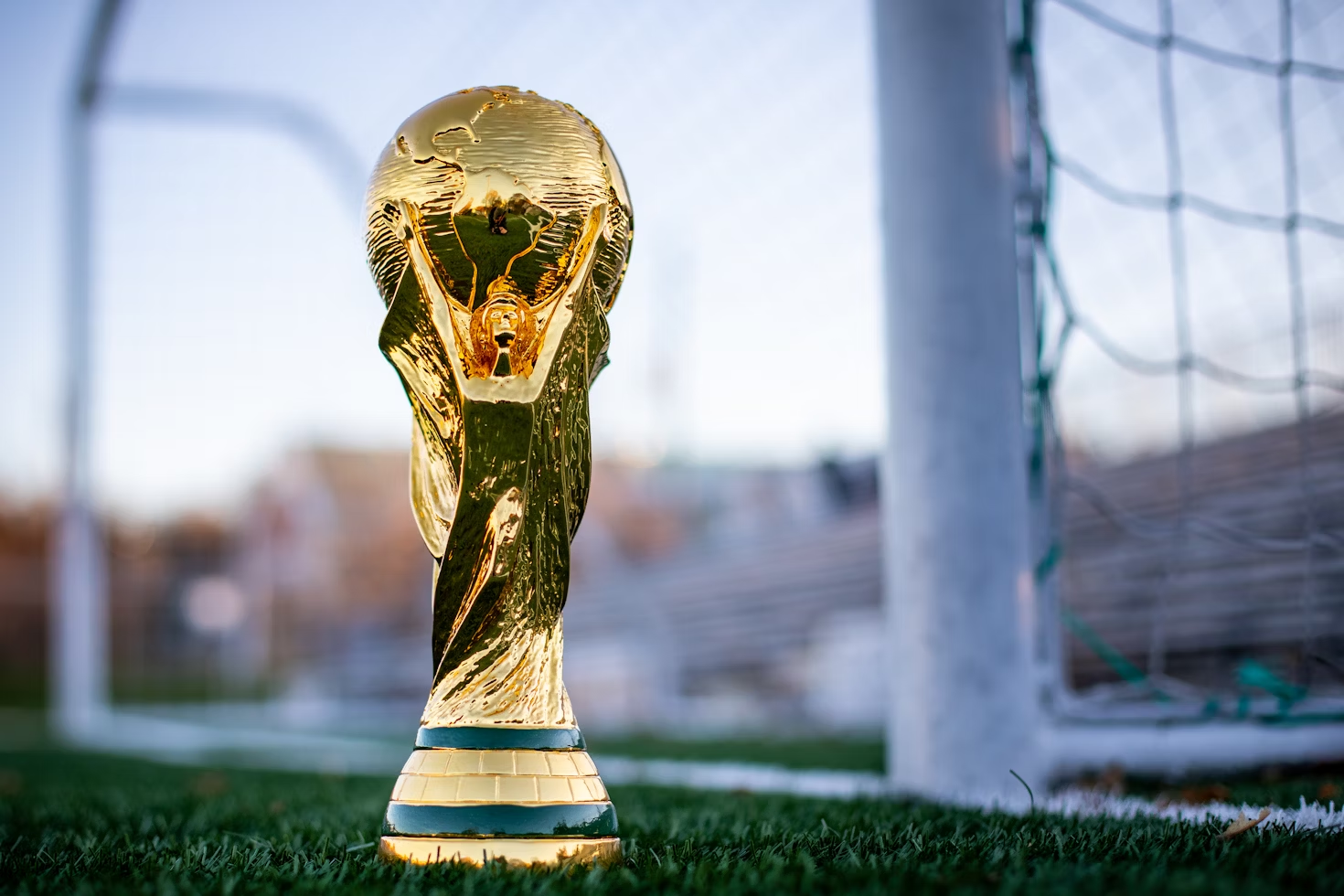
When President Donald Trump warned that he might remove the World Cup and Olympics from Boston, his words resonated far beyond sports. Hosting rights for global events like the FIFA World Cup or Olympic Games are never just about competition. They reflect a country’s reputation, diplomacy, and ability to lead on the world stage.
The tension between security and politics has always been part of international sports. Governments often invoke safety concerns to delay or relocate tournaments, but these justifications can also mask political motives. The question is not only whether a leader can remove an event but what happens to global trust when they do.
If “safety” becomes a political weapon, global sports may no longer unite nations. They could instead become another stage for power struggles.
The Governance of Global Games
Understanding the potential fallout begins with FIFA’s governance structure. The organization awards hosting rights through a detailed bidding process involving national governments and local committees. Once selected, host nations sign a Host City Agreement that guarantees infrastructure, security, and visa support for players and fans.
If a government fails to meet these obligations, FIFA has the authority to remove hosting rights. Officially, FIFA is politically neutral, but its decisions often reflect global power dynamics.
History provides several examples. In 1986, Colombia lost its right to host the World Cup due to financial and security issues, and Mexico replaced it. The 2021 Copa América was relocated twice—first from Argentina due to health concerns and then from Colombia amid unrest. These examples show that while “safety” can justify relocation, political considerations are never far behind.
Once a country becomes a host, it enters a long-term partnership with FIFA and other global institutions. Removing hosting rights without legitimate cause would damage that relationship and undermine the credibility of both the host and FIFA itself.
The Security Question
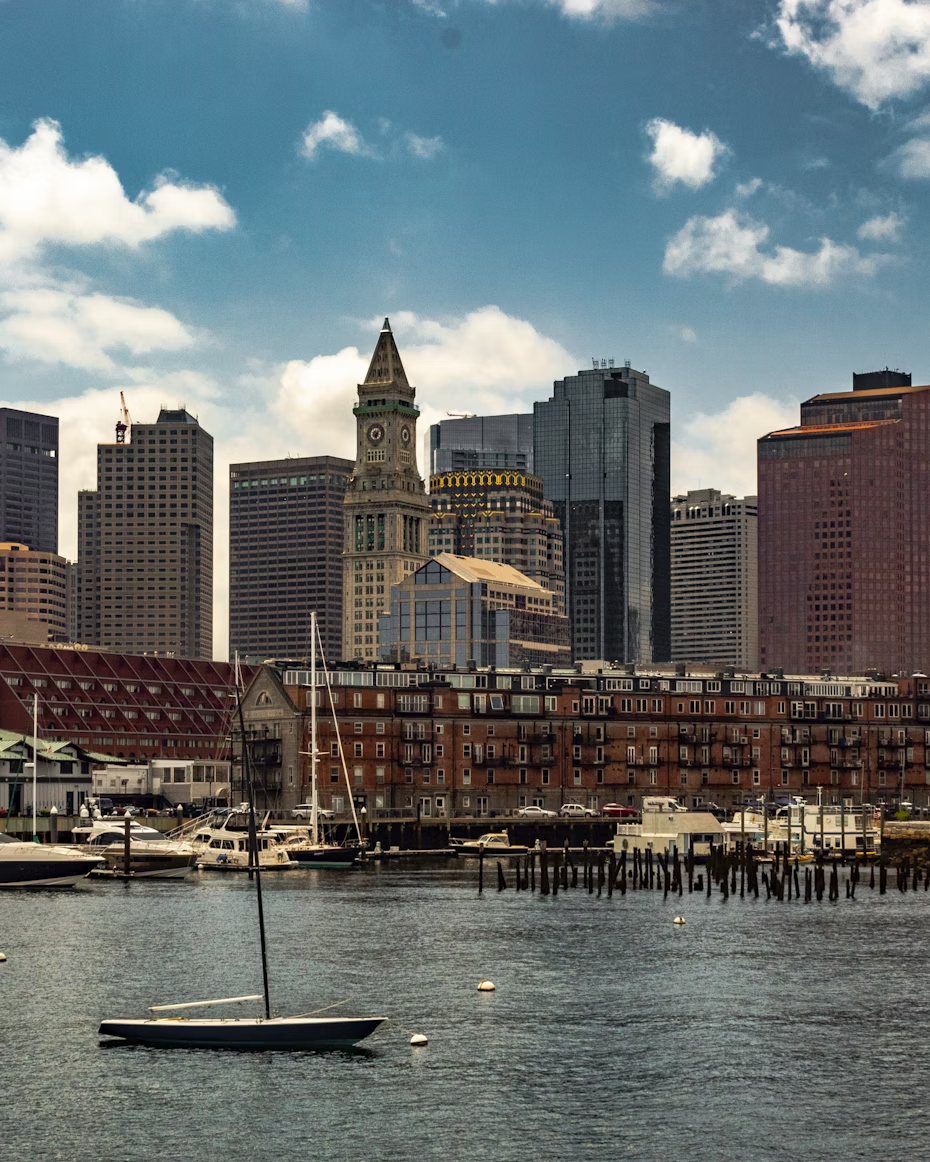
Security is a legitimate and complex concern for any major event. A World Cup brings millions of visitors and billions in viewership, making it a potential target for terrorism, cyberattacks, and protests. Host nations must balance national security with accessibility and inclusivity.
The U.S. Department of State highlights that sports diplomacy and security cooperation are vital components of international engagement. Its programs work with event organizers and foreign governments to manage high-risk environments.
However, security can also be politicized. Leaders may frame internal disputes or ideological conflicts as “safety issues” to justify withholding cooperation. The line between legitimate protection and political posturing is often blurred.
If the United States were to remove the World Cup from Boston or any other city under the pretext of safety, it would raise doubts globally about whether the decision was based on genuine threat assessment or political intent.
Political Power Plays
Sports have always mirrored politics. The 1980 Moscow Olympics boycott, led by the United States, and the 1984 Los Angeles counter-boycott by Soviet allies turned athletic competition into ideological warfare.
In today’s world, the connection is even stronger. Russia was stripped of major tournaments after its invasion of Ukraine. Qatar faced widespread scrutiny for its labor and human rights issues before hosting the 2022 World Cup, yet geopolitical influence ensured the tournament stayed put.
President Trump’s threat to remove the World Cup or Olympics from Boston fits this global pattern of politicized sports. Whether intended as punishment for local opposition or as a message of strength to international bodies, such rhetoric transforms sports into a political chessboard.
If hosting rights depend on a leader’s approval, the principle of institutional independence collapses. This approach risks portraying the United States as unpredictable—a nation where sports, business, and politics are no longer separate.
Economic Shockwaves
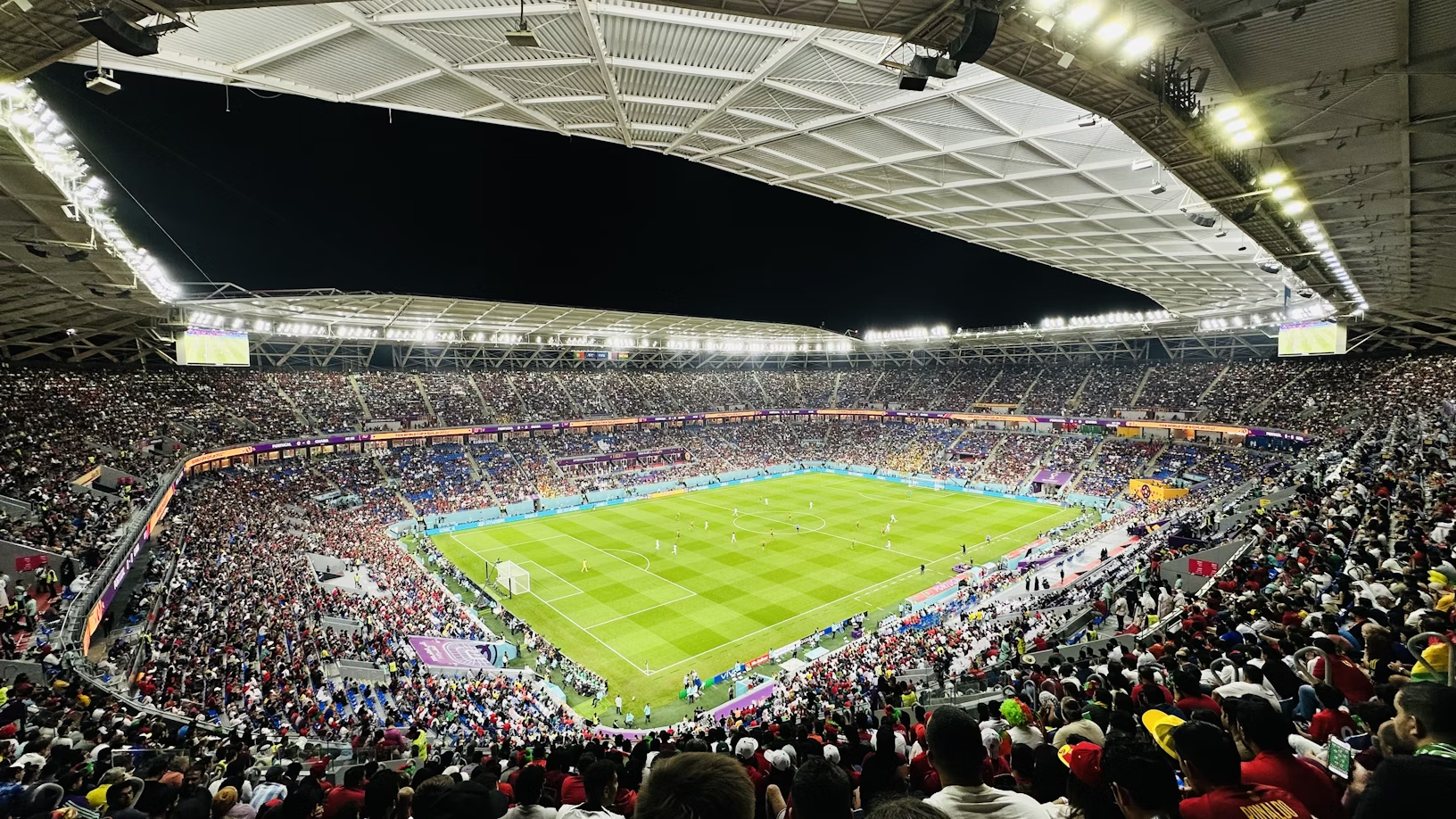
The financial impact of removing a host city would be severe. Hosting a World Cup involves billions in infrastructure investment, sponsorship, and tourism. Cities plan years in advance, expecting not just short-term profits but long-term returns.
According to the U.S. Soccer Federation, the 2026 World Cup across the United States, Canada, and Mexico is expected to bring massive economic activity and international attention. If hosting rights were withdrawn, these benefits would vanish overnight.
Local economies would suffer, small businesses would lose revenue, and governments would face criticism for wasted resources. Investors could grow wary of funding future events, viewing them as politically unstable ventures. Even FIFA could face credibility challenges, as constant interference might discourage sponsors from committing to future tournaments.
The phrase “remove the World Cup” may sound like political rhetoric, but economically, it would represent a major disruption to cities and corporations that depend on stable international cooperation.
The Diplomacy of Sports
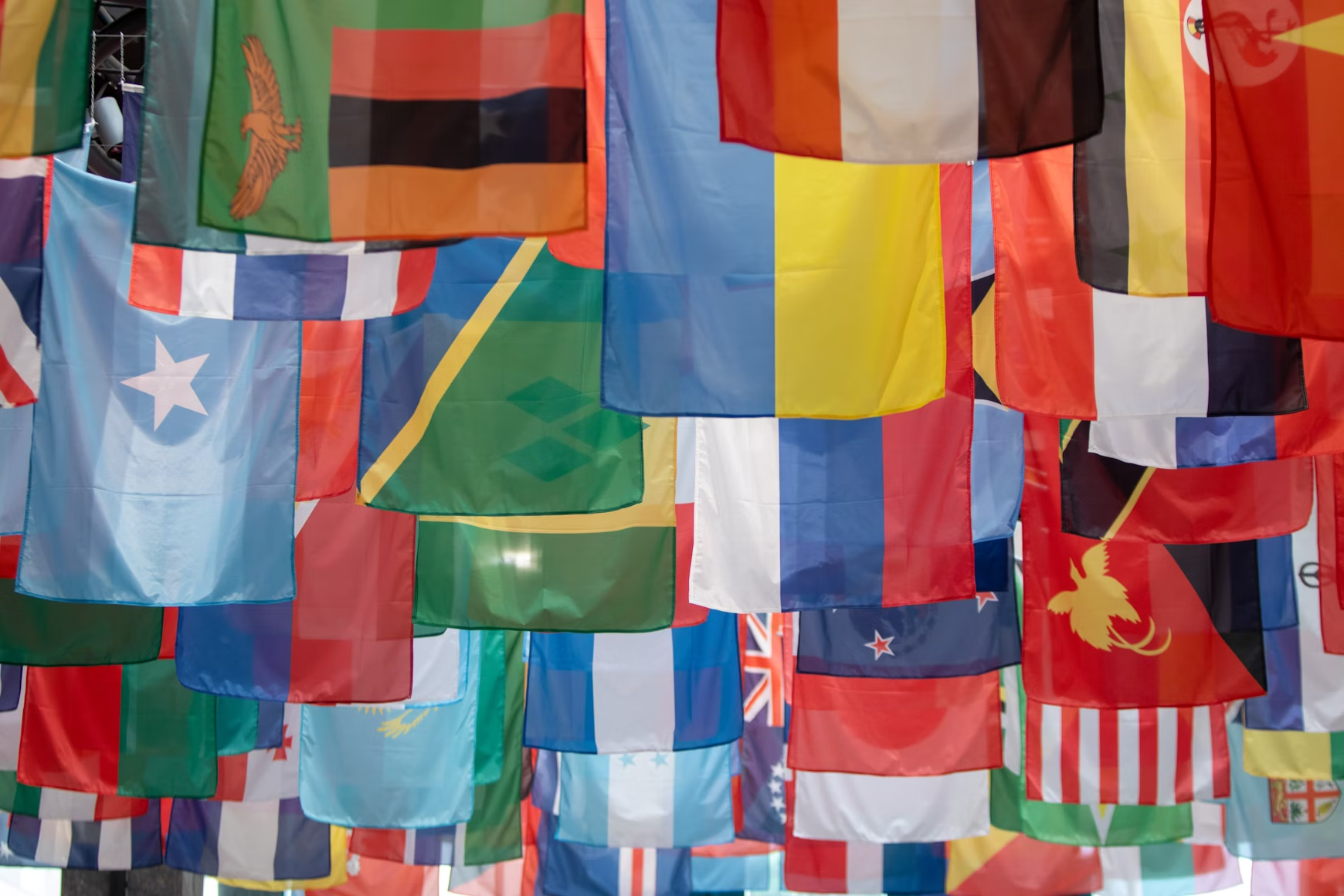
Beyond economics, global sports serve as one of the most effective tools of diplomacy. Hosting the World Cup is a statement of openness, capacity, and cultural pride. For decades, the United States used sports as a bridge to strengthen relationships abroad.
The Library of Congress Sports Industry Guide notes that soccer has grown into one of the world’s most powerful tools of cultural exchange and national branding. The Harvard Kennedy School also emphasizes that sports diplomacy builds international goodwill and helps project national values.
When America hosted the 1994 World Cup and the 1996 Olympics, it reinforced the idea of a cooperative and stable democracy. Today, politicizing such events sends the opposite signal—one of uncertainty and division.
If the World Cup were removed from Boston or another major host, it would suggest that the United States no longer treats global partnerships as reliable. That vacuum would quickly be filled by other powers. China’s Belt and Road Initiative, which includes investments in stadiums and sports programs, illustrates how nations use sports to expand influence.
Hosting international events is not just about entertainment—it is about diplomacy, credibility, and global identity.
The Future of Global Hosting
As political interference increases, the future of international hosting will depend on how much authority organizations like FIFA and the International Olympic Committee (IOC) can maintain over national governments.
One possible solution is multi-country hosting, which distributes responsibility and reduces political risk. The 2026 FIFA World Cup, co-hosted by the United States, Canada, and Mexico, reflects this evolving model.
Technology may also play a larger role. Innovations in crowd management, AI-based threat detection, and real-time monitoring could make events safer. However, no amount of technology can prevent political disputes from influencing where the games are held.
If global sports continue to intertwine with nationalism, the idea of unity through competition may fade. The more governments treat sports as bargaining chips, the more fragile the entire system of global cooperation becomes.
References
The Guardian. Trump Threatens to Pull World Cup and Olympics from Boston
Library of Congress. Soccer Industry Research Guide
FIFA. 2026 World Cup Canada–Mexico–USA
U.S. Department of State. FIFA World Cup Policy Issues
U.S. Soccer Federation. World Cup Returns to North America in 2026

- Five Myths About States Banning ICE From Polling Places - October 12, 2026
- The Secret Ballot Is Newer Than You Think, and It Took a Body Count to Get Here - October 6, 2026
- Why Is Election Day Always a Tuesday in November? - September 4, 2026