
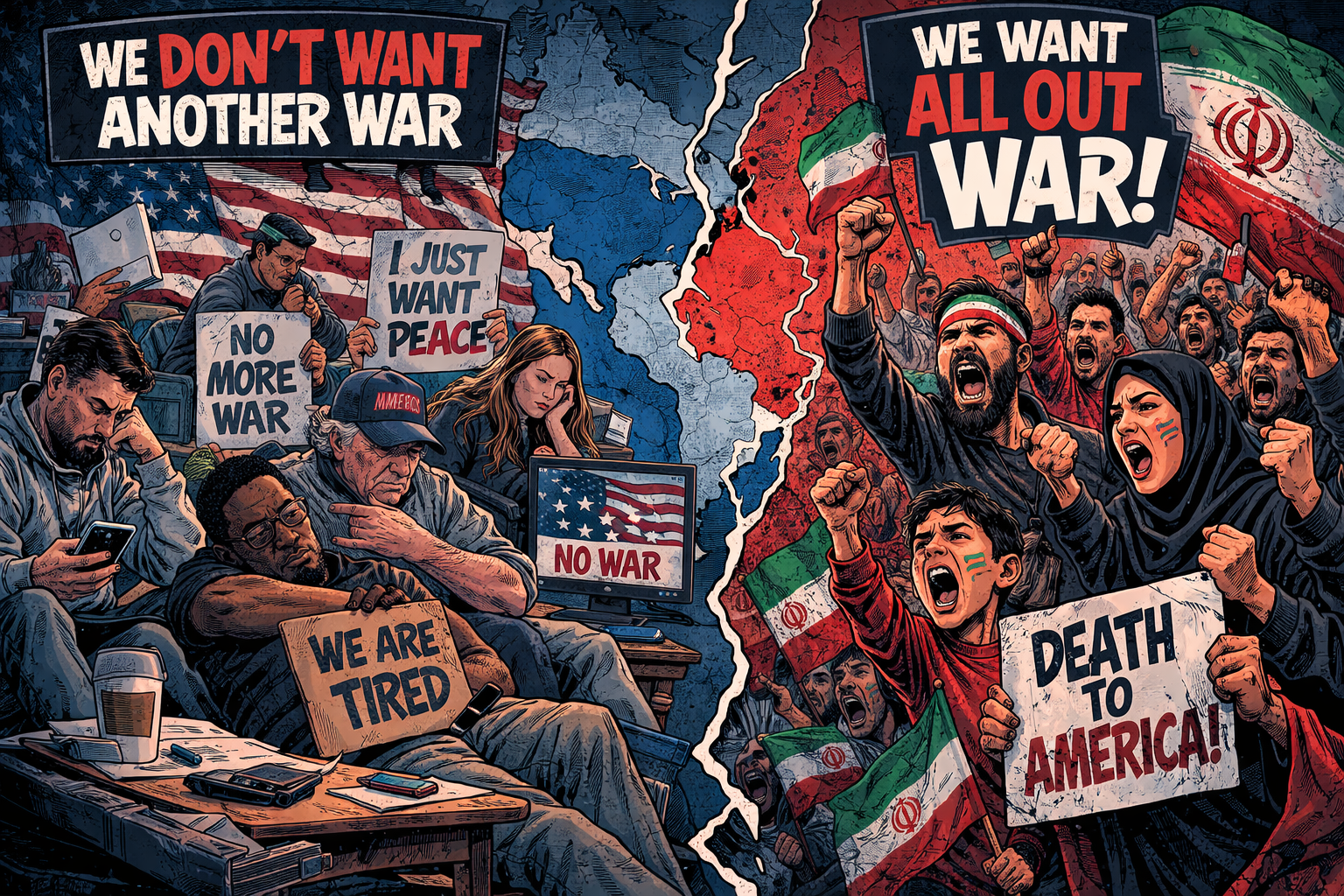
In recent months, Prof. Jiang Xueqin has become widely discussed in geopolitical commentary. His name gained traction after a bold forecast about a potential war between the United States and Iran.
The prediction spread through interviews, transcripts, and online discussions. Clips from his commentary circulated widely across political and policy platforms.
Jiang’s argument centers on a direct claim. If a large scale conflict breaks out between the United States and Iran, the United States could lose the war.
The most widely cited version of the statement appears in Professor Jiang Predicts: US Will LOSE Iran War (Transcript) published by Singju Post. In the interview, Jiang outlines three geopolitical predictions, including the possibility of a war with Iran.
He states:
“First is that Trump will win in November. Second is that the United States will go to war against Iran. The third big prediction is that the United States will lose this war, which will forever change the global order.”
The statement triggered immediate debate among analysts and observers of global security and U.S. politics. Some viewed it as a provocative forecast. Others examined the strategic reasoning behind the prediction.
Understanding Jiang’s argument requires examining the military and economic dynamics he believes would shape a future conflict.
The Strategic Logic Behind the Prediction
The central idea in Jiang Xueqin’s prediction is that a war between the United States and Iran would not resemble recent American military campaigns.
Instead of a short conventional war, Jiang argues the conflict could evolve into a prolonged confrontation.
In the interview Professor Jiang Predicts: US WILL LOSE Iran War | Breaking Points Interview, Jiang describes the scenario as a potential war of attrition.
A war of attrition focuses on endurance rather than rapid battlefield victories. Success depends on the ability to sustain military operations, economic stability, and political support over time.
Jiang argues that Iran has prepared for this type of conflict for decades.
According to his analysis, Iran’s strategy relies on several elements:
• asymmetric warfare tactics
• regional proxy networks
• disruption of global energy supply routes
Together these strategies could transform a conventional war into a long regional confrontation.
Iran’s Long Preparation for Conflict
Jiang frequently argues that Iran has anticipated a confrontation with the United States for many years.
According to the report Jiang Xueqin, historian and geopolitical analyst who predicted the Iran war published by AS USA, Jiang claims Iran has spent roughly two decades preparing for a conflict with a stronger military power.
Instead of attempting to match the United States in conventional military strength, Iran developed strategies designed to offset that imbalance.
One of the most important elements is Iran’s network of regional allies and armed groups.
These groups operate in several countries across the Middle East, including Lebanon, Iraq, Syria, and Yemen. They are often described as proxy forces because they can challenge adversaries without direct state to state warfare.
In a large conflict, these networks could open multiple fronts across the region.
Military planners often view this type of strategy as a way for smaller powers to pressure stronger opponents.
The Economic Battlefield
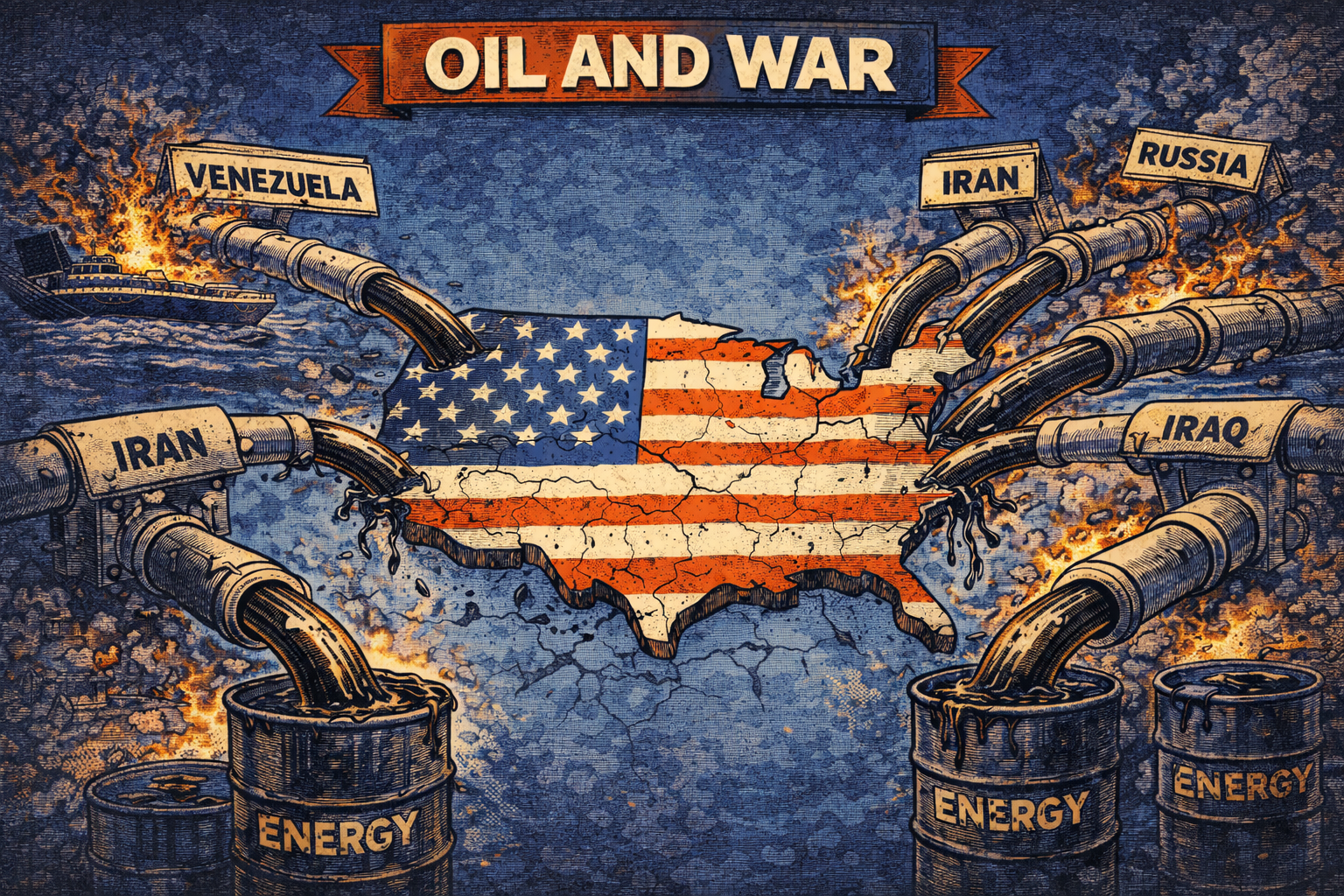
Another important part of Prof. Jiang Xueqin’s argument focuses on global energy markets.
The Persian Gulf contains some of the most important shipping routes for global oil supply. One of the most critical chokepoints is the Strait of Hormuz.
According to the Council on Foreign Relations analysis The U.S. Conflict with Iran, tensions between the United States and Iran have repeatedly raised concerns about disruptions to shipping and energy markets.
Even temporary disruptions in the region could affect global oil prices.
Energy price increases can trigger inflation, disrupt supply chains, and place economic pressure on governments.
In Jiang’s analysis, economic disruption could become a major factor in determining the outcome of a prolonged conflict.
The Long History of U.S.–Iran Tensions
Predictions about a potential war between the United States and Iran are rooted in a long history of geopolitical rivalry.
The modern conflict between the two countries began after the 1979 Iranian Revolution, which replaced Iran’s monarchy with an Islamic republic.
Since then, relations between the two nations have remained tense.
Sanctions, regional conflicts, and military incidents in the Persian Gulf have shaped the relationship for decades.
Background information about Jiang’s academic work and geopolitical commentary can be found in the profile Jiang Xueqin.
Although the United States and Iran have not fought a direct large scale war, their rivalry has influenced security dynamics across the Middle East for more than forty years.
Why the Prediction Attracted Global Attention
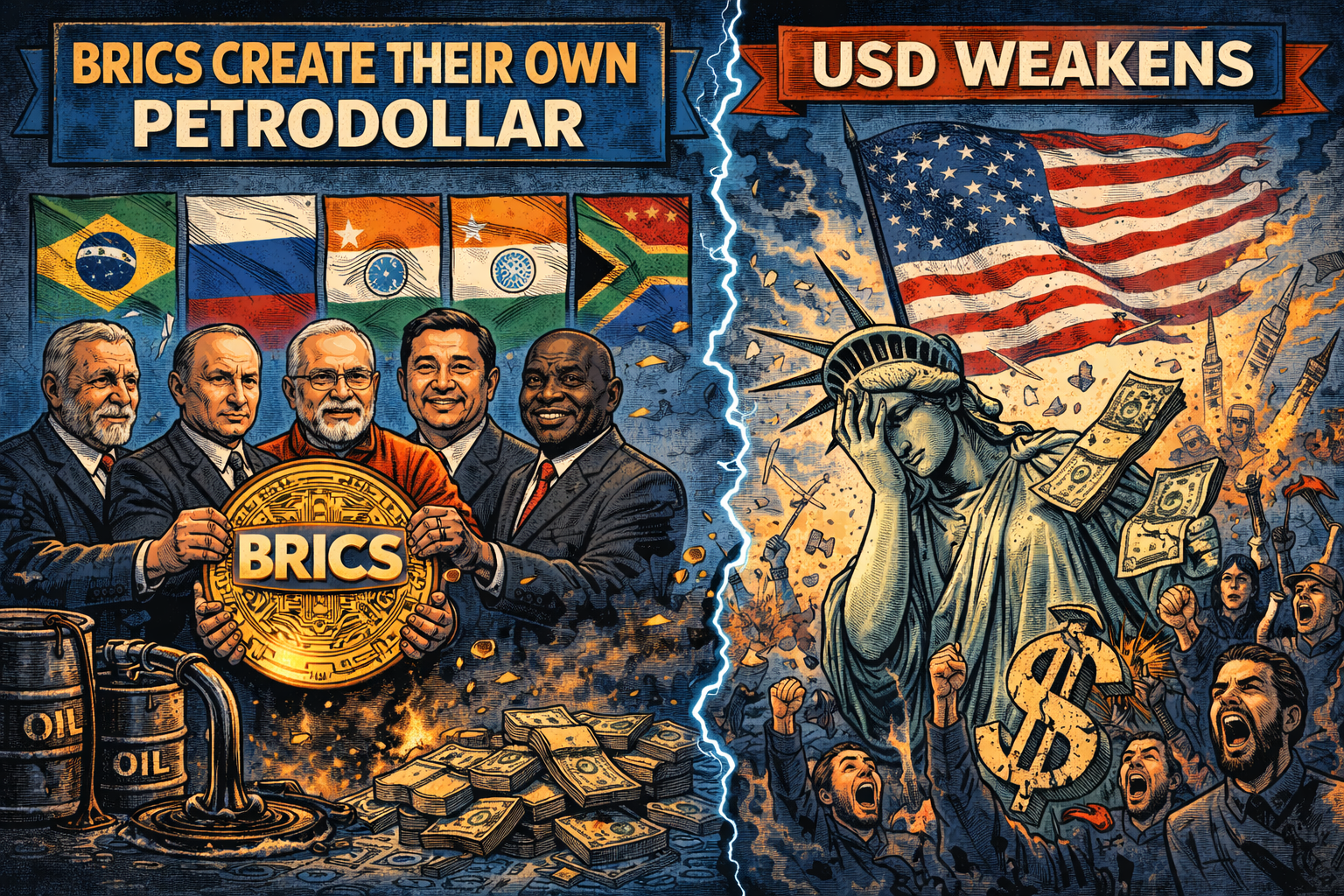
Geopolitical predictions rarely reach a broad public audience. Jiang’s forecast gained attention for several reasons.
First, the statement is unusually direct. Forecasts about international conflict often use cautious language. Jiang’s prediction presented a clear conclusion.
Second, the topic carries global implications. A conflict between the United States and Iran would involve critical energy routes, regional alliances, and major military powers.
Third, the debate connects to broader questions about the future balance of global power.
Many analysts believe the international system is gradually shifting toward a multipolar structure in which several powers compete for influence.
Predictions about the limits of American military dominance therefore attract intense scrutiny.
Evaluating the Prediction
Predicting the outcome of a future war is inherently uncertain.
Military conflicts depend on many variables, including leadership decisions, alliances, technological developments, and domestic political support.
Because of this complexity, many analysts view forecasts like Jiang’s as scenario analysis rather than definitive predictions.
They provide a framework for discussing potential outcomes, not a guarantee of what will happen.
Nevertheless, the discussion highlights important questions about modern warfare.
Military strength alone does not always determine the outcome of a conflict.
Economic resilience, regional alliances, and political endurance can also shape the long term results.
For more context on how the United States could become involved in a broader regional conflict, readers can explore Could the U.S. Be Pulled Into a War Between Israel and Iran? What the Law and History Say, which examines the legal and historical factors that could draw the U.S. into such a war.
References:
Singju Post. Professor Jiang Predicts: US Will LOSE Iran War (Transcript).
YouTube. Professor Jiang Predicts: US WILL LOSE Iran War | Breaking Points Interview.
AS USA. Jiang Xueqin, historian and geopolitical analyst who predicted the Iran war.
Wikipedia. Jiang Xueqin.
Council on Foreign Relations. The U.S. Conflict with Iran.

- Early Voting Just Started for the 2026 Midterms, and the Story Behind It Goes Back Further Than You’d Think - September 18, 2026
- When Elections End in a Dead Heat: The Wild (and Totally Legal) Ways America Breaks a Tie - August 19, 2026
- China vs America AI 2026: The Race That Closed Overnight and the Election Claim That Divides Washington - July 21, 2026