
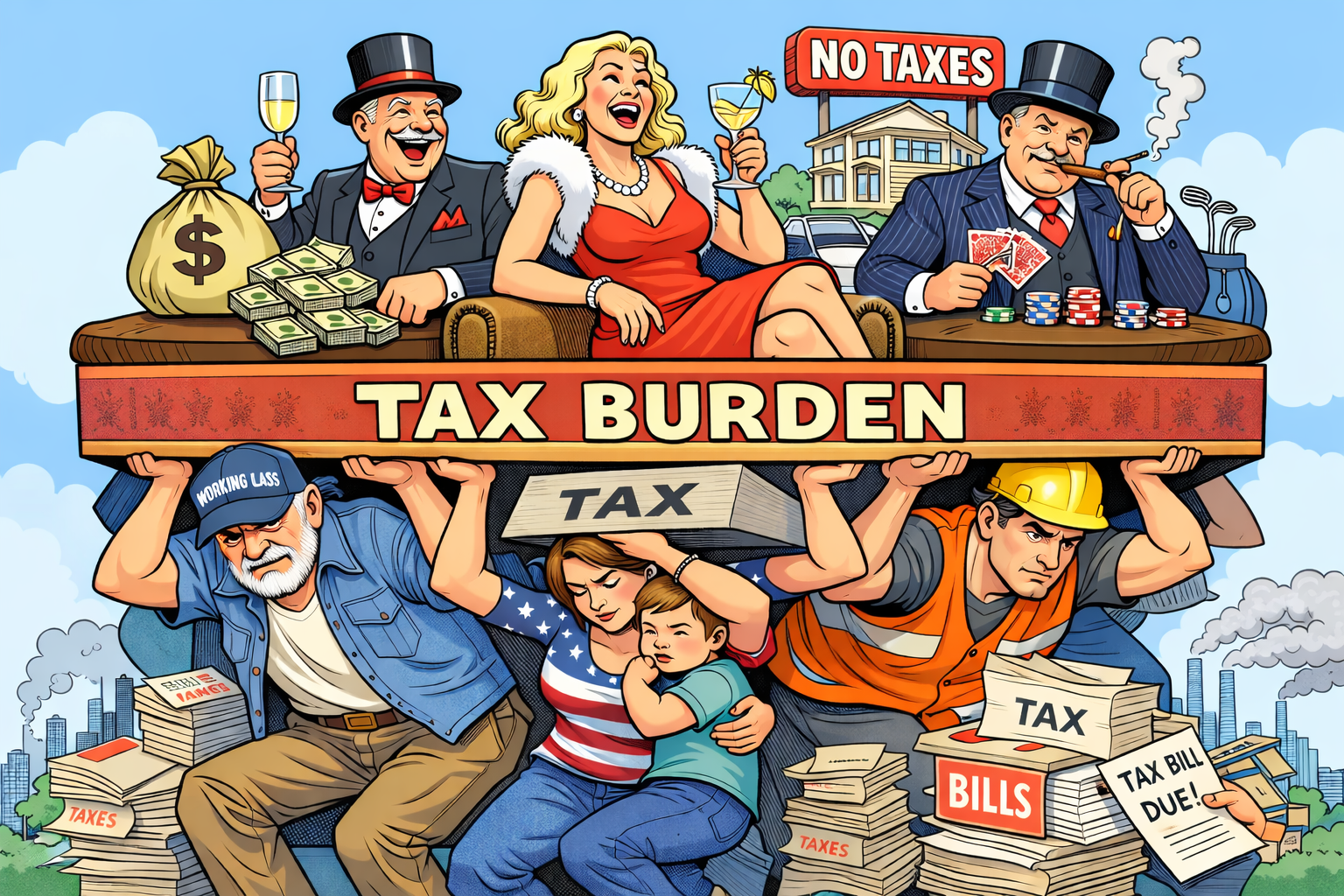
Recent reporting from The New York Times on New York City’s budget negotiations has renewed attention on how governments raise revenue when facing fiscal pressure. In its coverage of the city’s property tax debate, officials are weighing difficult choices that could affect homeowners and residents if revenue gaps are not addressed. That broader fiscal tension often revives discussion around a tax on the wealthy as an alternative to broader tax increases.
But what exactly does a tax on the wealthy mean? And if such measures fail to pass, could the burden shift elsewhere?
What Is a Tax on the Wealthy

The phrase tax on the wealthy is often used broadly in political debate. It can refer to a direct wealth tax on accumulated assets, higher income tax rates for top earners, increased capital gains taxes, or expanded estate taxes.
The Peter G. Peterson Foundation explains the structure and debate around wealth taxation in detail in its explainer, What Is a Wealth Tax and Should the United States Have One?. A wealth tax differs from income tax because it targets total net worth rather than annual earnings.
Instead of taxing yearly wages, a wealth tax would apply to net worth, including stocks, real estate, business holdings, and other financial assets above a high threshold.
How Would a Wealth Tax Work
Under typical proposals, a wealth tax would apply only to households above a high threshold. Some proposals in recent years have suggested:
A small annual percentage on net worth above tens of millions of dollars
Higher marginal rates for billionaires
Unlike income taxes, which rely on reported annual earnings, a wealth tax requires annual valuation of assets. This raises administrative challenges, especially for privately held businesses or non-liquid assets.
The Brookings Institution has analyzed approaches to taxing high-net-worth households in Taxing the Wealthy in Fair and Efficient Ways, noting that enforcement, valuation, and avoidance strategies are major considerations.
Do the Wealthy Already Pay Most Taxes
One common debate centers on whether high-income earners already contribute a disproportionate share of federal revenue.
Research from the University of North Carolina highlights that high earners do pay a large share of total federal income taxes, as discussed in The Rich Do Pay Taxes and Other Little-Known Facts. However, discussions often overlook differences between income taxes and other forms of taxation such as payroll and consumption taxes.
Income tax is only one part of the federal revenue system. Payroll taxes, state taxes, and consumption taxes affect households differently across income levels.
Understanding the full tax structure is critical when evaluating proposals tied to a tax on the wealthy.
Alternative Approaches to Taxing High Earners
Rather than implementing a direct wealth tax, policymakers have explored alternative tools, including:
Raising capital gains rates
Expanding the Net Investment Income Tax
Adjusting corporate tax structures
Reforming estate tax thresholds
The Institute on Taxation and Economic Policy discusses mechanisms such as expanding the Net Investment Income Tax and targeting wealth proceeds through investment-related levies in its analysis, Wealth Proceeds Tax and Net Investment Income Tax.
Meanwhile, the Center for American Progress outlines legislative proposals it argues would shift more of the tax burden to high earners in 7 Ways the Big Beautiful Bill Cuts Taxes for the Rich.
These approaches attempt to increase revenue without adopting a traditional annual wealth tax.
Why the Debate Is Intensifying
Budget pressure at the federal and state levels often reignites discussion around progressive taxation.
When deficits grow or spending increases, lawmakers typically consider one of three paths:
Reduce spending
Increase borrowing
Raise revenue
If a tax on the wealthy fails to gain political support, some policymakers warn that broader revenue measures may follow. Those could include adjustments to income tax brackets, property tax changes, or indirect tax increases.
This is why regular Americans pay attention to these debates. Even if a proposal targets only the ultra-wealthy, its success or failure can influence broader fiscal strategy.
Tax policy frequently becomes central during campaign seasons and legislative negotiations, often appearing prominently in election updates in the US.
Revenue discussions also influence other government initiatives. For example, healthcare funding debates intersect with tax policy, as discussed in RTTE’s analysis, What Is TrumpRX? Understanding President Trump’s New Government Health Initiative.
How Could a Tax on the Wealthy Affect Regular Americans
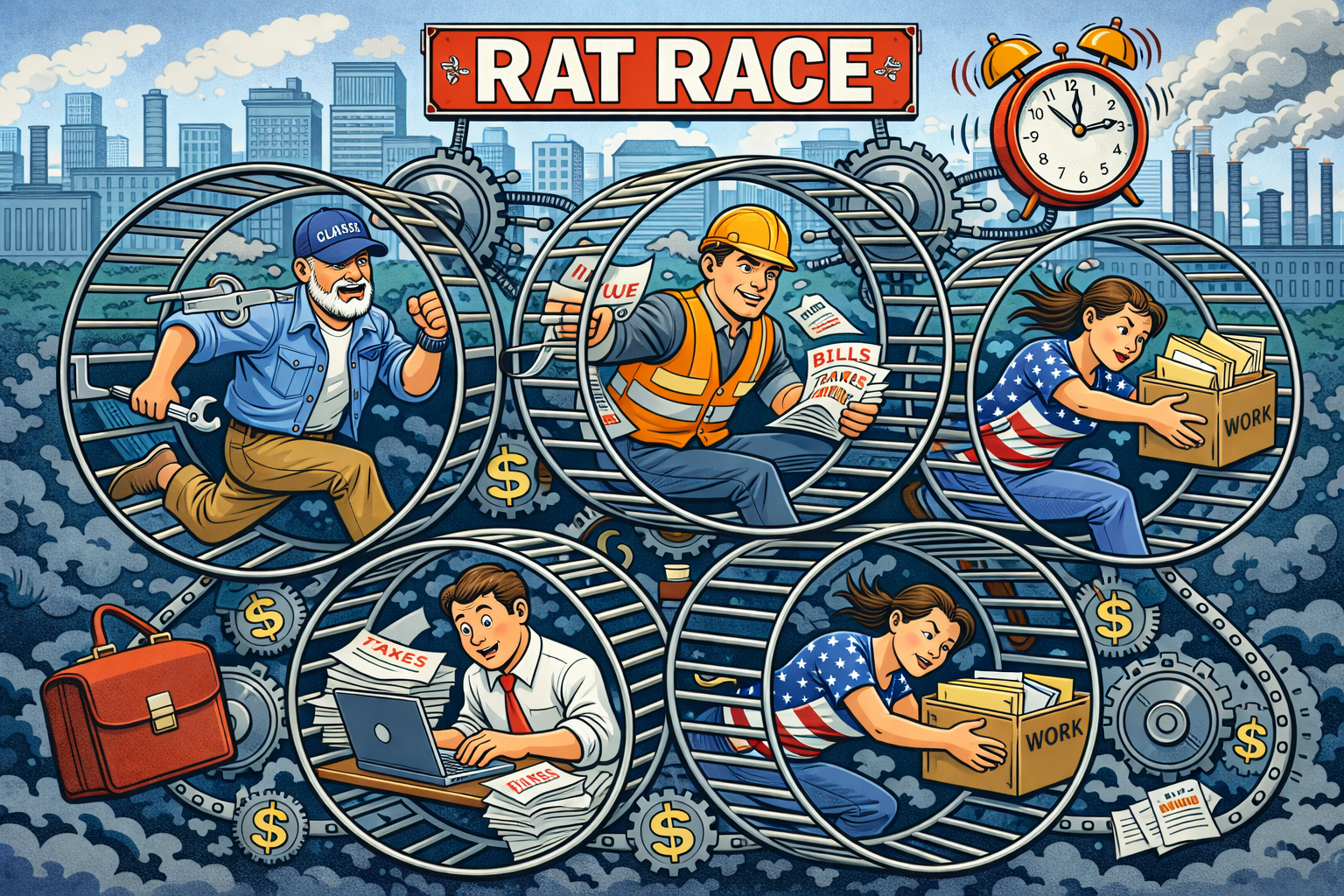
Most proposals explicitly apply only to very high net worth households. However, indirect effects may include:
Investment Behavior
Higher taxes on capital could influence investment decisions, business expansion, or asset allocation.
Revenue Distribution
If a wealth tax generates significant revenue, it may reduce pressure for broader tax increases.
Economic Growth Debate
Supporters argue increased revenue can fund public investment. Critics warn about potential capital flight or reduced entrepreneurship.
Political Leverage
Tax policy often becomes central during legislative negotiations and election cycles.
Arguments For and Against a Tax on the Wealthy
Supporters Argue:
Wealth inequality has widened significantly
High net worth households can contribute more without reducing living standards
Additional revenue could fund infrastructure, healthcare, or debt reduction
Critics Argue:
Asset valuation is complex and prone to legal challenges
Wealth taxes have been repealed in several countries due to enforcement difficulties
High earners may relocate assets or residences
The Peter G. Peterson Foundation notes that several European nations experimented with wealth taxes but later abandoned them due to administrative burdens and limited revenue relative to complexity.
A tax on the wealthy is often framed as a simple solution to complex budget challenges. In reality, it involves detailed policy design, economic trade-offs, and political negotiation. While most proposals target only the highest net worth households, the broader fiscal conversation can influence tax policy that affects regular Americans.
Understanding the mechanics behind wealth taxation allows voters and taxpayers to move beyond slogans and evaluate policy on its economic and institutional merits.
References:
Peter G. Peterson Foundation. What Is a Wealth Tax and Should the United States Have One?
University of North Carolina at Chapel Hill. The Rich Do Pay Taxes and Other Little-Known Facts
Brookings Institution. Taxing the Wealthy in Fair and Efficient Ways
Institute on Taxation and Economic Policy. Wealth Proceeds Tax and Net Investment Income Tax
Center for American Progress. 7 Ways the Big Beautiful Bill Cuts Taxes for the Rich
The New York Times. NYC Budget and Property Tax Debate

- What Is Actually Happening in France Right Now, and Why It Matters for the Race to Replace Macron - October 19, 2026
- How a 1971 Supreme Court Case Still Decides Who Makes Your Local Ballot - October 14, 2026
- The Supreme Court Is About to Decide a Major Voter Roll Case. Here Is the Timeline That Got Us Here - September 24, 2026