
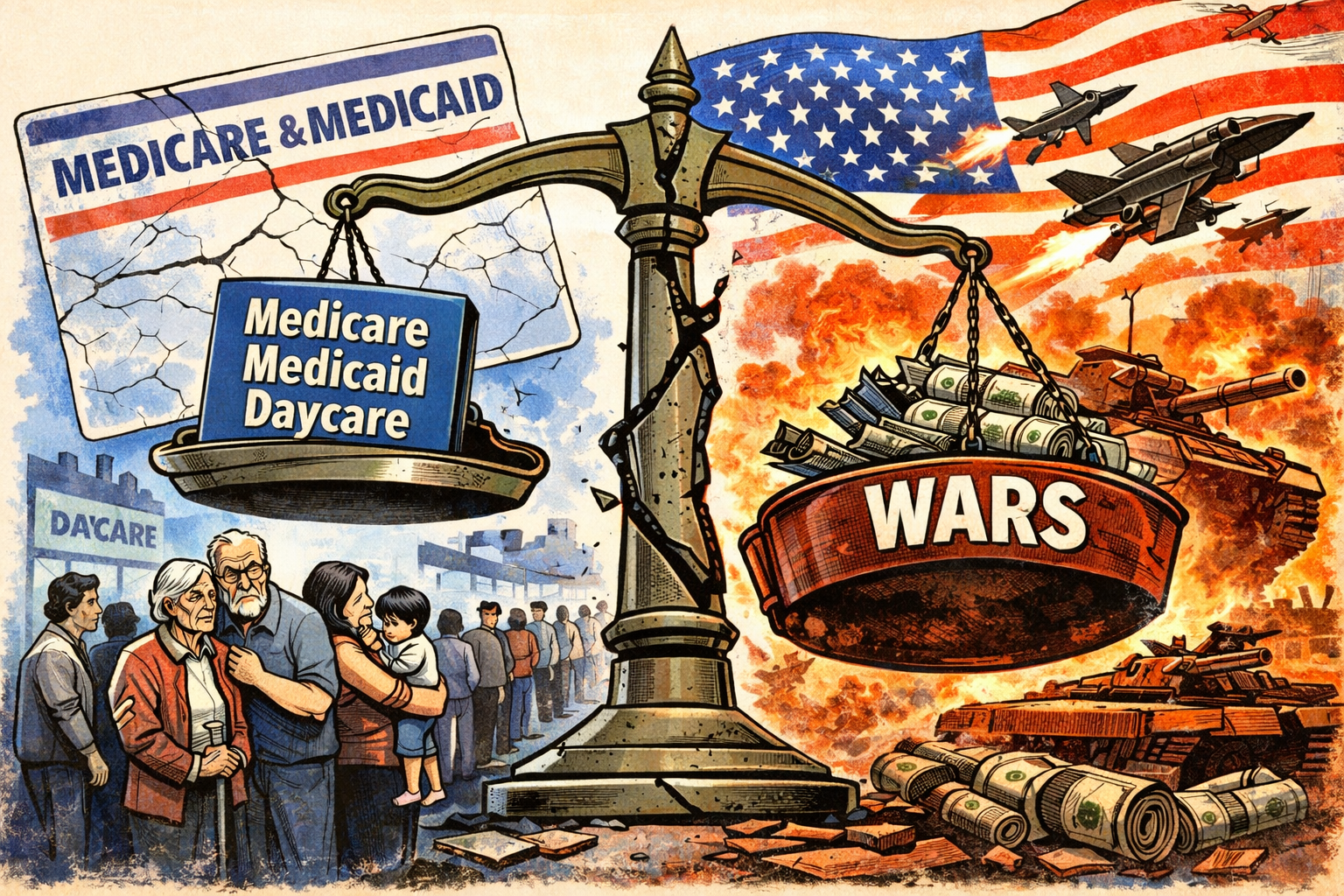
President Donald Trump made a blunt and controversial statement on April 1, 2026, during a White House Easter lunch. He declared that the United States cannot afford to fully fund Medicaid, Medicare, and daycare because the country is engaged in wars.
Trump suggested that these programs should be shifted to the states. He argued that the federal government’s primary responsibility is military protection, not managing daycare, Medicaid, and Medicare. The remarks have ignited a heated national debate about spending priorities, entitlement reform, and the true cost of America’s military engagements.
Trump’s Statement in Detail
Speaking to guests at the Easter lunch, Trump addressed Office of Management and Budget Director Russell Vought. He said he had instructed Vought not to send federal money for daycare because “the United States can’t take care of daycare.” He added that the country is “fighting wars” and therefore cannot manage “daycare, Medicaid, Medicare — all these individual things.”
Trump proposed that states should take responsibility for these programs. He suggested that states could raise their own taxes while the federal government slightly lowers taxes in return. He emphasized that the federal government’s main job is “guarding the country” through military strength.
This statement reflects Trump’s long-standing belief in reducing federal involvement in domestic programs and returning power to the states.
The Massive Scale of These Programs
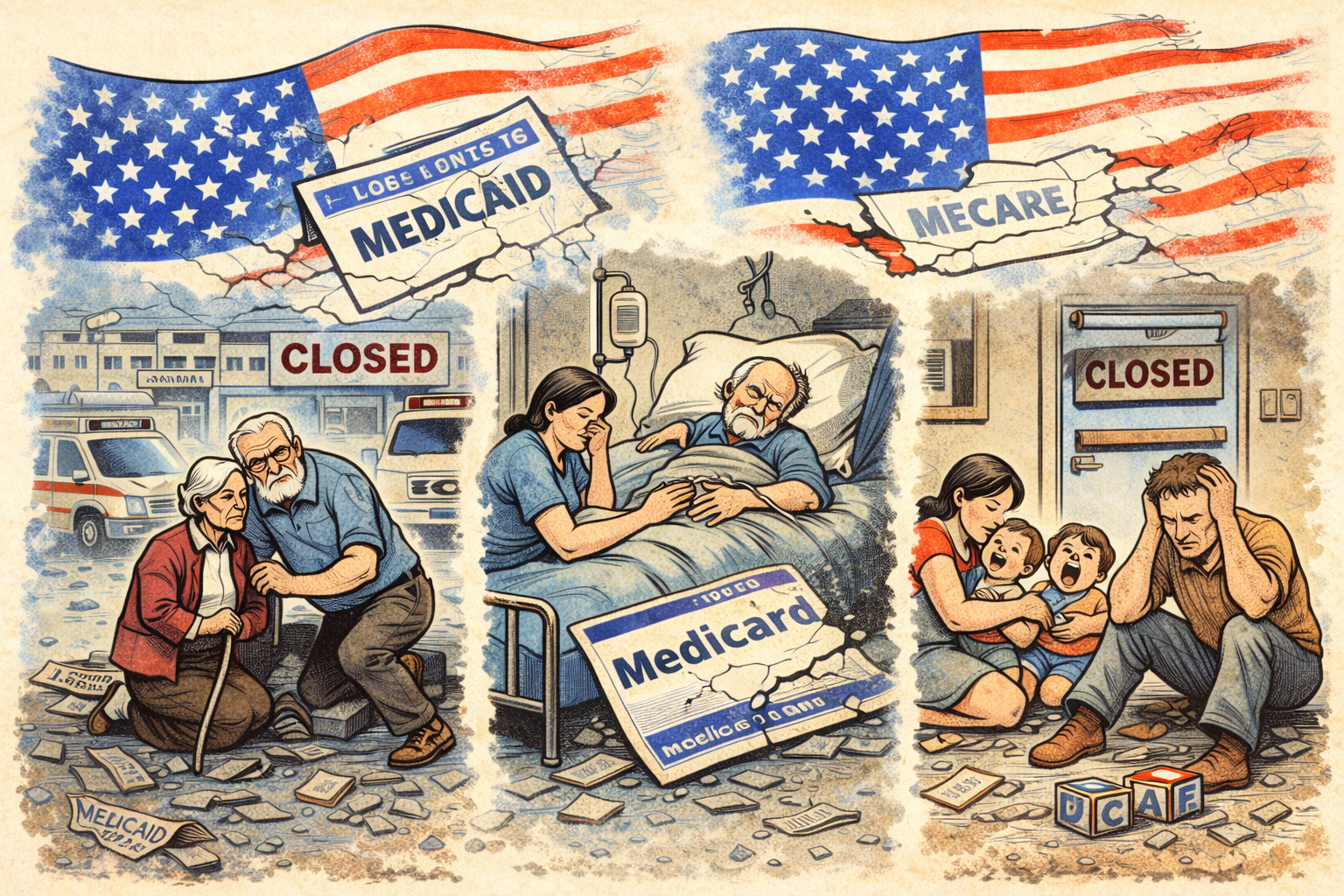
Medicare, Medicaid, and daycare are among the largest items in the federal budget.
Medicare provides health insurance to more than 65 million Americans, mostly seniors and people with disabilities. It is financed through payroll taxes, beneficiary premiums, and general federal revenue. According to the Centers for Medicare & Medicaid Services, Medicare spending runs into hundreds of billions of dollars annually.
Medicaid is a joint federal-state program that covers low-income families, children, pregnant women, and long-term care. The federal government typically pays a large share of the costs, with states contributing the rest. Detailed financing information is available on the Medicaid.gov financial management page.
Child care assistance helps working families afford daycare. Federal support has increased in recent years, but access remains limited. Studies from the U.S. Treasury Department and the Center for American Progress show that high-quality child care is expensive and often out of reach for many families.
The Enormous Cost of Wars
The United States has spent vast sums on military operations since 2001. The Costs of War Project at Brown University estimates that post-9/11 wars and related activities have cost more than $8 trillion. This includes direct war spending, veterans’ care, and interest on borrowed money.
Current annual defense budgets continue to exceed $800 billion. When Trump says the country is “fighting wars,” he is referring to ongoing military commitments that require substantial funding.
Comparing the Numbers
Here is a simplified comparison using available data:
Post-9/11 war costs (2001–present): Over $8 trillion (Costs of War Project)
Annual Medicare spending: Approximately $800 billion+
Annual Medicaid spending: Approximately $600 billion+ (federal share)
Annual federal child care assistance: Tens of billions of dollars
These figures show why Trump’s statement about limited resources resonates with some Americans but alarms others who depend on these programs.
The Political Firestorm
Trump’s comments have triggered strong reactions. Supporters see them as a realistic assessment of America’s fiscal limits and a call for states to take more responsibility. Critics argue that pitting Medicare, Medicaid, and daycare against national defense creates a false choice. They say the United States is one of the wealthiest nations in the world and should be able to fund both strong defense and essential social programs.
Democrats have accused Trump of showing that his priority is military spending over the health and wellbeing of American families and seniors. Some Republicans worry that the message could hurt the party among older voters and working families in the 2026 Midterms.
Why This Matters for the 2026 Midterms
With midterm elections approaching, debates over federal spending, entitlement reform, and budget priorities are expected to dominate campaigns. Trump’s statement gives both parties clear talking points. Republicans may push for reducing federal entitlement spending and shifting costs to states. Democrats are likely to frame it as an attack on essential programs that millions of Americans rely on.
Follow the latest election updates in the US as this debate over federal spending priorities heats up. Trump’s claim that America “can’t afford” Medicaid, Medicare, and daycare while fighting wars could become a central issue in the 2026 Midterms. For more on why the upcoming vote matters, read our guide: How Are You Preparing for the 2026 U.S. Midterm Elections? Why This Vote Matters More Than You Think.
References:
Brown University Watson Institute. Costs of War: U.S. Federal Budget
National Center for Biotechnology Information. Public Health and Economic Burden Study
U.S. Department of the Treasury. The Economics of Childcare Supply
Center for American Progress. Where Does the Child Care Dollar Go?
The Commonwealth Fund. How Do We Pay for Medicaid?
Medicaid.gov. Financial Management
Brookings Institution. How Does Medicare Work and How Is It Financed?
Medicare.gov. How Is Medicare Funded?

- Early Voting Just Started for the 2026 Midterms, and the Story Behind It Goes Back Further Than You’d Think - September 18, 2026
- When Elections End in a Dead Heat: The Wild (and Totally Legal) Ways America Breaks a Tie - August 19, 2026
- China vs America AI 2026: The Race That Closed Overnight and the Election Claim That Divides Washington - July 21, 2026