
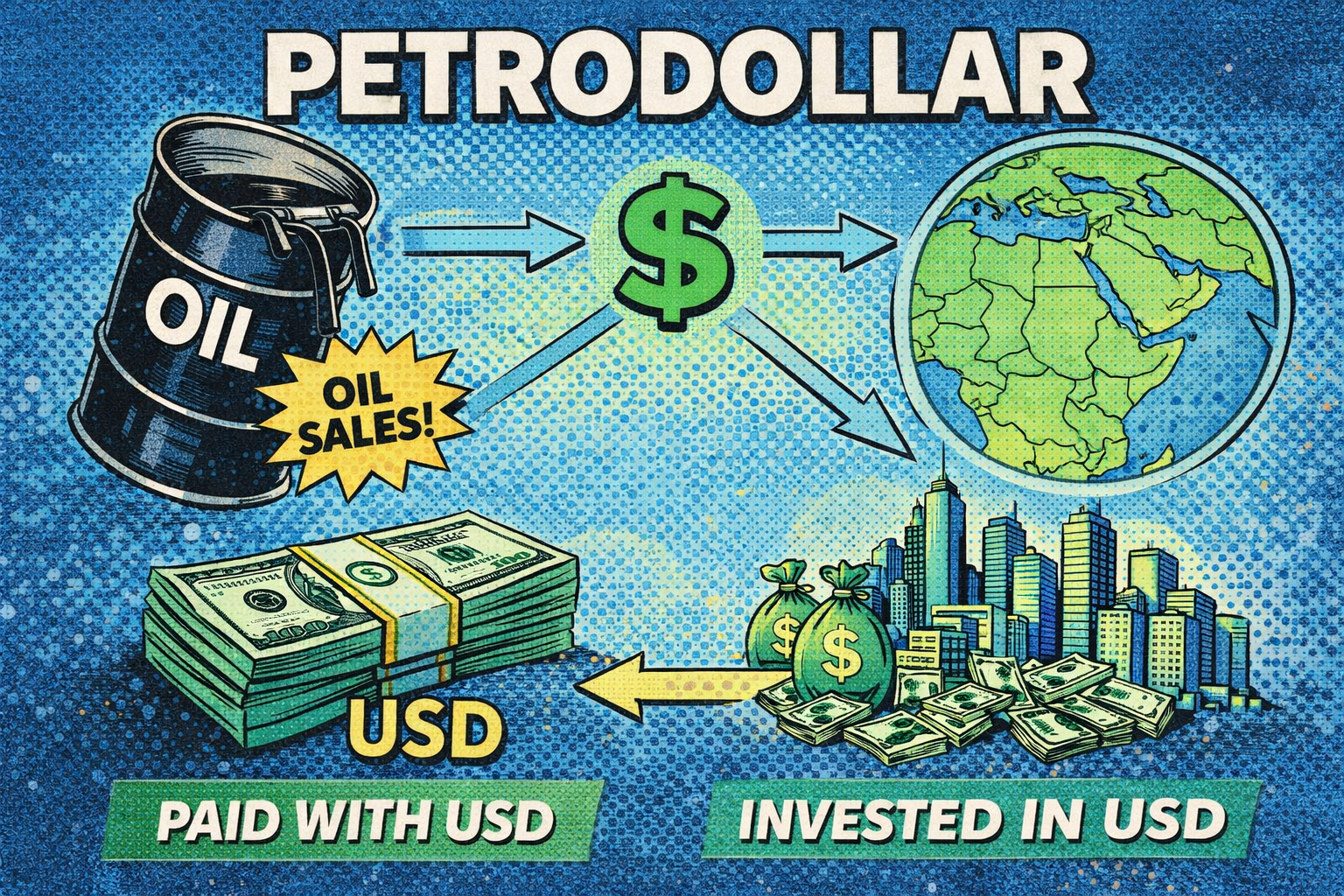
The petro dollar is a core element of the modern global financial system. It connects energy markets, international trade, and the strength of the U.S. dollar. Since the 1970s, the petro dollar system has shaped how countries buy oil, manage reserves, and engage in global commerce.
At its foundation, the petro dollar refers to U.S. dollars earned by oil-exporting countries through the sale of crude oil. Over time, this evolved into a global system where oil is priced and traded in U.S. dollars. This practice reinforced US dollar dominance and strengthened the role of the global reserve currency US dollar.
Understanding the petro dollar system explains how financial systems, energy markets, and geopolitical influence intersect.
What Is the Petro Dollar
The petro dollar refers to U.S. dollars received by countries that export oil. As explained in the U.S. Department of the Treasury’s Petrodollars, the term became widely used as oil trade shifted toward dollar-based transactions.
The petro dollar system operates on three core principles:
Oil is priced in U.S. dollars
Countries must hold dollars to purchase oil
Oil exporters reinvest dollar revenues
This system creates sustained demand for the dollar and supports global liquidity.
The Origins of the Petro Dollar System
The End of Bretton Woods
The modern petro dollar system emerged after the collapse of the Bretton Woods system in 1971. Before this shift, the U.S. dollar was tied to gold. When convertibility ended, a new mechanism was needed to maintain global demand for the dollar.
According to Global Financial Systems and Oil Economies, this transition created uncertainty in global markets and required new structures to stabilize currency demand.
The U.S. Saudi Oil Agreement
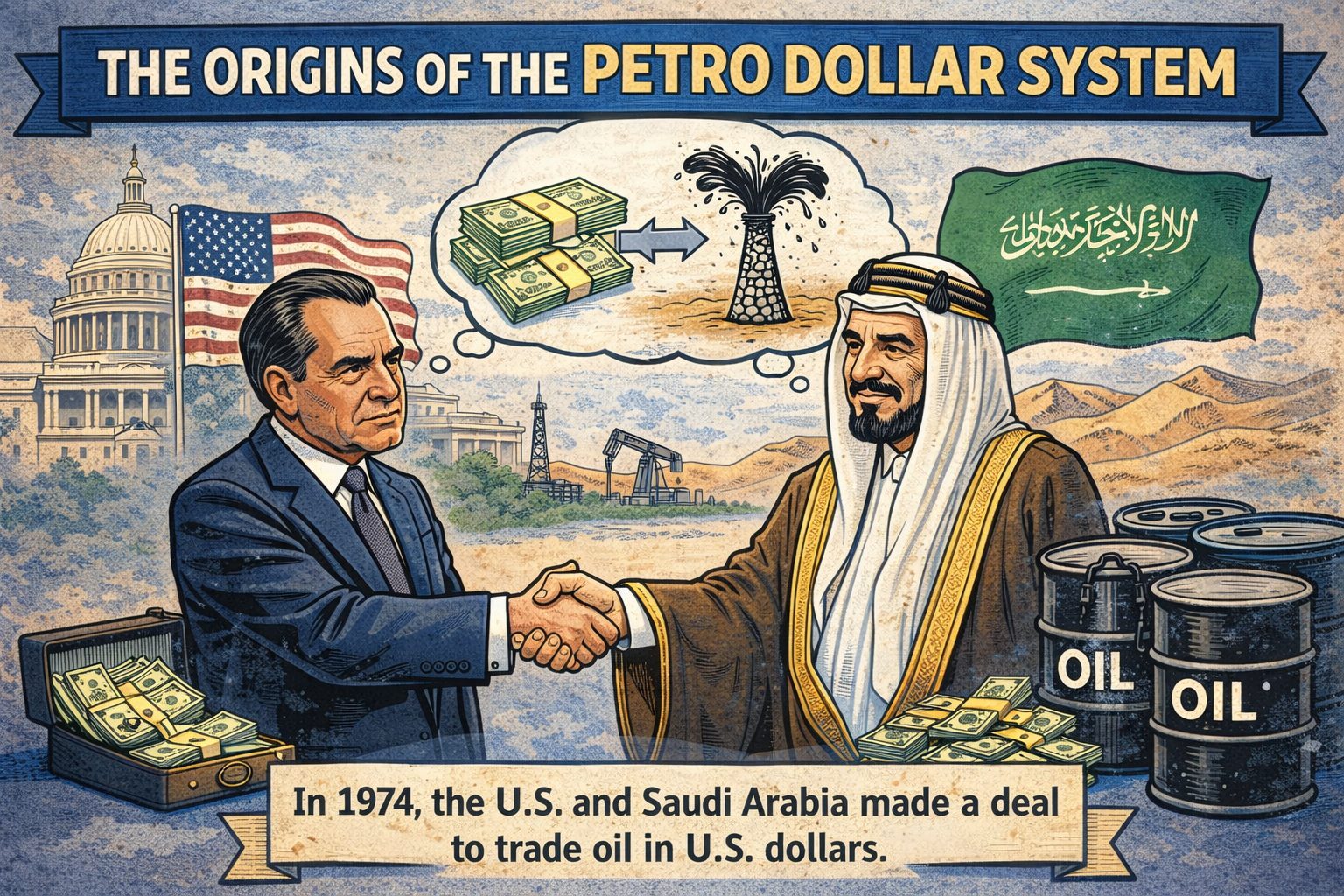
In the 1970s, the United States formed agreements with Saudi Arabia that reshaped global energy trade. These agreements ensured that oil would be priced in dollars and that oil revenues would be reinvested into U.S. financial systems.
This arrangement became known as the US Saudi oil agreement and extended across OPEC, reinforcing the oil pricing in USD model.
How the Petro Dollar System Works
The petro dollar system functions through a continuous economic cycle.
Step-by-Step Process
Oil is sold globally in U.S. dollars
Importing countries acquire dollars to purchase oil
Exporting countries accumulate large dollar reserves
These reserves are reinvested into global financial markets
This system strengthens the global reserve currency US dollar and reinforces global reliance on dollar-based trade.
Petrodollar Recycling Explained
Petrodollar recycling explains what happens after oil-exporting countries receive large amounts of U.S. dollars. Instead of holding these funds idle, they reinvest them into global financial systems.
According to Do Oil Prices Affect the Dollar?, these financial flows help maintain liquidity and stability across international markets. This recycling process is a core function of the petro dollar system.
Common Investment Channels
Oil-exporting countries typically reinvest their earnings into:
U.S. Treasury securities
These provide a safe and stable store of value while supporting U.S. government financing
Global banking systems
Deposits in international banks increase lending capacity and global credit availability
Infrastructure and sovereign wealth funds
Long-term investments that support national development and global assets
International financial institutions
Participation in global capital markets and cross-border investments
These investments return dollars back into circulation. This cycle sustains global demand for the currency and reinforces the structure of the petro dollar system.
Why Oil Is Priced in U.S. Dollars
The oil pricing in USD system is a defining feature of global energy markets. It ensures that oil transactions across countries use a single, widely accepted currency.
According to The International Role of the Euro, using one dominant currency reduces transaction costs and simplifies international trade. This standardization makes global energy markets more efficient.
Key Factors
Several conditions support the continued use of the U.S. dollar in oil trade:
Stability of U.S. financial markets
Investors view U.S. markets as reliable and predictable
High liquidity of dollar-based assets
Large volumes of dollar transactions make buying and selling easier
Global trust in U.S. institutions
Legal and financial systems provide confidence for international partners
Established trade agreements
Long-standing arrangements reinforce the use of the dollar
These factors maintain the dominance of the US dollar oil trade and strengthen the position of the dollar in global markets.
How the Petro Dollar Supports U.S. Power
The petro dollar system does more than facilitate trade. It supports the economic and geopolitical position of the United States.
Economic Benefits
The system creates measurable advantages:
Sustains global demand for U.S. dollars
Countries need dollars to purchase oil
Supports lower borrowing costs
Strong demand for U.S. debt helps keep interest rates stable
Strengthens financial markets
Continuous capital inflows support market liquidity
Geopolitical Impact
Beyond economics, the system also shapes international relationships:
Expands U.S. influence in global trade
Dollar-based transactions give the U.S. a central role
Strengthens alliances with oil-producing nations
Financial ties reinforce political partnerships
Enhances economic policy tools
Control over dollar systems affects sanctions and trade measures
Together, these factors reinforce US dollar dominance and extend U.S. influence across global systems.
Energy, Oil, and Political Power
The petro dollar system is closely linked to how nations use energy as a strategic asset. Oil is not only an economic resource but also a tool that shapes global power.
Control over oil production and supply affects:
Market prices
Trade balances
Diplomatic relationships
Energy decisions influence inflation, national security, and economic stability. Countries that control supply chains can influence global outcomes through production levels and pricing strategies.
These dynamics show that energy markets and financial systems operate together. The structure of the petro dollar system reflects this connection between economic activity and political power.
For a deeper understanding of this dynamic, see Energy Warfare: How Nations Use Oil and Gas as Political Weapons.
Challenges to the Petro Dollar System
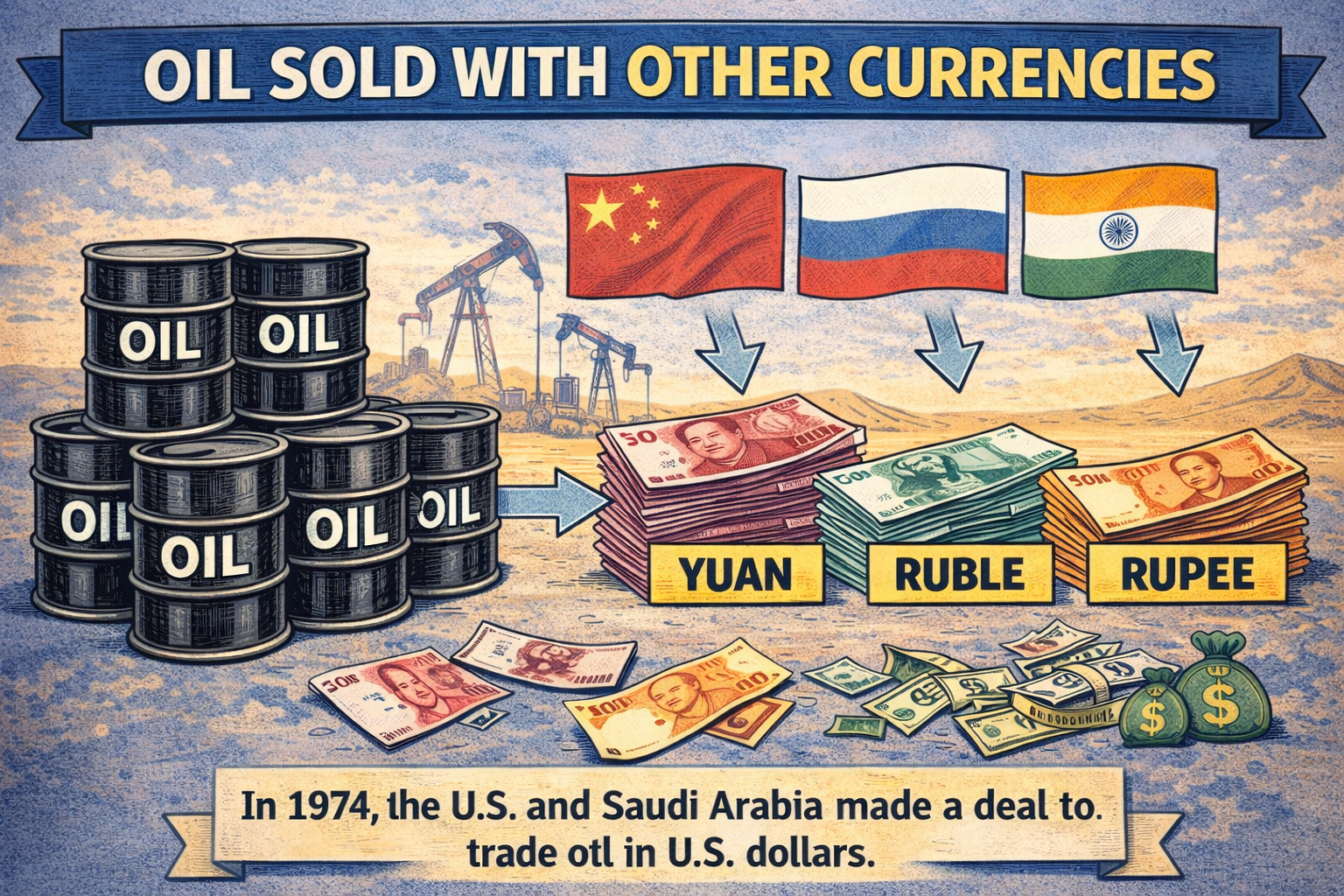
The petro dollar system continues to face evolving challenges.
According to Petrodollars Explained, some countries are exploring alternatives to dollar-based trade.
Key Developments
Bilateral trade agreements using local currencies
Efforts to diversify foreign reserves
Growth of alternative financial systems
These shifts reflect changing global economic priorities.
Historical Context of the Petro Dollar System
The petro dollar system did not appear overnight. It developed in response to major changes in the global monetary system during the 20th century. Each phase reshaped how the U.S. dollar maintained its global role.
According to Petrodollars: Definition and Analysis, the system became a key driver of global capital flows and international trade.
Key Milestones
1971: End of Gold Convertibility
The United States ended the dollar’s link to gold. This removed the fixed value backing of the dollar and created the need for a new system to sustain global demand.
1970s: Oil Agreements with Saudi Arabia
The United States secured agreements that ensured oil would be traded in dollars. This move directly tied global energy demand to the U.S. currency and strengthened the petro dollar system.
1980s Onward: Expansion of Dollar-Based Oil Trade
More oil-producing countries adopted dollar pricing. This expanded the system globally and reinforced US dollar dominance in international markets.
These milestones show how the petro dollar evolved from a policy response into a global financial structure. Each step increased reliance on the U.S. dollar and shaped the modern economic system.
Historical Context and Long-Term Impact
According to Petrodollars: Definition and Analysis, the system has influenced capital flows, trade systems, and international economic policy.
Key Milestones
1971: End of gold convertibility
1970s: Oil agreements with Saudi Arabia
1980s onward: Expansion of dollar-based oil trade
These developments established the framework that continues today.
The petro dollar system is a defining feature of modern global economics. It connects energy markets, financial systems, and geopolitical influence in a single framework.
Through the pricing of oil in dollars and the reinvestment of revenues, the system has reinforced the role of the dollar as the world’s leading currency. While global dynamics continue to evolve, the structure of the petro dollar remains central to understanding international trade and economic power.
References:
U.S. Department of the Treasury. Petrodollars
Brookings. Global Financial Systems and Oil Economies
Georgetown University. Petrodollars: Definition and Analysis
European Central Bank. The International Role of the Euro
Investopedia. Petrodollars Explained
Federal Reserve Bank of New York. Do Oil Prices Affect the Dollar?

- Five Myths About How the Electoral College Actually Works - September 29, 2026
- Why Does the President’s Party Almost Always Lose Seats in the Midterms? - September 9, 2026
- Why Is Congress Racing to Fund the Government Before the Midterms? - August 31, 2026