
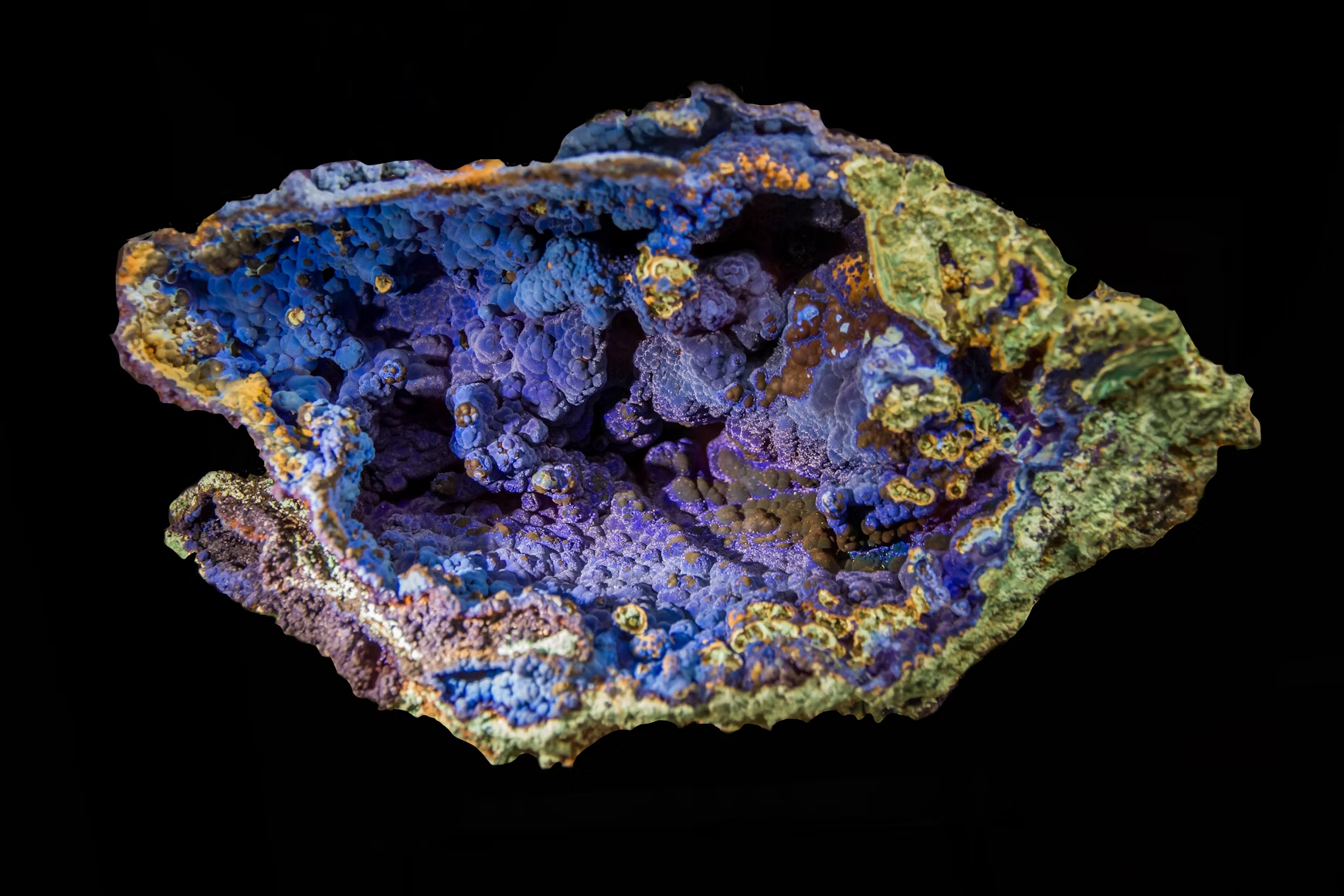
Rare earth elements are the invisible force behind the modern world. They power electric vehicles, smartphones, wind turbines, medical imaging devices, and advanced weapons systems. Despite their name, these elements are not rare in the Earth’s crust, but they are difficult and costly to extract and process.
For years, China has dominated this market, controlling more than 60 percent of global rare earth production and nearly 85 percent of processing. This concentration has given Beijing significant leverage over global technology and defense industries. Now, the United States and its allies are working to change that.
In October 2025, the United States and Australia announced a new agreement aimed at breaking China’s stronghold on global rare earth supply chains. The deal, which focuses on boosting mining and refining cooperation, will help the allies expand access to critical minerals needed for clean energy and defense applications.
(Sky News. U.S.-Australia Rare Earth Deal Targets China’s Stronghold.)
What Are Rare Earth Elements?

Rare earth elements, or REEs, are a group of 17 metallic elements that share similar chemical properties. They are divided into two categories: light rare earths such as lanthanum and cerium, and heavy rare earths such as dysprosium and terbium.
According to the U.S. Geological Survey (USGS), these elements are essential for manufacturing modern electronics, renewable energy systems, and defense equipment. They are used in electric motors, radar systems, magnets, and catalysts that support both civilian and military technologies.
While rare earths are found in many countries, extracting them is technically challenging and environmentally demanding. For decades, China invested heavily in refining and processing technology, giving it a commanding lead that other nations are now racing to match.
These seven elements are among the most critical to America’s industries and national security. Each one contributes to systems that power, defend, and connect the nation.
Neodymium (Nd) — Used in high-strength magnets for electric vehicle motors, wind turbines, and defense systems. Neodymium is essential for renewable energy and efficient power generation.
Praseodymium (Pr) — Paired with neodymium to produce powerful permanent magnets and used in aircraft engines and high-performance alloys.
Dysprosium (Dy) — Vital for magnets that must operate in high temperatures, including those in electric vehicles and military applications.
Terbium (Tb) — Applied in energy-efficient lighting, display screens, and high-performance magnet production.
Lanthanum (La) — Found in camera lenses, hybrid vehicle batteries, and catalytic converters that reduce automotive emissions.
Cerium (Ce) — The most abundant rare earth element, used in glass polishing, fuel additives, and catalytic converters.
Yttrium (Y) — Found in laser systems, missile guidance technology, and superconductors used in advanced electronics.
According to the U.S. Geological Survey, these materials are indispensable to both the private sector and national defense. Demand continues to grow as electric vehicles, clean energy infrastructure, and semiconductor manufacturing expand.
Mining for Independence — Building a Resilient Supply Chain
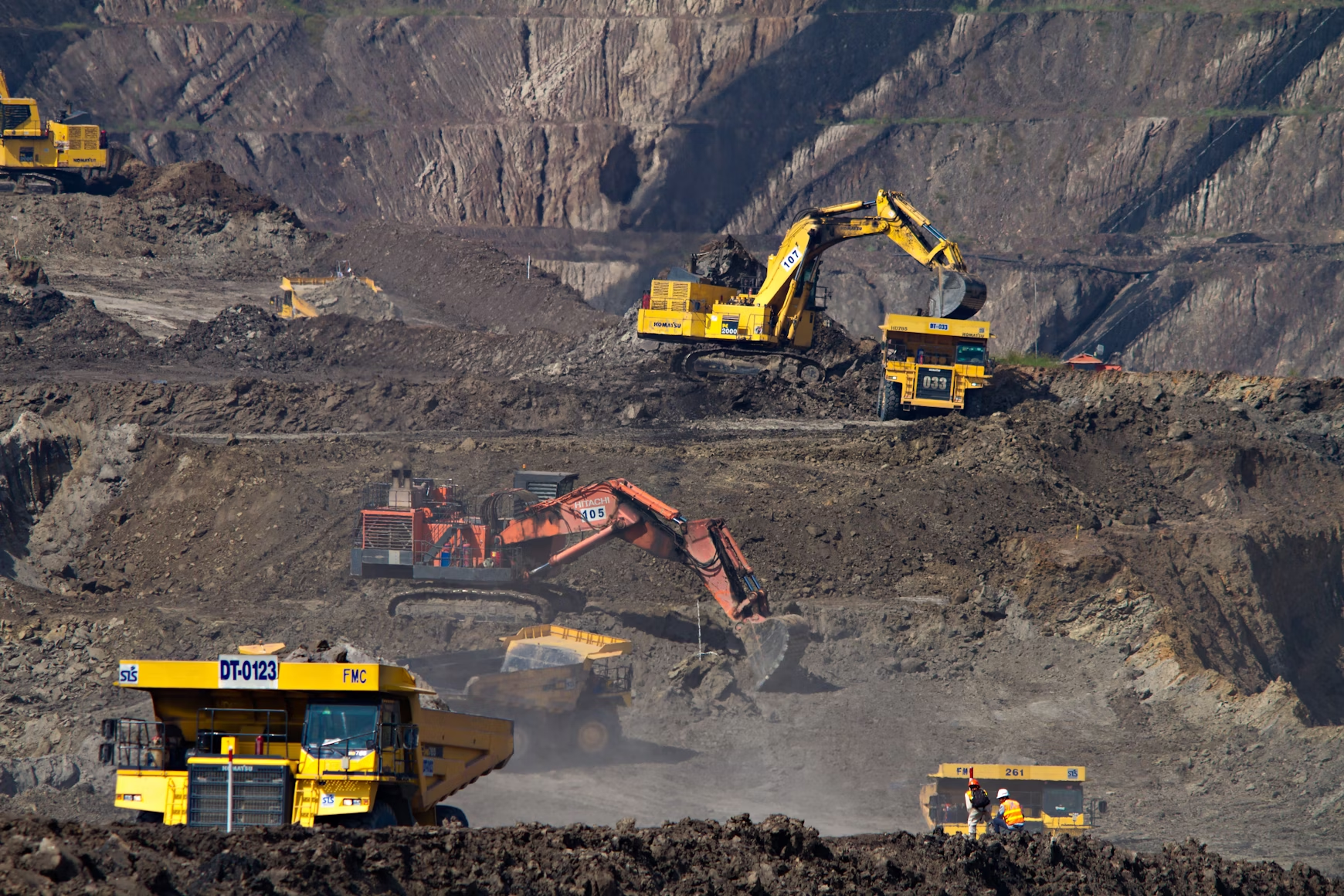
The drive for rare earth independence is both economic and strategic. The United States–Australia rare earth partnership aims to secure critical mineral supplies through transparent, sustainable mining and refining. The U.S. is also strengthening cooperation with Canada, Japan, and the European Union to build a resilient global supply chain.
The White House has announced several initiatives to support American companies developing mineral processing technologies. These efforts include grants for domestic extraction and recycling, as well as federal contracts for defense-related materials.
At the same time, sustainability is becoming a core priority. Research from the Columbia Climate School highlights the environmental challenges associated with rare earth mining. The report urges policymakers to balance growing demand with responsible extraction, focusing on recycling and cleaner production methods to prevent new environmental crises.
Economic Power and National Security
Rare earth elements are as vital to national security as they are to economic growth. They are key components in precision-guided missiles, jet propulsion systems, radar, and communication satellites.
The Department of Defense’s Strategic and Critical Materials Report lists rare earths as essential to maintaining U.S. military readiness. In response, the Pentagon has begun funding contracts for domestic production and supply diversification, recognizing that technological superiority depends on consistent access to these materials.
At the same time, private companies are partnering with government agencies to explore new ways to extract, refine, and recycle rare earths safely within the United States. These public-private initiatives mark a shift toward strategic autonomy in critical mineral supply chains.
The Road Ahead — Innovation and Sustainability
The future of rare earth production depends on innovation. The U.S. is investing in advanced recycling programs and low-emission mining techniques to make extraction more efficient and environmentally responsible. Research continues into recovering rare earths from mine tailings, coal ash, and electronic waste, reducing dependence on new mining sites.
The Department of Energy and major universities are leading projects to develop solvent-free extraction methods. These innovations could help the U.S. and its allies expand access to materials needed for the global energy transition without worsening ecological impacts.
According to the Columbia Climate School, securing rare earths sustainably will determine how quickly nations can meet renewable energy goals. Without responsible sourcing, the world risks replacing one dependency—oil—with another.
References
Sky News. U.S.-Australia Rare Earth Deal Targets China’s Stronghold.
U.S. Geological Survey. Rare Earths Statistics and Information.
Columbia Climate School. The Energy Transition Will Need More Rare Earth Elements. Can We Secure Them Sustainably?

- A Supreme Court Case You Probably Missed Could Open the Door to a Lot More Election Lawsuits - October 9, 2026
- Dark Money Is Pouring Into the 2026 Midterms. Here Are Five Myths About How It Actually Works - September 21, 2026
- The Supreme Court Just Blocked Trump’s Mail Ballot Restrictions. Here’s What That Means - September 17, 2026