

As an entrepreneur planning a medical marijuana business in the United States, you face one of the most regulated yet fastest-growing industries. On April 23, 2026, the U.S. Department of Justice moved qualifying medical marijuana products into Schedule III, and the DEA registration portal opens April 29 at 9 AM ET. This creates real federal protections and tax relief for state-licensed operators.
You need clear answers before committing capital: Is it federally legal? What will it actually cost? How do you navigate dual federal-state rules? What risks could sink your investment? This guide delivers the practical intelligence you need to decide whether — and how — to move forward in the medical cannabis industry U.S.
Why the Timing Matters for Your Business Plan
The medical marijuana rescheduling United States ends decades of Schedule I barriers that blocked normal deductions and scared off traditional lenders. Schedule III recognizes accepted medical use with moderate dependence risk, aligning federal marijuana business regulations U.S. closer to state reality.
For you as a prospective owner, this means:
Immediate eligibility for ordinary business expense deductions.
Stronger position for banking relationships and investment.
Reduced federal enforcement risk for compliant operations.
Yet recreational cannabis remains excluded, and full federal legalization still requires Congress. You must build your model around medical programs only unless you plan strict separation.
Historical Barriers You Must Understand Before Investing
Since 1970, Schedule I classification treated marijuana like heroin for regulatory purposes, creating massive friction for any medical marijuana business in the United States. According to the Congressional Research Service in R44782 you could operate legally in your state but face federal tax rates over 70% due to IRC Section 280E, cash-only banking, and constant legal uncertainty.
Scientific evidence changed the landscape. A comprehensive patient survey in Medical Marijuana and Regulatory Frameworks Study documented clear therapeutic benefits for chronic pain, nausea, and neurological conditions. Forty states plus territories and D.C. now run medical cannabis programs, generating tax revenue and jobs while highlighting the federal-state policy gap.
The Trump administration’s December 2025 research executive order and the April 2026 rescheduling represent a pragmatic U.S. marijuana policy change. Understanding this history helps you anticipate future shifts tied to election updates in the US.
How to Start a Medical Marijuana Business in the United States: Step-by-Step
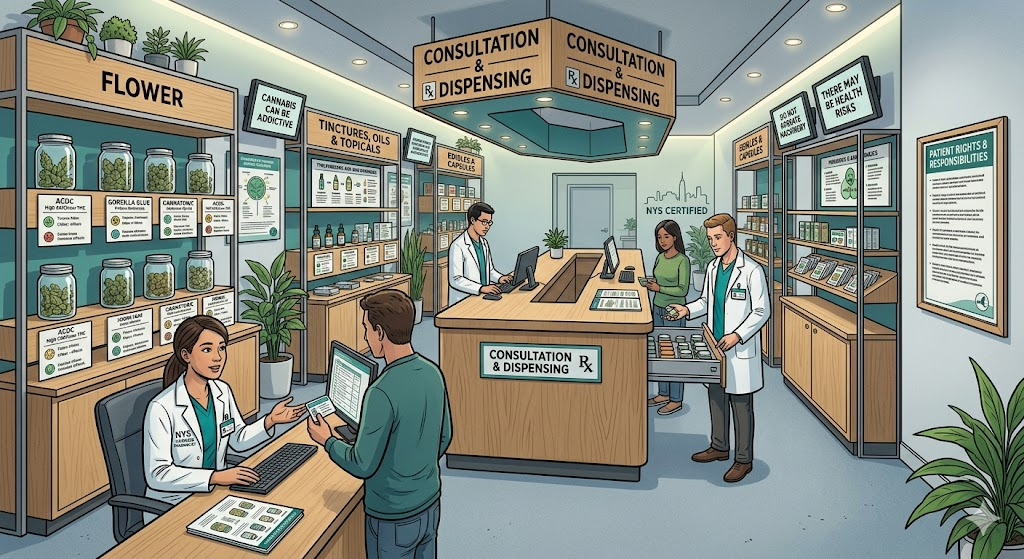
Step 1: Choose Your State Carefully Research the 40 medical cannabis states for license availability, application fees, caps, and equity programs. Mature markets like California or Colorado offer established demand but high competition and saturation. Emerging or limited-license states may provide better entry points. Factor in local taxes, testing requirements, and facility zoning.
Step 2: Secure State Licensing Each state has unique scoring criteria, background checks, and capital requirements. Budget $50,000–$500,000+ for application and initial compliance, depending on the state and license type (cultivation, processing, retail, or vertically integrated).
Step 3: Prepare for DEA Cannabis Registration The portal opens April 29, 2026. State credentials count as strong evidence of authorization. Submit within the first 60 days for priority review (target: six months). You can operate under state rules during review.
Required Documentation Checklist:
Detailed security plan (vaults, 24/7 surveillance, alarms, restricted access).
Inventory tracking system capable of real-time federal audit.
Supplier agreements and quality control protocols.
Full personnel background checks and criminal history disclosures.
Ownership structure, financials, and proof of no prohibited recreational overlap.
$794 annual registration fee (PayPal accepted now).
A federal purchaser mechanism handles international treaty obligations via nominal transactions.
What DEA Registration Means for Your Cannabis Business Finances
This is often the make-or-break factor. Once registered, you escape Section 280E. You can deduct rent, salaries, marketing, utilities, and depreciation, potentially cutting your effective tax rate dramatically. Treasury and IRS guidance is expected soon, with possible retroactive relief.
Improved banking access reduces cash-handling risks and insurance costs. Investors view Schedule III status as de-risking, making capital raises easier. However, you still face standard corporate taxes and must maintain meticulous records.
Requirements for Medical Marijuana Business in the U.S.: Cost Realities
Expect significant upfront capital:
Facility build-out and security: $200,000–$2 million+.
Inventory, testing, and compliance systems: $100,000–$500,000.
Professional fees (attorneys, accountants, consultants): $50,000–$150,000 first year.
Working capital for 6–12 months of operations.
Ongoing costs include annual DEA fees, state renewals, testing, and staff training. Smaller operators often struggle with these burdens — consider partnerships or targeted equity programs.
Impact of Marijuana Rescheduling on Cannabis Businesses: Risks vs Rewards
Rewards:
Tax savings that improve cash flow and profitability.
Greater legitimacy attracting talent, suppliers, and customers.
Stronger legal footing for patient protections and anti-discrimination claims.
Risks You Must Quantify:
Compliance violations can trigger federal denial or revocation.
Dual medical-recreational operations require ironclad separation.
Market volatility from oversupply or new state entrants.
Potential legal challenges to rescheduling or changes after future elections.
International treaty obligations add another compliance layer you cannot ignore.
Political Context and Election Updates in the US You Cannot Ignore
Cannabis remains a voter favorite. The current rescheduling reflects executive responsiveness to public demand. Election updates in the US in 2026 and beyond will shape your operating environment through new state measures, possible Congressional banking bills, or shifts in federal enforcement priorities.
Monitor ballot initiatives and candidate positions. A business model resilient to policy swings, focused on medical quality and compliance — offers the best protection.
Governance and Long-Term Industry Outlook
This administrative shift demonstrates federalism working: states innovate, federal policy adapts. Transparent DEA marijuana application process implementation and equitable access will build public confidence. For you, aligning with patient-centered, high-compliance operations positions your medical marijuana business in the United States for sustainability amid evolving federal marijuana business regulations U.S.
Your Action Timeline and Final Decision Framework
Immediate (This Week):
Research target states and license availability.
Assemble your legal and accounting team.
Begin gathering ownership and background documentation.
April–June 2026:
Submit DEA application during priority window.
Finalize state applications and facility plans.
Ongoing:
Track tax guidance, state rule changes, and election updates in the US.
Before signing leases or raising capital, run detailed financial projections under both old and new tax rules. Stress-test against regulatory delays or market downturns. Consult professionals who specialize in cannabis — generic advisors often underestimate the complexity.
Tax Relief and Financial Impact of Marijuana Rescheduling
This is often the biggest near-term win. Removal of Section 280E restrictions lets you deduct rent, payroll, marketing, utilities, and depreciation. Effective tax rates that previously exceeded 70% in some cases can drop substantially. Improved banking access lowers insurance and security costs while making capital raises easier.
Run projections under both old and new rules. Factor in standard corporate taxes that still apply.
Significance for You as a Prospective Owner
Planning a medical marijuana business in the United States now offers a genuine window of opportunity created by medical marijuana rescheduling United States and DEA cannabis registration. The move from cannabis Schedule I vs Schedule III delivers measurable tax relief, federal legitimacy, and operational stability that simply did not exist before.
Yet this remains a high-risk, high-reward industry. Success belongs to owners who treat compliance as a core competency, respect federal-state tensions, and stay attuned to democratic signals reflected in elections. With careful planning, rigorous execution, and ongoing policy monitoring, you can build a viable, compliant, and potentially profitable enterprise that serves patients while navigating the complexities of U.S. governance.
Cannabis businesses operate under strict federal rules, similar to other regulated industries. Understanding compliance is key to accessing benefits and avoiding penalties. For another example, read Are You Qualified for a Tariff Refund? A Clear Guide to the System, which explains how businesses navigate federal requirements to recover costs
References:
U.S. Department of Justice. Justice Department Places FDA-Approved Marijuana Products and Products Containing Marijuana
National Institutes of Health. Medical Marijuana and Regulatory Frameworks Study
American University Washington College of Law. Legal Analysis of Cannabis Regulation
Congressional Research Service. R44782
National Conference of State Legislatures. State Medical Cannabis Laws

- A Supreme Court Case You Probably Missed Could Open the Door to a Lot More Election Lawsuits - October 9, 2026
- Dark Money Is Pouring Into the 2026 Midterms. Here Are Five Myths About How It Actually Works - September 21, 2026
- The Supreme Court Just Blocked Trump’s Mail Ballot Restrictions. Here’s What That Means - September 17, 2026